
Spot Cancer Nerve Damage Early
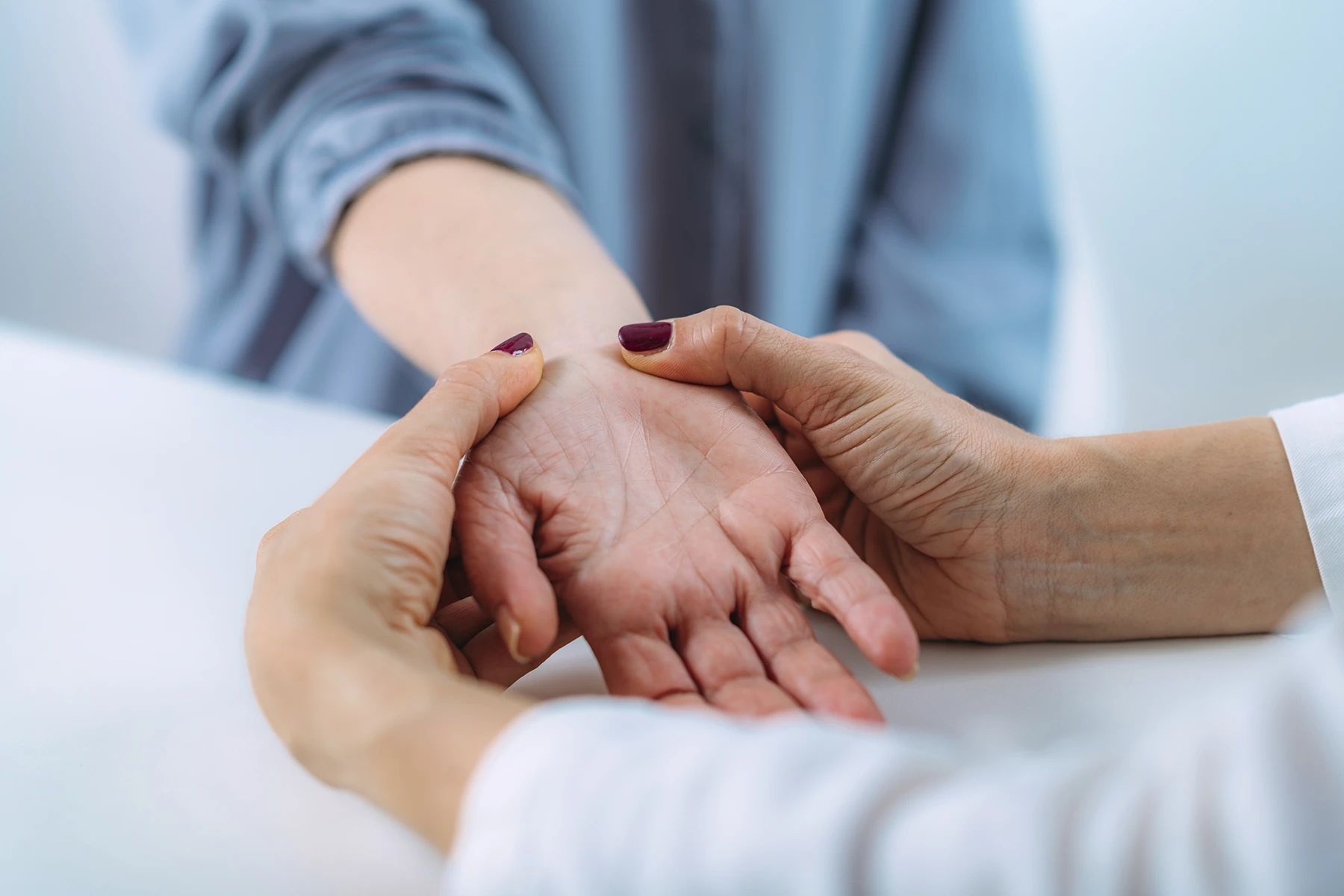
Of all the cancer side effects, tingling that starts in your fingers or toes might not rank high on your list of concerns. This tingling, which might also come in the form of numbness or pain, is common with certain cancer treatments and absolutely is a concern to raise with your oncologist. Neuropathy that starts out as minor can intensify and even become permanent if left untreated.
Peripheral neuropathy is typically associated with diabetes, but it’s also a common nerve injury during or after some chemotherapy treatments. It might start as numbness in your fingers or toes. It might feel like tingling, burning or electric shocks in your hands and feet. Over time, the sensations can worsen and even affect your balance and fine motor skills.
“If neuropathy progresses, it can become irreversible, so the earlier and the milder the symptoms that we start an intervention, the better,” says Ruham Nasany, M.D., an oncologist and neurologist at Sylvester Comprehensive Cancer Center, part of UHealth – University of Miami Health System.
The good news is you don’t have to just live with neuropathy. “If you catch it earlier, we’re more likely to be able to reverse it by adjusting your chemo medications,” says Dr. Nasany.
What causes neuropathy?
Peripheral neuropathy is damage to nerves that can result from injury, illness or medication. In the case of cancer patients, some chemotherapy agents have a toxic effect on the nerves. It’s a more common side effect of older, conventional chemotherapy agents that affect your body more broadly.
Peripheral nerves are long, thin cells that act like electrical wires, carrying signals between your brain and spinal cord (central nervous system) to the rest of your body.
As chemotherapy treatments attack cancer cells, your nerves can become innocent bystanders. The chemo can interfere with how they send electrical signals. Nerves to your feet and hands are the longest, so they’re usually affected first. “All these chemo agents are highly successful in treating cancer, but the flip side is that some of these treatments have neurotoxic effects, cause inflammation and can damage the nerves,” says Frank Penedo, Ph.D., director of the Sylvester Cancer Survivorship and Supportive Care Institute.
Beyond direct damage, chemotherapy can also cause inflammation and the release of chemicals that can make you more sensitive to pain. This is why neuropathy may feel burning, electric or painful –– not just numb.
Report your symptoms early
In the early stages of neuropathy, your nerves can repair very slowly, as long as the damage doesn’t become so severe that the nerve cells die. A nerve can recover from a bruise, but not from being repeatedly crushed. “If you attack the nerve again and again, eventually the damage can become irreversible,” says Dr. Nasany.
However, it’s not uncommon for people to overlook sensations that might be neuropathy –– either out of hesitation to interfere with cancer treatment, or because it seems like a minor nuisance compared to other side effects. “Sometimes patients come in so focused on their blood-work results and disease activity, that they may overlook early symptoms of neuropathy, which if left untreated, can eventually get worse and impact multiple aspects of their quality of life,” says Dr. Penedo.
Early reporting can make a meaningful difference in your quality of life both during cancer treatment and beyond. “Patients sometimes don’t want to tell their provider out of fear that their cancer treatment would have to be discontinued, but there are many things we can do as a team to help them while still treating their cancer,” says Dr. Nasany.
A hidden red flag: balance problems
Neuropathy doesn’t always announce itself with pain. Dr. Nasany commonly sees people walking unsteadily or with a wider gait, an indication of sensory loss in the feet. “When your feet can’t give your brain feedback about your position, your body compensates in different ways to attempt to decrease your fall risk,” she says.
Besides considering dose changes or alternative treatments when appropriate, rehabilitation therapy can help improve symptoms of neuropathy that affect your ability to perform daily tasks. This may include:
- Physical therapy, such as exercises focused on gait and balance
- Occupational therapy for hand function and daily tasks
How to diagnose neuropathy
If you suspect you have neuropathy, your doctor will start by asking about your symptoms and performing a general physical exam. In many instances, this will be enough to establish the diagnosis and start treatment right away. Sometimes, however, additional tests might be needed either to confirm your neuropathy or to rule out other causes of your symptoms.
These additional tests may include:
Nerve function tests
Electromyography uses a probe to record how well your nerves transport needed signals between your spine and muscles. Delays or interruptions in the signal conductance suggest nerve damage.
MRI or CT scan
Imaging scans are used to look for herniated disks, tumors or other abnormalities that can cause similar symptoms to neuropathy.
How we treat cancer-related neuropathy
In its early stages, there are many ways to treat neuropathy from cancer. This may include calibrating your treatment by adjusting the medication itself, your dosing, or your timing. Treatment also includes physical and occupational therapy if you’re experiencing weakness or a decreased ability to perform daily tasks. Patients sometimes do not want to tell their provider because they’re afraid it’s going to mess with their medications.”
“We want to manage their cancer and their quality of life. There are many things we can do as a team to get the best outcomes possible,” says Dr. Nasany.
In a recent case, a patient used a wheelchair because she was too wobbly to walk on her own. After adjusting her treatment regimen alongside physical therapy, she was able to walk and regain independence, like doing her own shopping.
When Dr. Penedo assesses someone for pain, he encourages people not to discount any level of discomfort. Even those with permanent neuropathy that’s difficult to treat with medication can find some relief from treatments at UHealth. “Research shows that practices like yoga, tai chi, relaxation and meditation can be effective in alleviating pain sensitivity and impairment,” says Dr. Penedo.
Supportive care services at Sylvester include multiple integrative care options to address pain in general, including neuropathy. These can include:
- Acupuncture
- Massage therapy
- Art and music therapy
- Yoga therapy
- Tai chi
- Mindfulness practices
- Exercise physiology
- Nutrition and lifestyle medicine support
- Rehabilitation services
“The goal is to help people find options that are both effective and appealing because it’s not a one-size-fits-all,” says Dr. Penedo.
Act Early: Don’t Ignore Cancer Nerve Damage
Let your oncology team know if you notice:
- New numbness, tingling, burning or pain in your hands or feet
- Sensitivity to cold or touch
- Increasing symptoms that move upward (to ankles, shins, or higher)
- Trouble with fine motor skills
- Unsteadiness or falls
Your care team has numerous options to decrease and even reverse your discomfort. “You should not be living with pain. Speak up about any level of discomfort because we have treatments that can help,” says Dr. Penedo.
Written by Wendy Margolin.
Tags: Cancer pain management options, Cancer treatment side effect awareness, Chemotherapy-induced neuropathy prevention, Dr. Frank Penedo, Dr. Ruham Nasany, Sylvester Comprehensive Cancer Center

