
Autoimmune Hepatitis: Meet the Liver Disease You’ve Never Heard Of
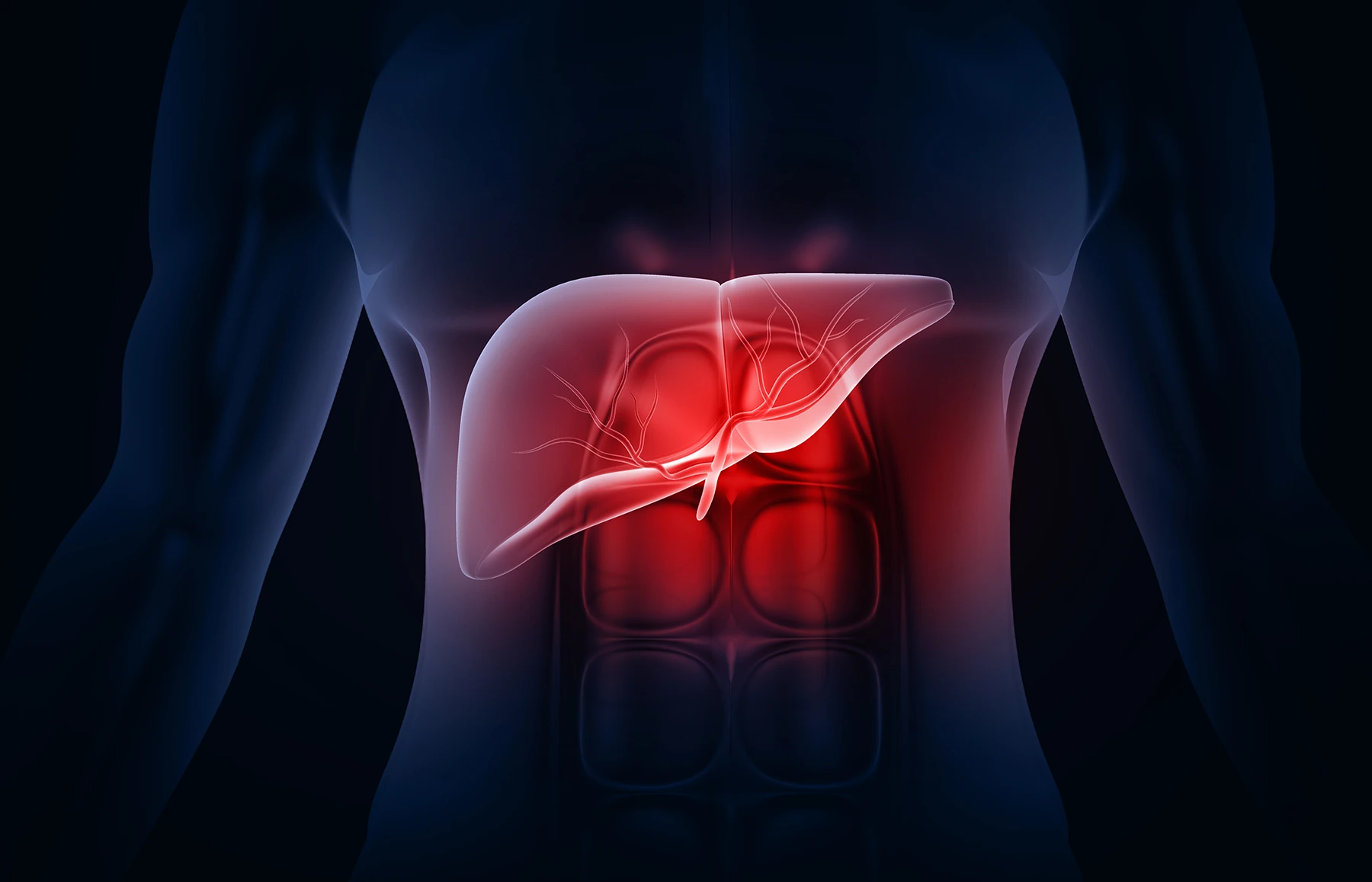
For most of us, our knowledge of hepatitis is limited to those identified by a letter. But in addition to the six main types of viral hepatitis — the most common ones being A, B and C — there is a form of liver disease that is not caused by an infection but by the immune system mistakenly attacking the liver.
Unlike the other letter-stamped cases of hepatitis, autoimmune hepatitis (AIH) is not contagious, and rather than receiving antiviral treatment, patients require immune suppression care, usually for a lifetime.
Why is autoimmune hepatitis so often missed?
“There is a significant lack of awareness about AIH,” says Cynthia Levy, M.D., a hepatologist for the University of Miami Health System. “As with many rare diseases, it often goes unnoticed until patients develop more advanced symptoms.”
An estimated 100,000 Americans are living with autoimmune hepatitis, according to a 2023 epidemiology study co-authored by Dr. Levy and published in the journal Hepatology.
Studies show AIH is more common in North America and Northern Europe but less so among Asian and African populations, though some of that discrepancy may have to do with healthcare access and lack of properly designed studies. AIH may manifest itself at any age, but it is more often diagnosed in teenagers and older people.
Women are three times more likely than men to be diagnosed with AIH.
“We don’t know for sure why more women than men develop these autoimmune disorders, but there are a lot of theories,” says Dr. Levy, who is the Arthur Hertz Endowed Chair in Liver Diseases and also serves as the associate director of UHealth’s Schiff Center for Liver Diseases.
Experts believe that reasons are multifactorial, including genetic, hormonal and immunological factors. Estrogen, for example, helps women fight infections more effectively because it amplifies the work of T and B lymphocytes (immune cells). Yet, this enhanced response can increase the chances of the immune system attacking the body’s own tissues – including cells in the liver.
In fact, while AIH is “very tricky” to diagnose, a patient with a first-degree relative with an autoimmune disorder — including lupus, rheumatoid arthritis, Type 1 Diabetes, thyroid disease, celiac disease — or a patient with an autoimmune disorder raises an immediate red flag for Dr. Levy when she is evaluating the unexplained elevation in liver enzymes. As many as 45% of AIH patients present with at least one additional autoimmune condition.
While the exact cause of AIH is not known, hepatologists like Dr. Levy, who has been recognized as a fellow by the prestigious American Association for the Study of Liver Diseases and the Gastroenterological Association, theorize that medications and environmental factors — viruses that cause mononucleosis and Parvovirus, for instance — may trigger the disease in genetically prone individuals.
AIH symptoms vary widely.
About one third of Dr. Levy’s patients “show no symptoms whatsoever,” though their bloodwork may point to elevated liver enzymes. Another third may have general symptoms that don’t necessarily point to one particular disease. These include extreme fatigue, abdominal pain or joint pain. Fewer than 20% show acute signs of liver dysfunction.
To arrive at a diagnosis, Dr. Levy will take a patient’s medical history, order blood tests, and perform a liver biopsy. Treatment consists of corticosteroids to reduce liver inflammation in conjunction with immunosuppressants.
“When we start treatment, our goal is to induce remission, hopefully within the first six months,” she adds. (This means normal liver enzyme levels and no active inflammation in the liver.) “After two to three years in remission, we can sometimes consider withdrawing immunosuppression if the liver biopsy shows complete resolution of that inflammatory process.” Patients can then stop treatment, but must continue under regular medical supervision.
However, not all patients respond well to treatment, and some may present with severe liver failure, even liver cancer. In such cases, a liver transplant may be necessary.
Researchers are looking to improve long-term outcomes by testing new drugs and medications and uncovering the cellular and genetic drivers of the disease. At the Schiff Center for Liver Diseases, Dr. Levy’s research focuses on the development of new immunosuppressive regimens for autoimmune hepatitis and collaborations with international studies on AIH phenotypes.
To explore opportunities to participate in ongoing or future clinical trials, visit the Schiff Center website.
Writetn by Ana Veciana Suarez. Medically reviewed by Cynthia Levy, M.D.
Resources
https://www.journal-of-hepatology.eu/article/S0168-8278%2825%2900173-4/fulltext
https://med.miami.edu/centers-and-institutes/schiff-center-for-liver-diseases/research
Tags: Dr. Cynthia Levy, Immune system disorders, Liver autoimmunity, Non-viral hepatitis, Rare liver conditions

