
Earwax Explained: Your Hearing Health’s Unsung Hero
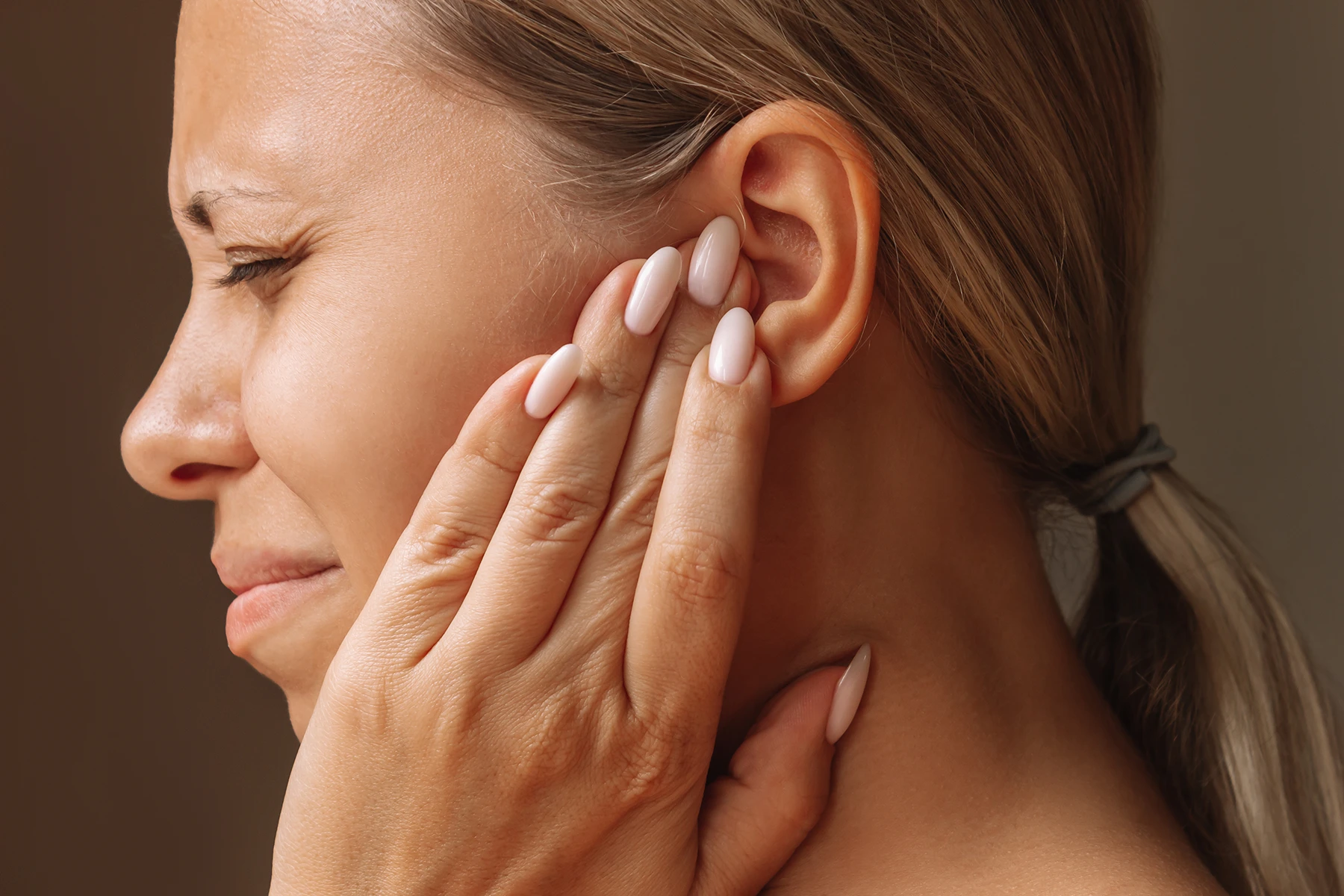
Sometimes it has served as the butt of jokes or elicited a disgusted grimace, but earwax is more than bodily gunk. It protects our ears from outside interference and possible infection from dust, bacteria and even bugs.
Also known as cerumen, earwax is made up of dead skin cells shed by the outer ear and from oils produced by various glands. In addition to protecting against infection, it also keeps our ears clean and lubricated. Hilary Steele, AuD, an audiologist with the University of Miami Health System, calls it a “self-cleaning mechanism” in which the ear canal cleans itself from the inside out (from the eardrum to the opening of the ear canal).
Though it serves a universal function, not everyone has the same kind of earwax. Researchers, for example, have discovered that genetics — namely, a gene called ABCC11 — determines if you have “wet” or “dry” earwax. (That gene also influences another trait, body odor.) Those of African and European descent tend to have wetter, thicker and stickier earwax, while East Asian populations have lighter and flakier earwax.
Either way, “the wax itself is not harmful,” Dr. Steele says. “Almost everyone produces earwax, but it can be an annoyance if we have too much of it.”
About 1 in 10 children and 1 in 20 adults — millions of people worldwide — will experience earwax buildup or impaction.
The risk of excessive earwax is higher for certain populations, particularly those over 30% of seniors who report it.
However, experts believe that a 30% rate may be on the low end for seniors. According to the American Academy of Otolaryngology-Head and Neck Surgery Foundation, as many as two-thirds of nursing home residents suffer from earwax impaction, when earwax blocks the ear canal.
This is due to a variety of reasons, primarily the increased use of hearing aids and natural age-related changes that cause the earwax to dry up. Hearing aids can hinder your ear’s natural ability to clear wax buildup by blocking the ear canal. This also happens with the frequent use of earbuds.
Certain skin conditions (psoriasis or eczema) can also reduce the ear’s self-cleaning mechanism, she says. What’s more, the shape of your ear canal can make it more difficult for the earwax to migrate out.
Regardless of the cause, normal earwax buildup is more of an irritation than a true health concern.
“You have to have real sustained buildup to have substantial hearing loss,” Dr. Steele says. “Usually, it has more of a muffling effect.”
That said, if that muffling effect doesn’t go away, Dr. Steele suggests seeking medical care to determine if you have an ear infection or another condition. People should be on the lookout for more serious symptoms, such as persistent ear pain or discomfort, a yellow, white, or bloody discharge, itching or swelling, dizziness or balance issues, a strange odor and/or hearing loss.
“When these are persistent, you can’t assume it’s earwax or not, so it’s best to seek the help of a medical professional,” she adds.
Most of us won’t experience such a scary situation, but Dr. Steele offers suggestions to keep our precious hearing organs as clean as possible:
- Avoid using cotton swabs. Not only can you irritate the delicate skin in your ear, but you can also end up pushing earwax deeper into your ear. “You end up disrupting the normal migration outward,” Steele says. Swabs should only be used in the very outer part of your ear and kept away from your ear canal.
- Use a damp washcloth wrapped around your finger to clean if you can’t resist poking around. But again, use it only around your outer ear.
- Try over-the-counter ear drops, but these should be used occasionally and only on a healthy ear. “Frequent use can lead to drying up the ear, and that will only make things worse,” Steele says.
- Don’t use “tools” such as tiny brushes or picks to scrape or scoop wax from your ears. About a year ago, viral TikTok videos on earwax removal featured trendy methods such as ear candling — inserting a hollow, cone-shaped candle into the ear canal and lighting it — and camera-equipped cleaning tools that alarmed experts. Not only are these methods misleading, but they can be dangerous, too, leading to severe consequences. “I’ve seen cases of burns and permanent hearing loss,” Steele says. “This [earwax removal] is something you leave to the professionals. You should never do it on your own.”
- Consult an audiologist or otolaryngologist (ear, nose and throat specialist) if you’re elderly, wear hearing aids or have a condition that may lead to overproduction of earwax. They can determine if you need your cerumen professionally removed or set up a maintenance/management schedule.
Written by Ana Veciana-Suárez, a regular contributor to the University of Miami Health System. She is an acclaimed author and journalist who has worked for The Miami Herald, The Miami News, and The Palm Beach Post.
Sources
https://academic.oup.com/mbe/article/28/1/849/987325
https://www.entnet.org/resource/aao-hnsf-updated-cpg-earwax-press-release
https://journals.sagepub.com/doi/full/10.1177/0194599816671491
Tags: Dr. Hilary Steele, Ear cleaning methods, Earwax removal, Impacted earwax, Symptoms of earwax buildup

