Heart-Healthy Eating Made Simple
Small changes to your diet that lower your risk of heart disease
By now, the basic tenets of heart-healthy eating are fairly well-established. According to the American Heart Association, some key tenets include lean sources of protein, plenty of fruits and vegetables, whole grains, and fewer processed foods with less salt and sugar, among other healthy habits.
The most important factor, says Evelyn L. Victoria, R.D.N., L.D.N., CNSC, a clinical dietitian specializing in cardiology with the University of Miami Health System, is to incorporate these foods into your diet in a way that is lasting and sustainable.
“So often, we try to go from 0 to 100, and it’s just not realistic,” she says. “If you put in too much effort without realistic goals, then the result can be burnout.
“People need to realize that healthy eating is a marathon, not a sprint.”
Make gradual heart-healthy changes
To that end, Victoria recommends focusing on making gradual changes, rather than aiming for perfection right away. For example, many people can make a big difference by just replacing soda or other beverages with more water. If the only vegetable you eat on a regular basis is lettuce, try incorporating more fresh, delicious options like fresh bell peppers, berries or beans for added fiber.
“With my patients, I try to focus not on what they have to limit, but what they can add to improve their heart health,” she says. “This helps them realize that healthy habits don’t have to be restrictive. They can open a lot of possibilities.”
Swap good for bad
To that end, the American Heart Association has several simple alternatives to typical American foods that can make a big difference for your heart health. For example, you can try the following to make your meals better for your heart with the same (or more) delicious flavor:
- Try snacking on a small handful of nuts instead of chips or crackers.
- Use low-fat Greek yogurt instead of cream for baking, soups, or other dishes, and use it in place of sour cream on baked potatoes.
- Try quinoa or whole grain rice instead of white rice as a side dish.
Victoria frequently recommends simple ways to increase fiber intake.
According to Harvard Health, fiber has a number of proven heart-healthy benefits, including reducing inflammation and helping people feel fuller for longer on fewer calories. Several major studies through the years have shown that fiber-rich diets may reduce the risk of heart attack or stroke by up to 30%.
To get more fiber, Victoria has three key food recommendations:
Chia seeds
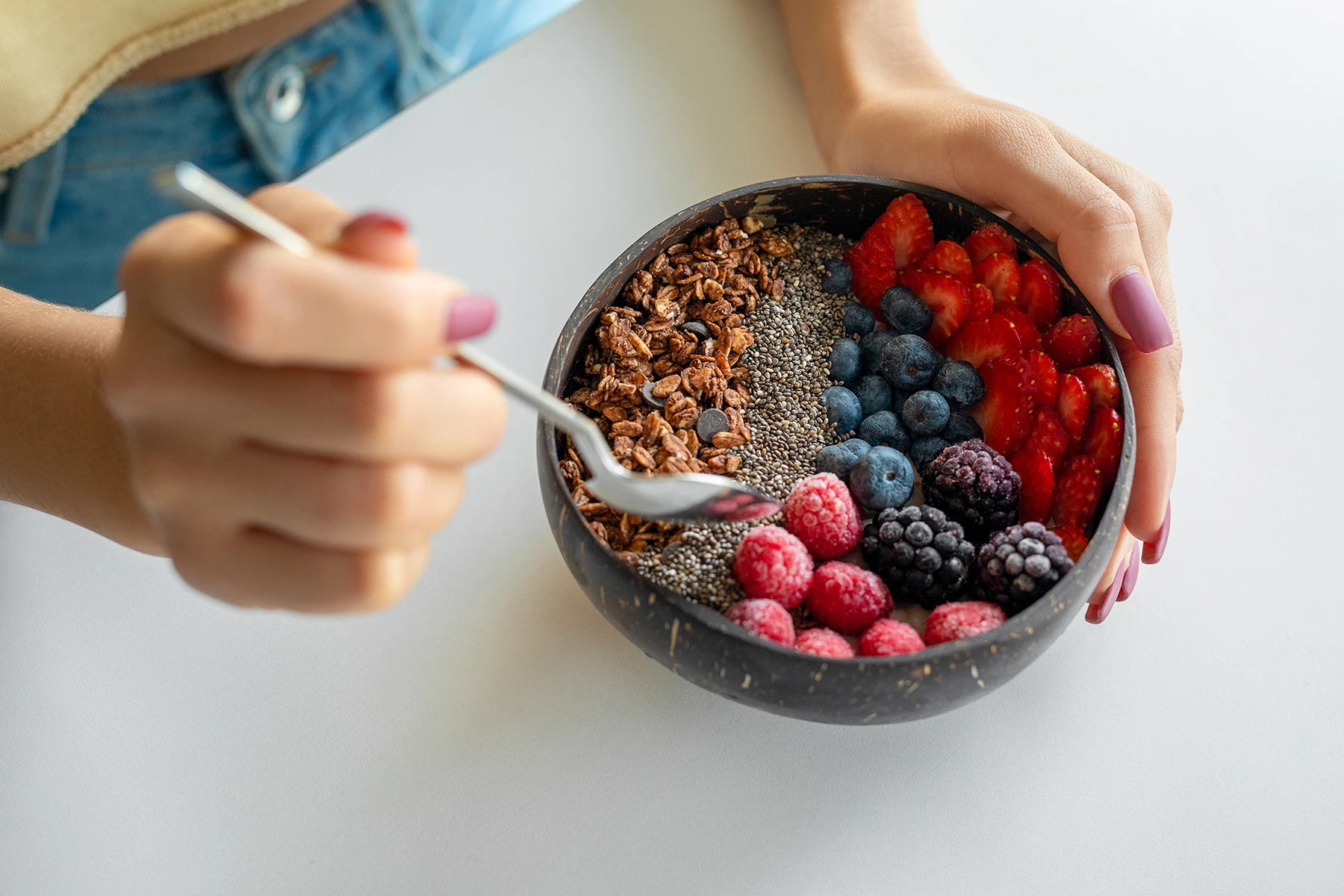
With almost 10 grams of dietary fiber in 2-3 tablespoons, chia seeds pack a major nutritional punch in a small package. That’s not to mention that they’re also a good source of protein, omega-3 fatty acids, and antioxidants. You don’t want to eat them raw, but Victoria says they’re easy to mix with milk, smoothies, cereal, yogurt, oatmeal, or other dishes. You can buy them in bulk at the “big box” stores.
Oats
By making steel-cut oats (rather than the instant kind) a regular part of your diet, you can go a long way toward improving your heart health. One of the easiest ways to prepare them is to make “overnight oats” that you refrigerate overnight and eat the next morning. Add some fruit, maple syrup, brown sugar, cinnamon or yogurt for a touch of sweetness. Of course, you can always prepare them the old-fashioned way, too.
Beans
Few foods offer an easier and less expensive way to introduce healthy fiber and protein into your diet than beans. For ease of preparation, Victoria says that canned beans are totally acceptable.
“You can choose the low-sodium varieties and rinse them in water to remove even more salt,” she says.
She’s a big fan of cannellini (navy) beans, which don’t have a strong flavor and can be blended into sauces or added to soups without altering the flavor too much.
A note on alcohol
While the overall advice on a heart-healthy diet has remained consistent for a while now, one notable change is the advice on alcohol. Moderate consumption (1-2 drinks a day) used to be considered heart-healthy, especially specific drinks like red wine, but we now know that the risks of alcohol consumption outweigh any potential benefits to your heart.
For that reason, the general advice now is not to start drinking if you don’t drink already, and to limit your consumption as much as possible if you are a drinker. [6] “If a person isn’t ready to give it up completely, just be aware of the impact,” says Victoria. “The primary goal is to improve your quality of life, so it’s important to be mindful of serving sizes and try to limit them as much as possible.”
Putting it all together
While nutrition is a critical component in a heart-healthy lifestyle, Victoria says it’s just one of many things you should be doing each day that can make a difference for your health.
“Diet is part of it, but small changes to other parts of your life can make a big difference,” she says. “Even if you’re not the biggest exerciser, it’s important to get up and move throughout the day, take the stairs, or park further away from the grocery store to add some regular movement to your life. Little things like regular physical activity, sleep quality, and stress management can all make a big difference in your heart health.”
Written by Wyatt Myers.
Sources
1) The American Heart Association Diet and Lifestyle Recommendations, American Heart Association, 2024, https://www.heart.org/en/healthy-living/healthy-eating/eat-smart/nutrition-basics/aha-diet-and-lifestyle-recommendations
2) Interview with Evelyn L. Victoria, R.D.N., L.D.N., C.N.S.C., a clinical dietitian specializing in cardiology with the University of Miami Health System.
3) Deliciously Smart Swaps, American Heart Association, 2025, https://www.heart.org/en/-/media/Healthy-Living-Files/Healthy-Eating/Deliciously-Smart-Swaps.pdf?sc_lang=en
4) How a fiber-rich diet promotes heart health, Harvard Health Publishing, 2022, https://www.health.harvard.edu/heart-health/how-a-fiber-rich-diet-promotes-heart-health
5) Chia seed benefits: What you need to know, Harvard Health Publishing, 2024, https://www.health.harvard.edu/diet-and-nutrition/chia-seed-benefits-what-you-need-to-know
6) Is drinking alcohol part of a healthy lifestyle?, American Heart Association, 2025, https://www.heart.org/en/healthy-living/healthy-eating/eat-smart/nutrition-basics/alcohol-and-heart-health
Tags: Evelyn Victoria, foods to lower heart disease risk, heart-healthy diet tips, how to improve heart health naturally

