
Is It Okay That My Child Snores?
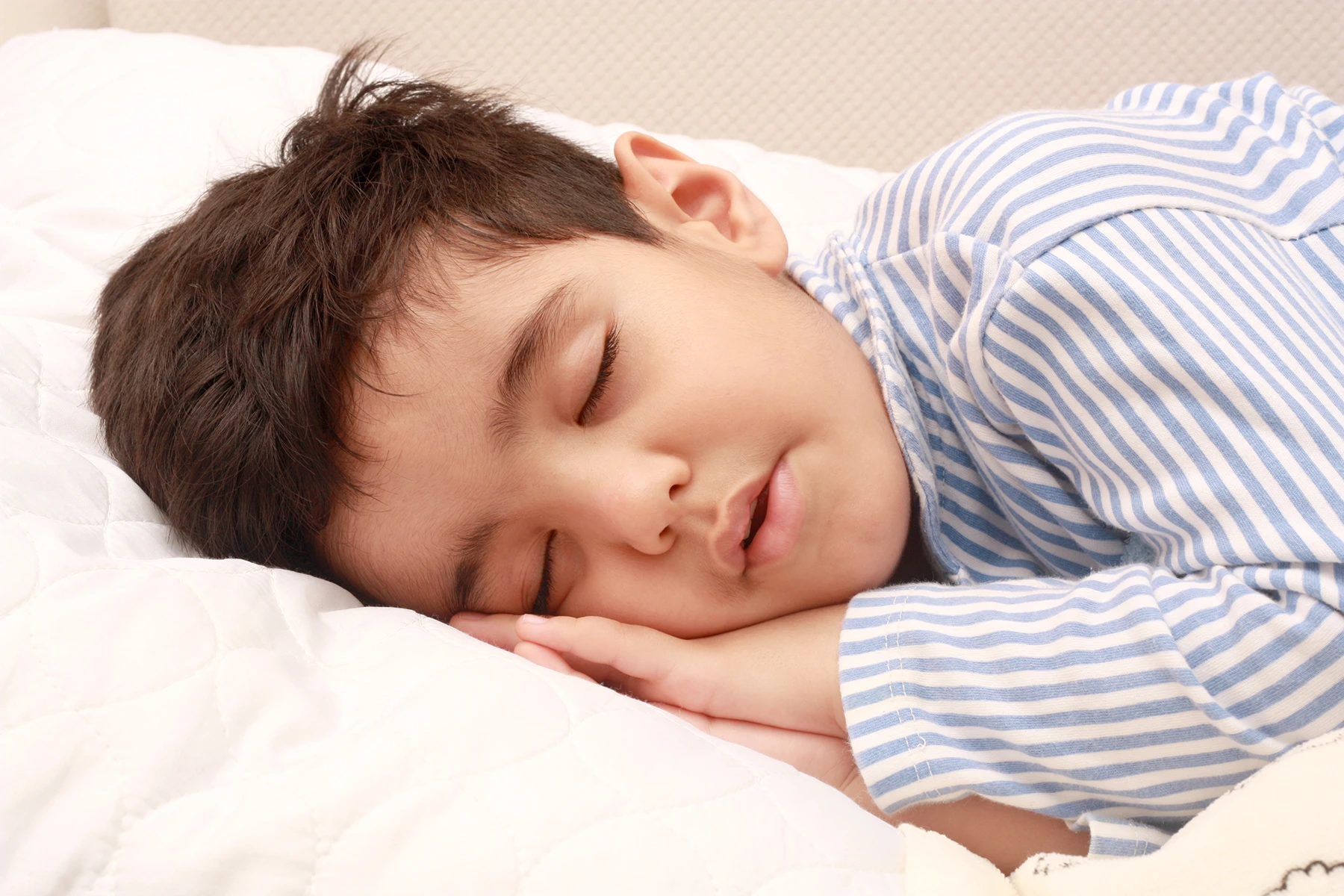
While snoring in children is entirely normal, it’s also a worthwhile concern to mention to your pediatrician or ear, nose and throat specialist (ENT). That’s because even mild, but habitual, snoring can be a sign of obstructed breathing.
“Occasional snoring from a cold or allergies often goes away, but snoring caused by enlarged tonsils or adenoids usually does not,” says Ramzi Younis, M.D., a pediatric otolaryngologist with the University of Miami Health System.
Dr. Younis explains why not all snoring is the same.
- Occasional snoring: About 20% to 30% of children periodically snore, such as during a cold or allergy flare-up.
- Habitual snoring: About 10% of children snore more than three nights a week
- Sleep apnea: About 3-5% of children who snore have obstructive sleep apnea, a medical condition that disrupts breathing during sleep.
Obstructive sleep apnea (OSA) can cause daytime drowsiness, mood swings and even impaired growth. “When children don’t reach deep sleep, their brain keeps waking them just enough to breathe, so they never get fully rested,” says Dr. Younis.
What causes children to snore?
Snoring occurs when air doesn’t pass freely through the airway due to a blockage in either the nose or throat.
Common causes include:
- Colds, allergies or viral infections that temporarily cause nasal swelling
- Enlarged tonsils and adenoids
- Nasal structures, such as a deviated septum
- Obesity that narrows the airway
- Rare polyps or other growths
Whatever the cause, air pushing through a smaller passage creates the noisy vibration you hear as snoring.
Do kids outgrow snoring?
Snoring can go away on its own, but not always. Temporary snoring caused by a cold or seasonal allergies typically resolves on its own. However, snoring caused by enlarged tonsils or adenoids typically doesn’t resolve without treatment.
Meanwhile, untreated sleep problems can have real consequences. “Untreated sleep apnea can affect learning, behavior, growth and even long-term cardiovascular health,” says Dr. Younis.
Signs that snoring affects your child’s health
The trick to determining whether your child’s snoring is a problem is to look for other symptoms, says Dr. Younis. If it’s just occasional, light snoring and your child has no other symptoms, it might not be an issue.
However, if your child is restless, snorts or gasps during sleep, these may be signs of obstructive sleep apnea.
Nighttime symptoms
- Loud, habitual snoring
- Mouth breathing
- Pauses in breathing or gasping
- Restless sleep or tossing around
A child with sleep apnea may have other warning signs and symptoms. “The daytime symptoms can look like behavioral problems, such as crankiness, hyperactivity and poor focus, but the root cause is poor sleep,” says Dr. Younis.
Daytime symptoms
- Irritability or crankiness
- Hyperactivity or difficulty focusing
- Daytime sleepiness
- Morning headaches
- Learning or behavioral challenges
What is sleep apnea?
Sleep apnea is a sleep disorder where a child’s breathing is wholly or partly blocked for short periods during sleep. As the child enters the deep phase of sleep, their muscles relax, including in the back of the throat. This collapse, combined with enlarged tonsils or adenoids, causes the child’s oxygen levels to drop.
“Your brain senses that and won’t allow you to suffocate. You’re going to stay sleeping, but your brain will drive you into a lighter phase of sleep,” says Dr. Younis.
Diagnosing obstructive sleep apnea in kids
An ENT diagnoses sleep apnea in children with a physical exam and by discussing the symptoms and behaviors you notice at home. This may include a video of your child sleeping. The gold standard to diagnose obstructive sleep apnea is a polysomnography sleep study, which is an overnight test measuring how your child breathes, sleeps and moves.
How to treat snoring caused by sleep apnea
The most common procedure to treat snoring is by surgically removing the tonsils or adenoids causing the obstruction –– a tonsillectomy, adenoidectomy or both.
This surgery:
- Typically takes about an hour
- Has a high success rate of around 90% in resolving snoring and sleep apnea
- Is one of the most common pediatric surgeries in the U.S.
- Rarely has complications. A small percentage of children may experience bleeding or temporary dehydration during recovery, but serious complications are rare.
“Most of the time, once we remove the tonsils and adenoids, kids’ mood, behavior and focus get better,” says Dr. Younis.
Because the benefits of the surgery so far outweigh the risks, a new study in JAMA Pediatrics finds that treating even mild sleep apnea benefits children, reducing their need for future doctor visits and prescriptions.
A simple surgery with big benefits
In his own practice, Dr. Younis regularly sees significant benefits from this relatively simple surgery. Countless exasperated parents don’t know why their kids aren’t gaining enough weight, are having trouble concentrating or are wetting the bed. “In most cases, the surgery makes their sleeping problems and related issues go away. Even children with mild snoring or mild sleep apnea show significant improvement in quality of life after treatment,” he says.
What’s the ideal age kids should have a tonsillectomy or adenoidectomy?
The ideal age is a relative term, says Dr. Younis. The gold standard used to be age 3, but if a patient is suffering, we need to resolve it. “We’ve done surgery as early as age 1.5. If a child has sleep apnea at any age, then the standard of care is surgery,” he says.
Talk to your doctor if you’re concerned about your child’s snoring. Request a referral to an ENT, who can diagnose the cause and offer treatment options.
Written by Wendy Margolin. Medically reviewed by Ramzi Younis, M.D.
Originally published on: August 23, 2018
Tags: Dr. Ramzi Younis, otolaryngology in Miami, Pediatrics, sleep apnea, sleep medicine, snoring

