
Just Diagnosed With IBS? Here’s What to do Next
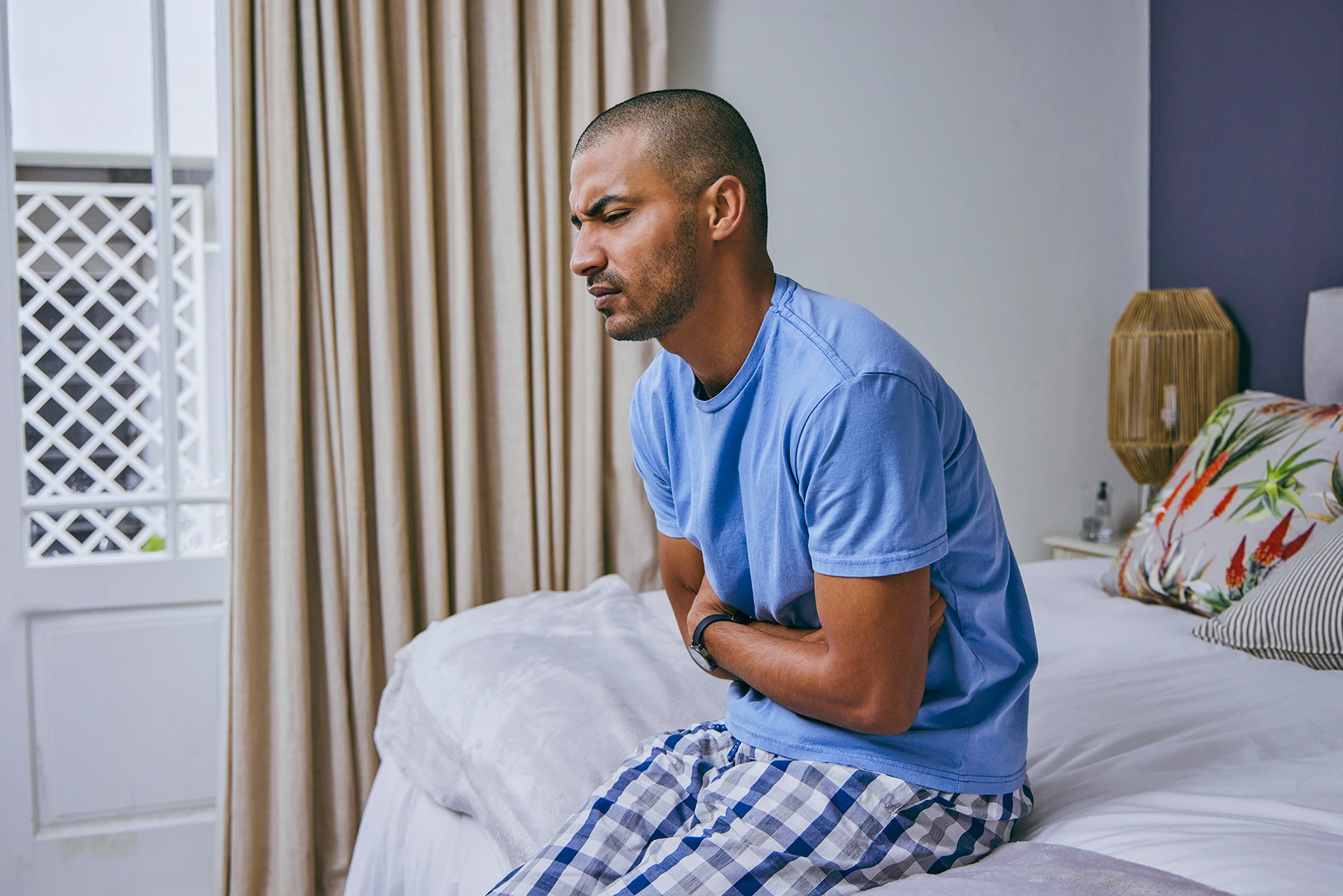
If your digestive system is like a faucet with only two settings — completely off or a firehose — you may have been diagnosed with irritable bowel syndrome (IBS). It’s an official disorder that’s often used for a range of abdominal and bowel symptoms.
“I spend more time talking to people about undiagnosing IBS than giving the diagnosis, because it’s often incorrectly used as a catch-all,” says Morgan Allyn Sendzischew Shane, M.D., a gastroenterologist and director of the University of Miami Health System’s Comprehensive Women’s Health Alliance.
Getting an IBS diagnosis sometimes leaves people with more questions than answers. It’s a condition that’s frequently misunderstood and even misdiagnosed. Having a label or diagnosis for your symptoms is only helpful if it leads to treatment.
What matters most when it comes to uncomfortable bowel symptoms is finding a pathway to feeling better.
Understanding an IBS diagnosis
An IBS diagnosis requires more than just stomach pain, short-term changes in bowel habits or bloating. IBS is part of a spectrum of disorders affecting the gut-brain interaction.
“You can have constipation and feel uncomfortable, but if you don’t describe it specifically as pain, it’s not IBS,” says Dr. Shane.
There’s a specific set of criteria you must meet for an IBS diagnosis. The Rome IV diagnostic criteria require persistent abdominal pain and changes in bowel habits. The symptoms must occur at least one day a week for three consecutive months and have been present for at least six months before diagnosis.
In addition to abdominal pain, you need to have at least two of the following:
- Abdominal pain that gets better or worse with a bowel movement
- A change in how often you have a bowel movement
- A change in the appearance of stool
Even if you weren’t given an IBS diagnosis, it doesn’t mean your symptoms are taken seriously. What’s important is that they’re treated effectively, and you feel better.
First steps after an IBS diagnosis
Dr. Shane says people with disorders affecting the gut-brain interaction, including IBS, can have many symptoms, such as abdominal pain, constipation or nausea. A good place to begin finding relief is to focus on the symptom that bothers you most, such as unpredictable bowel habits. “My first question is always: what is the number one symptom that bothers you the most? That’s where we start,” says Dr. Shane.
Working with your doctor to address areas of discomfort, such as more consistent bowel movements, can help you gain trust in the treatment process. “IBS management is rarely about one pill or one diet. It’s about addressing multiple issues,” says Dr. Shane.
Symptom-specific strategies
Drinking water and eating fiber may not be enough to treat IBS with constipation (IBS-C). Often, medication is necessary.
For IBS with diarrhea (IBS-D), food triggers are often to blame. This includes lactose, whey protein or artificial sweeteners. Cutting them out may help, though it can be challenging to really overhaul your diet if these are foods you frequently enjoy. Plus, many foods contain “hidden” lactose, especially in restaurants. Dishes may be cooked with butter, such as rice boiled in buttery water.
Mixed IBS means you experience both diarrhea and constipation. Dr. Shane says that constipation is often the culprit. Once the blockage in your intestine clears, it can result in diarrhea, which can then cause your gut to relax the muscle contractions that move waste. That can lead to constipation again. This back-and-forth can be stressful if you have IBS, but Dr. Shane says treating constipation often helps stabilize both symptoms.
The role of diet
Common food triggers for IBS symptoms include lactose and sweeteners such as sorbitol, inulin or sucralose. Symptoms can also worsen if you consume excess alcohol and protein supplements that contain whey. Consider working with a registered dietitian who can help support you in making dietary adjustments.
Lifestyle and environmental factors
Poor sleep and night-shift work can make abdominal pain worse. Stress can also increase the severity of bowel symptoms. Some variation in bowel habits is normal and doesn’t necessarily mean something is wrong. “There are some natural ups and downs because people don’t eat, drink, exercise or sleep the same every day. All of these can affect your bowel habits,” says Dr. Shane.
Treatment options
Laxatives for IBS-C are safe and not addictive when used correctly, according to Dr. Shane. Probiotics, however, may worsen bloating and brain fog. “Those bacterial strains in that supplement might not be the right ones for you,” says Dr. Shane. Fermented foods, such as kimchi, sauerkraut and kefir, tend to be more beneficial than a probiotic supplement because your body knows what to do with them.
Since stress and disrupted sleep can exacerbate symptoms, therapy and stress-management techniques can also help. Gut-directed hypnotherapy is a type of hypnosis that enables you to relax and learn how to control bowel symptoms. Cognitive behavioral therapy (CBT) can decrease the stress and anxiety surrounding your symptoms.
Building a care plan
Managing IBS requires different action plans. “Chipping away at it in multiple areas is an extremely effective strategy,” says Dr. Shane.
Keeping a two-week food diary of meals, symptoms, and bowel movements can help you and your provider pinpoint triggers. Develop a good therapeutic relationship and bring as much information to your doctor’s visit as possible. Your doctor may notice patterns you’re not trained to see.
A multi-step approach for managing IBS
IBS is a common diagnosis, but not every bowel concern is related to it. Managing IBS focuses on relieving symptoms and improving your quality of life. Instead of looking for a single treatment, your doctor can help you find more relief by addressing your symptoms through diet, lifestyle adjustments and medications if needed.
It can feel frustrating if you’ve been to other providers or tried other treatments that haven’t improved your symptoms. But combining past strategies with new approaches might be necessary to achieve the relief you need.
UHealth’s Comprehensive Women’s Health Alliance provides specialized care for women’s health at all ages. Call 855-3-4-WOMEN (96636) or request an appointment online.
Written by Wendy Margolin for UHealth.
Tags: Bowel syndrome management, Constipation relief strategies, Dietary modifications for IBS, Dr. Morgan Sendzischew Shane, Lifestyle changes for digestive wellness
