MASH: The Silent Liver Disease Impacting Millions
A former Miami Dolphins quarterback and Pro Football Hall of Famer is raising awareness of a liver disease that doesn’t receive much attention in the news. However, the number of people suffering from the condition is expected to increase significantly over the next 25 years.
Dan Marino recently revealed to People magazine that he has been living with metabolic dysfunction-associated steatohepatitis (MASH) since 2007, when he was first diagnosed. He expressed optimism about his prognosis after committing to lifestyle changes that can reverse damage to the liver.
“Marino is bringing a lot of much-needed attention to the disease,” says Lauren Dunn Gilbert, M.D., a gastroenterologist and hepatologist with the University of Miami Miller School of Medicine. As a result, she expects “primary care providers will be more proactive about checking liver enzyme tests, which means we will be seeing people at earlier stages of fatty liver disease, or Metabolic Dysfunction-Associated Steatotic Liver Disease (MASLD).”
An early and timely diagnosis can, in turn, “pause the progress of MASH and sometimes even reverse liver damage” with diet, exercise, and weight loss, she adds.
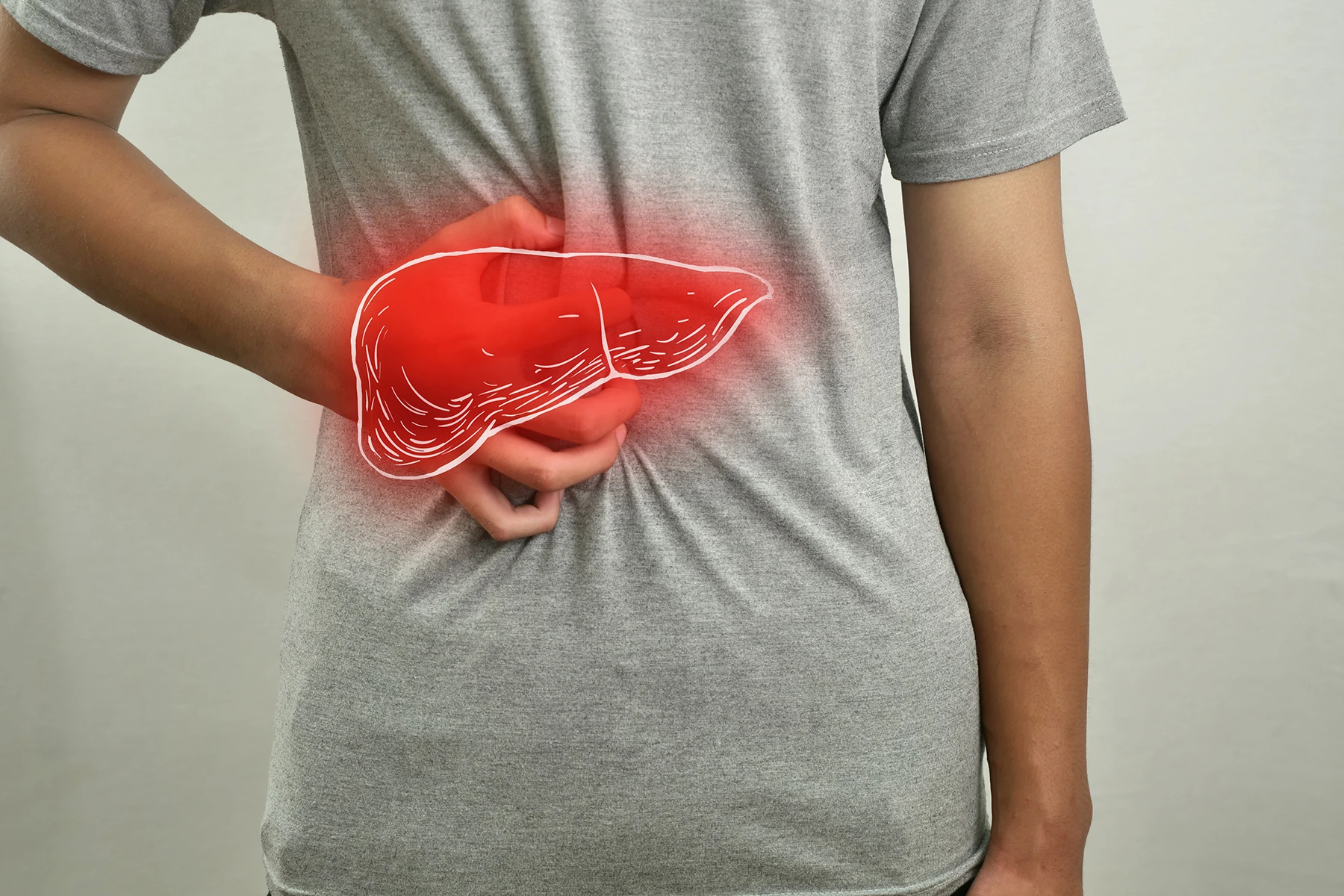
Previously known as nonalcoholic fatty liver disease, MASH is characterized by fat accumulation in the liver, which can lead to inflammation.
MASH can still cause severe liver damage, including cirrhosis and, in some late-stage cases, liver cancer.
The typical underlying causes of the disease are Type 2 diabetes, high cholesterol and triglycerides, high blood pressure, and obesity. A family history of fatty liver disease also increases risk. In addition, older adults and certain ethnic groups, namely Hispanics and Asians, may be at a higher risk of developing the disease.
In the case of the senior demographic, older adults are more likely to have conditions such as type 2 diabetes, high cholesterol, and hypertension, which are strongly linked to MASH.
Aging livers are also less efficient, making them more vulnerable to inflammation.
In addition, older adults take more medications that can affect liver function.
Hispanics and Asians have higher rates of insulin resistance, which contributes to liver fat accumulation, and Hispanics have some of the highest obesity rates in the country.
About 14.9 million U.S. adults had MASH in 2020, which is almost 6% of the adult population. Those figures are expected to rise as a consequence of increasing Type 2 Diabetes cases and the obesity epidemic.
Researchers project that 23.2 million Americans — or about 8% of the population — will be diagnosed with MASH by 2050.
MASH is called a “silent disease” because patients often have no noticeable symptoms even as liver damage worsens. There is no standardized screening test. “The disease can progress over decades without any symptoms,” Dr. Gilbert explains. “At least 50% of patients with fatty liver disease I see in clinic are referred to me after fatty liver is found incidentally on imaging done for another reason.”
Because the liver doesn’t produce pain signals, individuals don’t typically feel any discomfort.
Also, MASH progresses slowly from inflammation to fibrosis to cirrhosis. As the condition worsens, however, a patient can experience:
- jaundice
- fatigue
- abdominal pain
- ascites
- fluid in lower extremities
- varicose veins in the esophagus
- brain fog
MASH with stage 3 to 4 fibrosis can advance to liver cancer.
Losing weight, following a healthy diet such as the Mediterranean diet, and exercising are the first line of treatment once MASH is confirmed.
“Lifestyle changes are the mainstay of treatment, even before we prescribe,” Dr. Gilbert said. “Losing 10% of your weight can start to reverse damage to the liver.”
She also tells patients they should aim for moderate exercise: “You don’t have to run a marathon. It can be as minimal as a 20- or 30-minute walk three to five times a week.”
Research bears this out.
One 2024 study of patients with MASH found that adhering to a restricted diet and engaging in high-intensity interval training (HIIT) improved liver health.
And a systematic analysis published earlier this year in the journal Frontiers underscored the importance of dietary changes and physical activity in significantly improving liver enzymes, slowing fibrosis progression, and reducing liver fat.
Dr. Gilbert says that a treatment pipeline featuring multiple new therapies — including an investigational drug that blocks a liver enzyme responsible for fat production and storage — shows promise in reversing fibrosis and improving liver function. And with the FDA approval of Wegovy for MASH, patients will find it easier to shed pounds.
“I tell my patients that there is reason to be optimistic,” she adds. “If we can achieve adequate weight loss, we can get patients back to a point of minimal to no fibrosis, or stage 0-1.”
Written by Ana Veciana-Suárez, a regular contributor to the University of Miami Health System. She is an acclaimed author and journalist who has worked for The Miami Herald, The Miami News, and The Palm Beach Post.
Resources
https://jamanetwork.com/journals/jamainternalmedicine/article-abstract/2839293
https://jamanetwork.com/journals/jamanetworkopen/fullarticle/2829360
https://www.frontiersin.org/journals/nutrition/articles/10.3389/fnut.2024.1421386/full
liverfoundation.org/liver-diseases/fatty-liver-disease
Tags: Dr. Lauren Gilbert, Fatty liver treatment, Liver health awareness, Nonalcoholic liver disease

