
7 Menstrual Health Myths Every Teen Girl Should Know
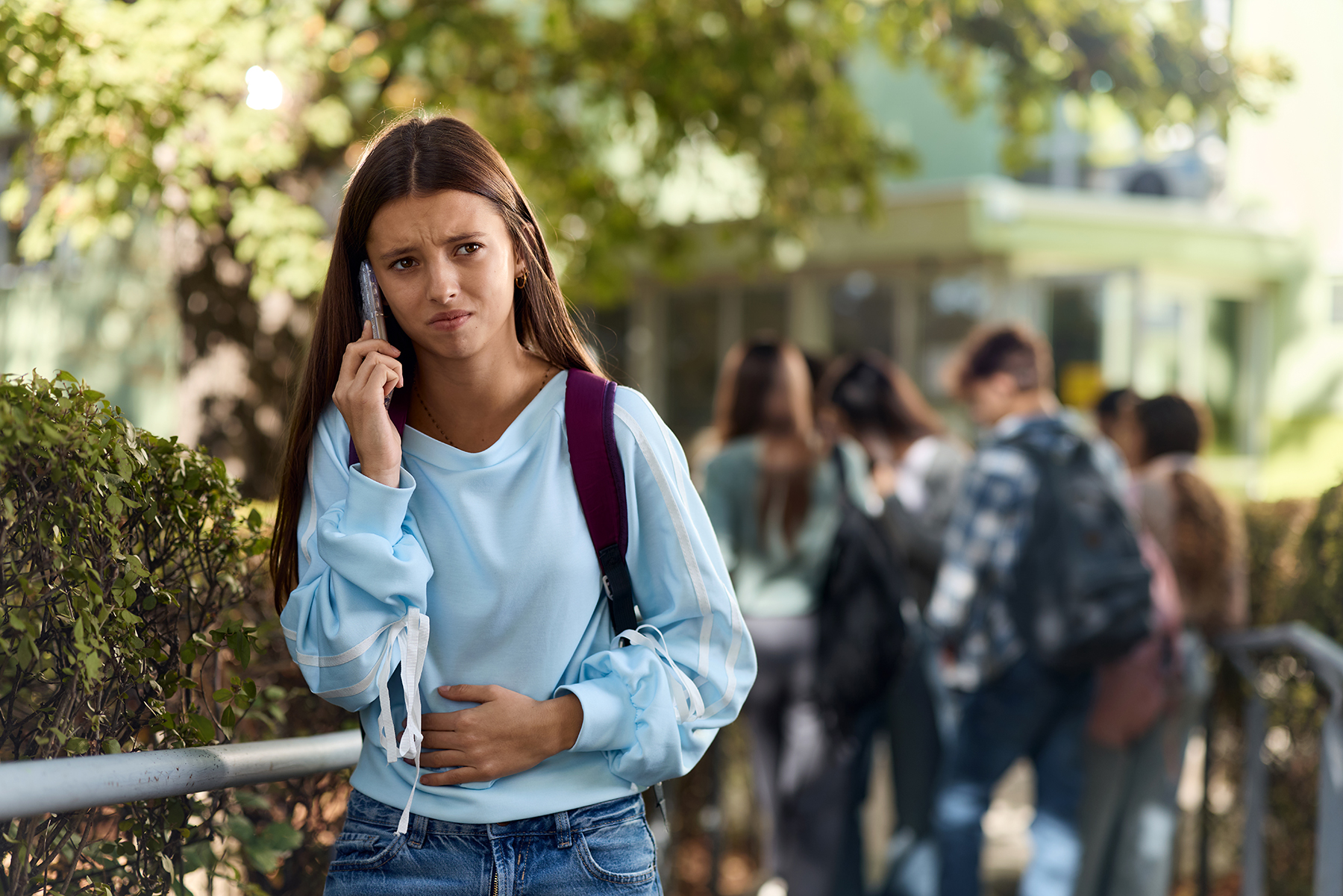
Are heavy periods normal? Can teens safely use tampons? A UHealth adolescent gynecologist separates fact from fiction about periods, vaginal health, and common misconceptions fueled by social media.
For a generation with more access to sexual health information than ever, Judy Simms-Cendan, M.D., finds many teens today are woefully misinformed about how their bodies work. While their mothers likely first learned about their bodies from sources like Judy Blume books, teen magazines and sexual education classes, teens today are learning from social media influencers and so-called experts.
“I consistently see patients with lots of misinformation or no information about how their body works, how periods happen and what’s normal,” says Dr. Simms-Cendan, a pediatric and adolescent gynecologist at UHealth.
She spends much of her day dispelling myths and correcting basic misunderstandings about anatomy that can cause unnecessary embarrassment, discomfort and even pain.
“People have no idea even where menstrual blood comes from. Even a lot of my patients’ moms are missing basic information on how to control heavy or irregular periods, how to control period symptoms, when to see a doctor, and when things are abnormal,” she says.
If it were up to Dr. Simms-Cendan, every mom of adolescent girls would share these common myths and facts to help keep teens more comfortable, confident and healthy.
Myth #1: Very heavy periods are normal
Fact: Heavy periods may run in families because of inherited bleeding disorders.
Dr. Simms-Cendan frequently sees girls whose mothers, aunts and grandmothers have experienced heavy menstrual bleeding and assume it’s normal.
It may be a warning sign.
Inherited bleeding disorders, including von Willebrand disease and certain clotting factor deficiencies, can interfere with the body’s ability to stop bleeding. Factor XI deficiency is a rare bleeding disorder in the general population but more common among Ashkenazi Jews.
About 20% of adolescents evaluated for heavy menstrual bleeding have a bleeding disorder, a rate that’s higher among certain populations.
Symptoms that warrant evaluation include anemia, periods lasting longer than seven days, regularly soaking through menstrual products every one to two hours, passing large clots or experiencing significant fatigue.
Myth #2: Period pain is natural
Fact: Menstrual cramps can and should be treated, especially when they interfere with daily life.
Period cramps occur when the uterus contracts to shed its lining, which is stimulated by hormone-like substances called prostaglandins. While common, you shouldn’t have to endure significant interference with your daily life every month. “I meet so many people who think it’s better to feel your menstrual pain and that people don’t want to treat it because it’s normal,” says Dr. Simms-Cendan.
Because prostaglandins contribute to menstrual cramps, nonsteroidal anti-inflammatory drugs (NSAIDs), such as ibuprofen, are the recommended first-line treatment. These medications help reduce prostaglandin production.
Acetaminophen (Tylenol) doesn’t typically provide relief for menstrual cramp pain.
“I hear all the time that it’s better to feel your menstrual pain, and people don’t want to treat it because it’s normal. You don’t have to just live with it,” says Dr. Simms-Cendan.
Myth #3: Tampons break the hymen
Fact: Tampon use has nothing to do with sexual activity or virginity.
Some families discourage tampon use because they worry that inserting one will damage the hymen or affect a girl’s virginity. Medically, these concerns are unfounded.
The hymen is a thin rim or fold of tissue around the vaginal opening. Its size, shape and flexibility vary naturally. It is not a seal that must be broken, and its appearance can’t reliably establish whether someone has had sexual intercourse.
Tampons can be used safely by adolescents, including those who have never been sexually active.
Myth #4: Cleansers keep your vagina clean
Fact: The vagina cleans itself, and excessive hygiene products can cause irritation.
Many products marketed to girls and women promise to eliminate vaginal odor, provide extra freshness or maintain feminine hygiene.
The vagina has a natural system for maintaining its environment, including beneficial bacteria and vaginal secretions that help protect against infection.
Dr. Simms-Cendan often sees patients who use multiple scented products to manage normal genital odors. Unfortunately, some products can irritate sensitive tissue. “People are using hygiene products that interrupt their normal biome, which is their normal barrier. There are even pads now that have menthol in them, and my patients are coming in with completely irritated vulvas,” she says.
Sweating is also normal. The external genital area contains sweat glands, and tight clothing, heat and humidity can contribute to moisture and odor.
“The vagina is a self-cleaning oven,” Dr. Simms-Cendan says, borrowing a phrase popularized by gynecologist Dr. Jen Gunter.
The vagina doesn’t need internal washing or douching. You can gently clean the external vulva with water and mild soap. Scented sprays, deodorants and other potentially irritating products are unnecessary.
Myth #5: Your diet and workouts should match your menstrual cycle
Fact: There’s not enough scientific evidence to recommend a specific diet or exercise routine for each phase of the menstrual cycle.
Cycle syncing is a popular social media trend among wellness coaches, where they recommend aligning exercise and diet with a cycle that depends on whether you’re menstruating, ovulating or in another phase of your cycle.
A 2025 study of the top 100 ranked #cyclesyncing videos on TikTok found only 13% of profiles were clinicians, 80% were health coaches, and 17% were fitness instructors.
Dr. Simms-Cendan says these recommendations go far beyond what scientific research supports. “I’m delighted they’re teaching the menstrual cycle, but there’s no science behind this.”
Dr. Simms-Cendan recommends adjusting your physical activity based on your symptoms and energy levels without following rigid rules dictated by menstrual cycle tracking apps or influencers.
Myth #6: It’s good when female athletes stop getting their periods
Fact: Losing your menstrual period during intense athletic training can be a warning sign that your body isn’t getting enough fuel.
Some adolescent athletes view the disappearance of their periods as a convenient side effect of intensive training. However, menstruation is an important indicator of reproductive and overall health.
When the body doesn’t receive enough energy to support both exercise and essential physiological functions, it may reduce reproductive hormone production. This can disrupt ovulation and menstruation.
Low estrogen levels can also interfere with bone development, increasing the risk of low bone density and stress fractures.
A condition called relative energy deficiency in sport (REDS)[1] can affect athletes of all genders and influence multiple body systems. “When your periods stop as an athlete, you need to get checked for an energy imbalance. You’re likely overtraining and underfueling,” says Dr. Simms-Cendan.
Myth #7: Teens need a pelvic exam at a gynecologist visit
Many adolescent gynecology visits don’t include a pelvic exam.
One of the most important misconceptions Dr. Simms-Cendan encounters is that adolescent girls will automatically need a pelvic examination if they visit a gynecologist. The concern can prevent teens from seeking help for menstrual problems.
In reality, many appointments just involve discussing symptoms, reviewing medical history and recommending appropriate testing or treatments. Internal pelvic examinations are often unnecessary.
Dr. Simms-Cendan emphasizes that fatigue in a girl with heavy periods deserves particular attention. Menstrual blood loss can deplete the body’s iron stores, making it harder to produce healthy red blood cells that carry oxygen throughout the body.
The goal is to identify the underlying cause of symptoms rather than simply accepting them as part of growing up.
“Girls shouldn’t have to suffer through painful periods, heavy bleeding or other symptoms because they’ve been told it’s normal. Understanding your body is important, but knowing when to seek expert care is just as important,” says Dr. Simms-Cendan.
Written by Wendy Margolin. Reviewed by Judy Simms-Cendan, M.D.

