
Radiation Therapy for Head and Neck Cancer: Side Effects & Advances
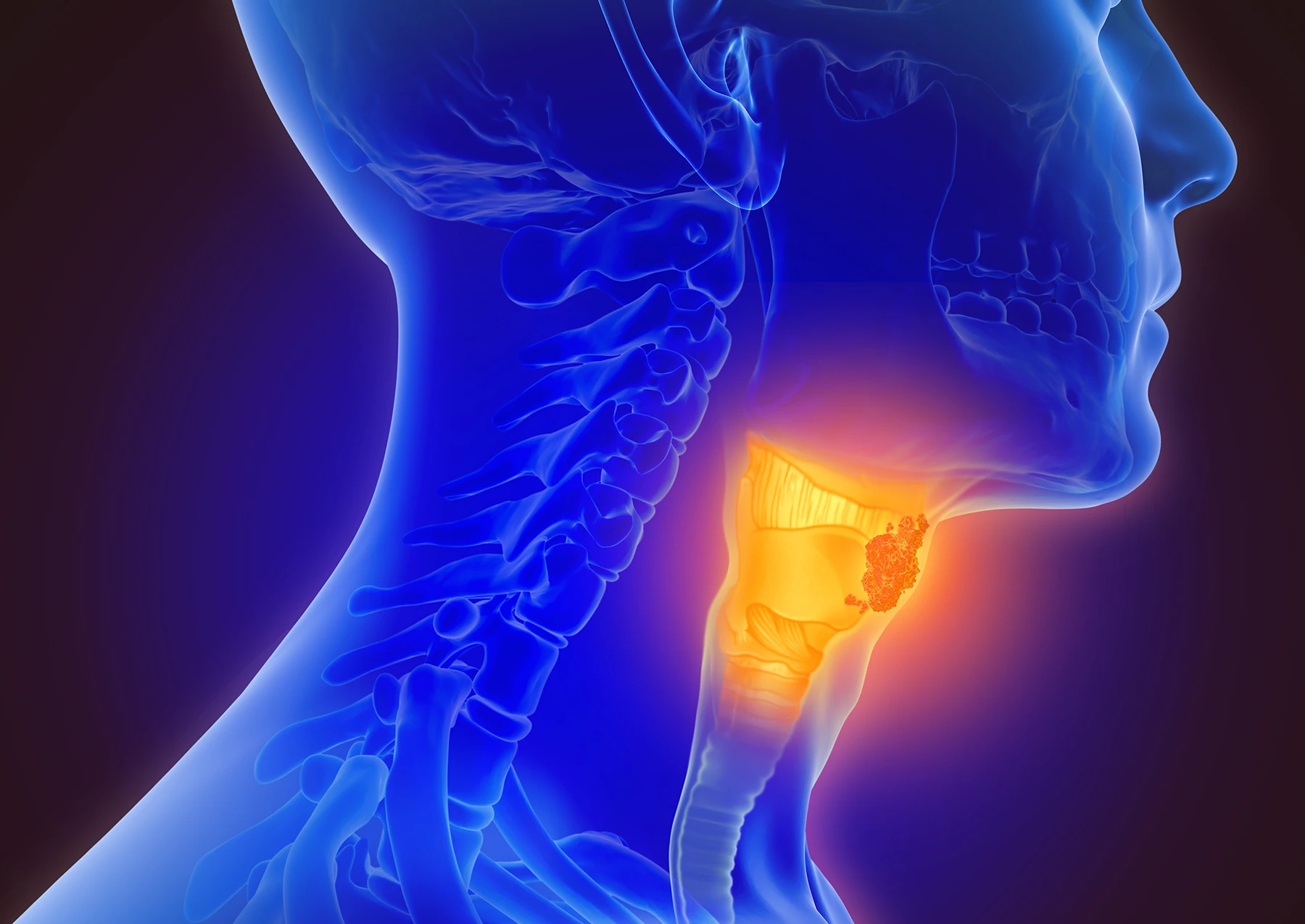
Hearing that you may need radiation therapy for head or neck cancer can be overwhelming. You may be worried about severe side effects and long-term damage.
But radiation oncology has changed significantly in recent years. It’s more precise and less likely to damage healthy tissue. And, for cancers that affect the mouth, throat, sinuses, nasal cavity, voice box and nearby structures, radiation can be a highly effective component of treatment.
“We are becoming really good at curing head and neck cancers, and there is a big push to make the treatments less intense, with fewer side effects,” says Gregory Kubicek, M.D., a radiation oncologist at Sylvester Comprehensive Cancer Center, part of UHealth – University of Miami Health System. “We’re seeing improved outcomes and less toxicity.”
What is head and neck cancer?
Head and neck cancers most often start in the lining of the mouth, throat or voice box. They can also develop in areas such as the tongue, tonsils, nasal passages, sinuses or salivary glands.
Symptoms can include a persistent sore throat, difficulty swallowing, hoarseness, a lump in the neck or mouth sores — though these can also signal noncancerous conditions.
Because these cancers affect areas responsible for speaking, swallowing and breathing, treatment requires careful coordination among multiple specialists. At Sylvester, a patient will be cared for by a team of specialists — including radiation oncologists, surgeons and medical oncologists — who work together through the Sylvester Multidisciplinary Head/Neck Clinic.
“We have a team approach, with two goals: cure the cancer and make sure you get the best quality of life we can provide,” says Dr. Kubicek, who is a professor of clinical radiation oncology at the University of Miami Miller School of Medicine.
Radiation therapy is highly personalized.
To treat head and neck cancer, radiation therapy aims powerful X-rays, gamma rays or charged particles at cancer cells, destroying them while trying to protect healthy tissue. It’s one of the most personalized cancer treatments.
Sophisticated imaging techniques are used to create a model of an individual patient’s body. Then, a team of physicians, medical physicists and others maps out how radiation will be directed.
“Everyone’s cancer and anatomy is unique, so every radiation plan is different,” Dr. Kubicek says. “We use advanced imaging and computerized planning to shape radiation to the tumor and the individual’s body, while limiting exposure to surrounding structures. And, the better computers get, the better our radiation planning gets.”
The radiation therapy experience
Radiation therapy itself is painless, and typically lasts just a few minutes per session. A patient lies still (or in some cases, sits), often with their head gently held in position by straps or other equipment.
For head and neck cancers, patients receive treatment, usually on an outpatient basis, five days a week, for six to seven weeks. Depending on the type of radiation being used, an individual appointment may last from 30 minutes to an hour.
Side effects of radiation therapy for head and neck cancers
Radiation therapy can cause side effects, but they are not the same for every patient. Typically, side effects start around the third or fourth week of radiation treatment and can include losing some or all taste, a sore throat, irritated skin, very thick mucus and difficulty swallowing. Some patients find that eating or drinking becomes so difficult that they need a temporary feeding tube to ensure they stay nourished. Most patients no longer need the tube once side effects begin to ease.
Overall, most patients will find that their side effects peak during the last weeks of the radiation, then gradually fade away. Dr. Kubicek says it usually takes around eight weeks to make a full recovery after radiation ends.
Side‑effect management is built into care from the start. “Along with their oncology team, every patient gets a nutritionist and is evaluated for speech and swallow therapy,” Dr. Kubicek explains.
Advances in radiation delivery have also reduced the amount of radiation reaching healthy tissue, which can lower the risk of long‑term effects such as chronic dry mouth or swallowing difficulty.
Proton beam radiation for head and neck cancers
Traditionally, radiation oncology has used X-rays, also called photon radiation, which is based on invisible light. A newer form of therapy, known as proton beam radiation, uses charged particles instead. In brief, photon radiation releases energy along the entire path that it travels, whereas protons release most of their energy at the end of their path.
Although some proton radiation still affects healthy tissues and causes side effects, it can be easier to contain its effects to the cancer.
“Treatment side effects and after-effects are less,” Dr. Kubicek says. “Plus, some studies have shown that proton therapy has less late toxicity — negative effects that linger or begin long after therapy is finished.”
As a patient, your experience receiving proton radiation will be mostly the same as for photon radiation. However, each appointment needs to be an hour, rather than half an hour, because the equipment setup takes longer.
Proton beam therapy is also offered at fewer locations than traditional radiation therapy. Sylvester offers proton beam therapy only at the Dwoskin Proton Therapy Center in downtown Miami. Traditional radiation therapy is offered at multiple locations, including Sylvester’s main campus in downtown Miami, Sylvester at SoLé Mia in North Miami and Sylvester Plantation in Broward County.
“There is now strong clinical trial evidence showing a survival benefit for proton therapy, compared with traditional radiation, for certain head and neck cancers,” says Markus Bredel, M.D., Ph.D., chairman and Sylvester professor of radiation oncology. “That evidence supports using proton therapy when appropriate, particularly for complex cases.”
Still, proton therapy doesn’t make sense for every patient, and Dr. Kubicek stresses that “the outcomes with regular radiation are still very good.” Patients should talk with their oncologist about whether proton therapy is something they should consider.
Clinical trials for head and neck cancer
Many patients with head or neck cancers participate in clinical trials — studies that test new approaches to treatment, side effect management or supportive care, including ways to reduce anxiety before treatment begins.
“At Sylvester, because we’re an academic medical center, we are able to offer the majority of our patients the opportunity to participate in a clinical trial, giving them the possibility of being treated today with what may be tomorrow’s standard care,” Dr. Kubicek says. “Everything we’re doing today as standard of care was defined as a best practice through clinical trials several years ago.”
Radiation therapy is today’s precision cancer care
If you’ve been diagnosed with head or neck cancer, understanding your treatment options is the first step. Your radiation oncology team can walk you through what to expect and help you make decisions that are right for your situation.
“This is not always an easy treatment, but it is a very successful one,” Dr. Kubicek says.
To learn more, visit the Sylvester Multidisciplinary Head/Neck Clinic online, or make an appointment with a specialist by filling out a web form or calling 1-844-324-4673.
Written by Rochelle Broder-Singer. Reviewed by Gregory Kubicek, M.D.
Tags: Dr. Gregory Kubicek, head and neck cancer treatment options, multidisciplinary cancer treatment Miami, side effects of radiation for throat cancer, Sylvester Comprehensive Cancer Center

