
Why a Brain Injury Can Also Damage Your Lungs
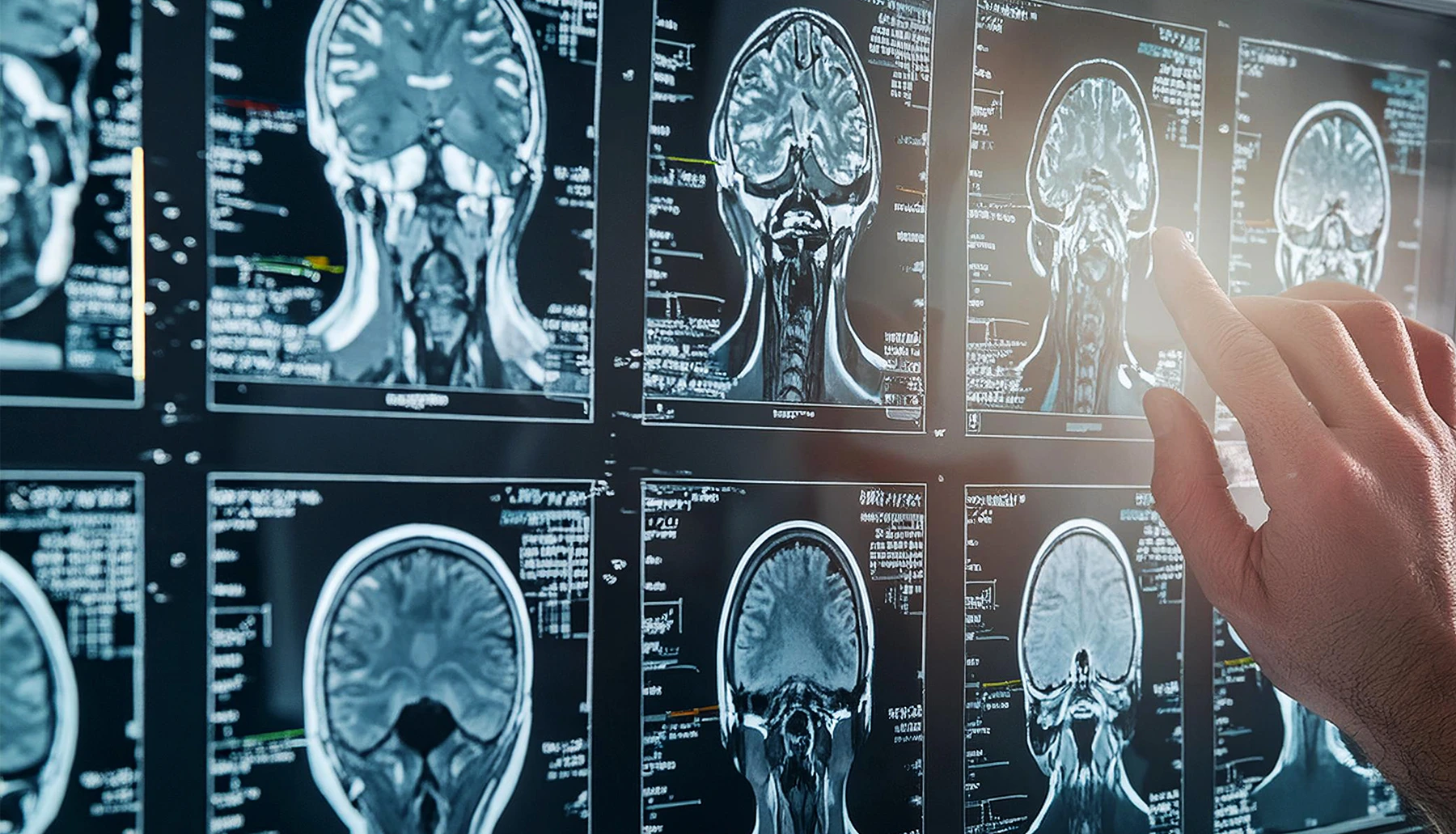
When someone suffers a severe traumatic brain injury (TBI), we typically think of its impact on the brain itself. But did you know that TBI can also cause serious damage far beyond the brain, particularly to the lungs? Up to 30% of TBI patients develop severe lung problems, including a condition called acute lung injury (ALI) or the more severe form of known as acute respiratory distress syndrome (ARDS), which significantly increases their risk of death.
But how can an injury to the brain lead to lung failure?
New research from scientists led by Nadine Kerr, Ph.D., a research assistant professor of neurological surgery at the University of Miami Miller School of Medicine, has uncovered a hidden communication pathway between the brain and the lungs. They call this the “brain-lung axis.” This pathway links brain trauma to widespread inflammation and lung damage through tiny molecular messengers called extracellular vesicles (EVs).
Think of EVs as miniature mail carriers or tiny packages sent out by cells. Dr. Kerr actually discovered these EVs as a way that the brain and lung communicate during her Ph.D. studies in neuroscience at the Miller School, working with mentors Robert Keane, Ph.D., and W. Dalton Dietrich, Ph.D.
The brain’s message to the lungs
When the brain is injured, it releases these EVs. These microscopic, protective sacs carry proteins, RNA, and other cellular cargo. They can cross the brain’s protective barrier and enter the bloodstream, traveling to distant organs like the lungs. In TBI patients, these EVs are packed with proteins that trigger a strong inflammatory response after injury.
In one study, Dr. Kerr and her team analyzed EVs from the blood of 21 severe TBI patients. They found that patients who developed lung injury had much higher levels of these inflammatory proteins in both their blood and the EVs, compared to those without lung issues. When these EVs were added to human lung cells in lab dishes, they activated the inflammatory response, leading to a type of programmed cell death in the lung cells. They also find that treatment with Enoxaparin, a FDA approved is an FDA-approved anti-coagulant with anti-inflammatory properties, inhibited EV uptake into lung tissue after TBI.
This discovery strongly suggests that there’s a direct brain-lung connection, where brain-derived EVs act as inflammatory messengers that harm lung tissue. It means that lung damage after TBI isn’t just a side effect of other complications; it’s a direct consequence of these molecular signals sent from the injured brain.
Blocking the chain reaction with a blood thinner
Armed with this insight, a second study explored whether a common medication, enoxaparin, could stop this inflammatory chain reaction.
In a study using a mouse model of severe TBI, researchers gave enoxaparin just 30 minutes after the injury and then examined its effects on lung and brain tissue 24 hours later. The results were promising:
- Enoxaparin significantly reduced levels of key inflammatory proteins in both the brain and lungs.
- It helped preserve lung structure and lowered scores for acute lung injury.
- It decreased the infiltration of inflammatory cells, such as neutrophils and macrophages, into the lungs.
These findings suggest that enoxaparin not only prevents clotting but also appears to block the lung cells from taking up these harmful EV messengers, thereby reducing inflammation and lung damage.
A new approach to TBI care
Taken together, these studies show how TBI-induced EVs can trigger lung injury and how enoxaparin might offer a way to reduce it. The research also points to the potential of these inflammatory proteins as early warning signs for predicting lung complications in TBI patients.
Kristine O’Phelan, M.D., professor of neurology and chief of the Neurocritical Care Division at the Miller School, was part of Dr. Kerr’s Ph.D. thesis committee and is keenly interested in these findings for patient care.
Prior to these findings, Enoxaparin was not currently used for TBI patients due to the risk of bleeding. However, now Dr. O’Phelan uses enoxaparin in acutely injured TBI patients to prevent serious blood clots like deep vein thrombosis and pulmonary embolism. The new research suggests that enoxaparin may also help prevent lung complications by blocking the EV-mediated inflammation. This dual benefit — acting as both a blood thinner and an inflammation-reducer — could transform how doctors manage TBI patients who are at risk for lung failure.
“It is exciting to consider that using enoxaparin for routine prevention of blood clot complications may also help our patients by preventing pulmonary complications as well,” said Dr. O’Phelan.
This groundbreaking research from the University of Miami Miller School of Medicine offers new hope for improving outcomes for patients with traumatic brain injury.
AI-assisted version. Edited by Audra Hodges. Medically reviewed and approved by Dr. Nadine Kerr.
Resources
Tags: Blood thinner benefits, Inflammatory response management, Neurocritical care, TBI and pulmonary complications

