
Expert Answers: Do You Need Lymphatic Drainage for Swelling or Bloating?
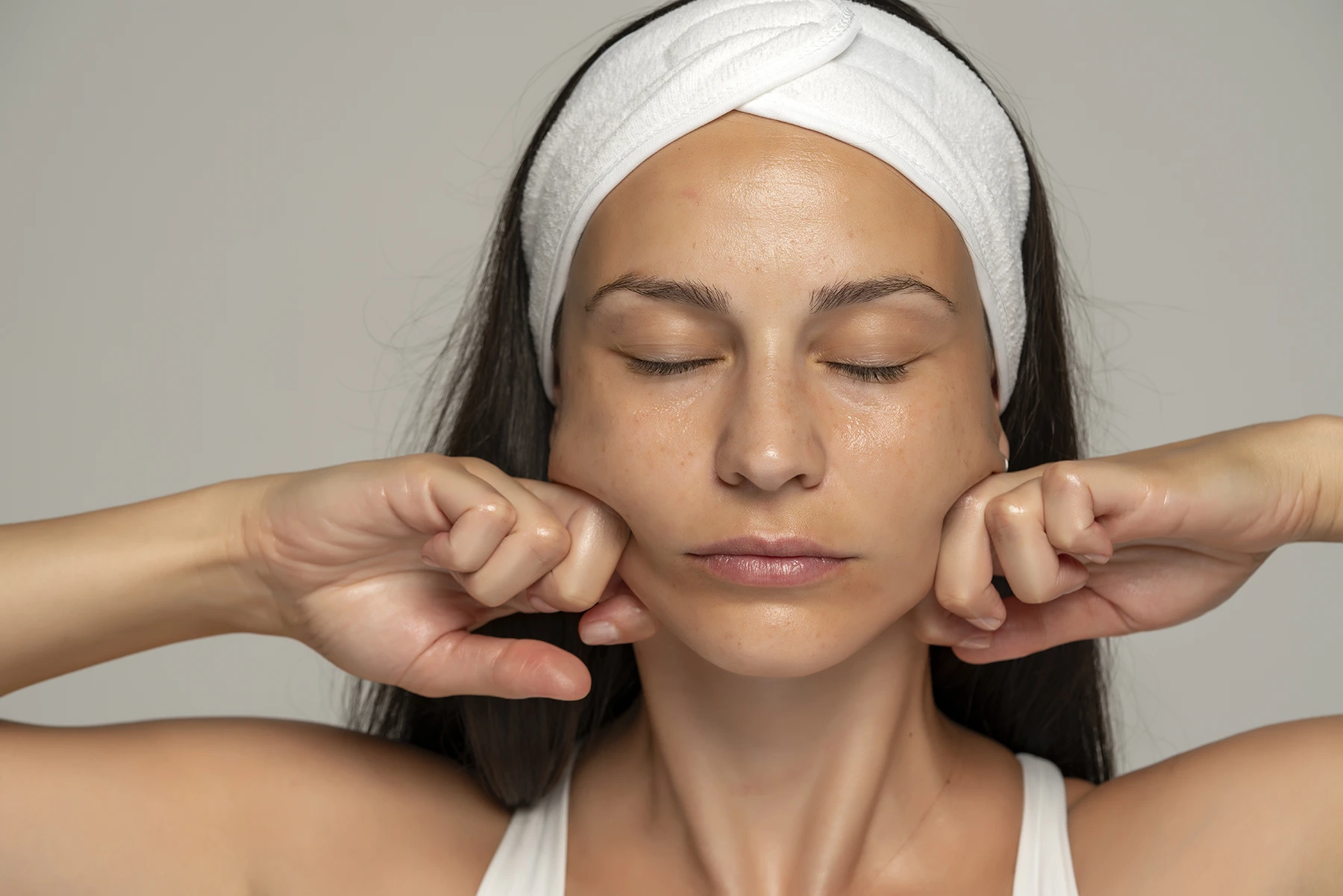
Social media is buzzing with trending posts touting the benefits of encouraging your body’s lymphatic drainage. You may have seen videos featuring women using vibration plates, jumping in place or on a trampoline, using a gua sha hand tool to “sculpt” the face and neck, and massaging the lymph nodes in their collarbones and armpits — all with the goal of stimulating the body’s natural process of moving and draining lymphatic fluid. What is this all about, and could you benefit from trying these techniques?
What is lymphatic fluid?
Lymphatic fluid (called lymph) is an essential part of your body’s lymphatic system. It cleans your tissues of pathogens, transports fats from the intestines, and returns fluid to the blood to maintain balance. Lymph carries nutrients, proteins, white blood cells (lymphocytes), fats, and cellular waste to your body’s cells and tissues.
When the lymphatic system is damaged or blocked, lymph can’t circulate normally and builds up within the body’s tissues. This causes swelling (called lymphedema) that most often occurs in the arms and legs but can also affect the head and neck, chest, breast, abdomen, and genitals.
In the affected body parts, lymphedema can cause:
- the feeling of heaviness
- skin tightness
- pain
- reduced joint flexibility
If left untreated, lymphedema can lead to tissue hardening, fatty deposits in the tissues, reduced mobility, infections, and skin problems.
Lymphedema is not, however, the same as experiencing abdominal bloating, facial puffiness, unwanted weight gain/obesity, or swelling of the joints.
These conditions can be caused by a variety of triggers, including:
- menstrual bloating
- increased caloric intake
- lack of physical activity
- an inflammatory diet (including processed foods, added sugars, alcohol, fried foods, and high sodium)
- a number of inflammatory and autoimmune conditions
Lymphedema is not caused by any of these medical conditions or lifestyle choices.
“There’s a lot of false information out there,” says Mark Lin, APRN, a nurse practitioner with the University of Miami Health System’s Division of Plastic Surgery. “I’ve seen several patients who find information on Instagram and come to me complaining of ‘whole body lymphedema,’ which is not really a thing.”
Could I have lymphedema?
If you were born with a congenital malformation of the lymphatic system, you would have experienced the symptoms of primary lymphedema as early as infancy. Or, your symptoms could have begun during hormonal transitions such as puberty or pregnancy.
Secondary lymphedema develops later in life and can be caused by infection or trauma to the lymphatic system as a result of injury, cancer, or cancer treatments (surgery, radiation therapy, removal of the lymph nodes, or medication).
If you are experiencing swelling, especially in the legs or arms, see your primary care physician for a physical exam and a review of your medical history. They may refer you to an oncologist or a vascular specialist. Imaging tests — such as an MRI, CT scan, lymphoscintigraphy, and/or Doppler ultrasound — offer more information about the swollen area(s) of your body and help your doctor make an accurate diagnosis.
“If you do not have lymphedema, there is no lymph fluid retention,” Lin says. If lymphedema is ruled out, he recommends seeking a second opinion with medical providers that specialize in diagnosing and treating causes of swelling, such as cardiac disease, kidney disease, and liver disease.
How do you treat lymphedema?
“If you’re diagnosed with lymphedema, lymphatic therapy is medically necessary to help manage the condition,” Lin says. “All of our patients have a medical necessity to see our therapists.”
For patients with lymphedema, physical and occupational therapists can provide lymphatic therapies, including manual lymph drainage (MLD), as part of a personalized, comprehensive symptom management plan. MLD is a gentle massage technique that helps move the lymph fluid out of swollen arms or legs. Rehabilitative medicine providers may follow MLD with the application of a short-stretch compression bandage to the affected limb to prevent the fluid from re-collecting.
Physical and occupational therapists help patients with lymphedema improve their range of motion and increase strength with exercises that can help move lymph fluid through the body.
Manual lymph drainage performed by a trained therapist may also help:
- post-surgical recovery — particularly liposuction, tummy tucks, or cancer-related surgeries — to reduce swelling, prevent fibrosis (tissue hardening), and improve surgical outcomes
- reduce edema (swelling resulting from an injury, pregnancy, or temporary circulation issues that trap excess fluid in the body’s tissues, commonly in the feet, ankles, and legs)
- manage the symptoms of conditions like chronic venous insufficiency
- manage chronic pain and improve mobility for individuals with conditions such as rheumatoid arthritis, fibromyalgia, and chronic fatigue
- relieve fluid retention caused by pregnancy
Lymphatic massage is generally safe, but carries some risk for those with underlying health conditions. These include congestive heart failure, blood clots, kidney failure, active cancers, or severe infections.
Written by Dana Kantrowitz. Medically reviewed by UHealth providers Mark Lin, APRN, nurse practitioner with the Division of Plastic Surgery, and Mark Shafarenko, M.D., a plastic surgeon who specializes in treating lymphedema.
Tags: causes of fluid retention, Dr. Mark Shafarenko, lymphatic system function, ymphatic massage risks

