
Why ACL Injuries Are Rising in Female Athletes and How to Prevent Them
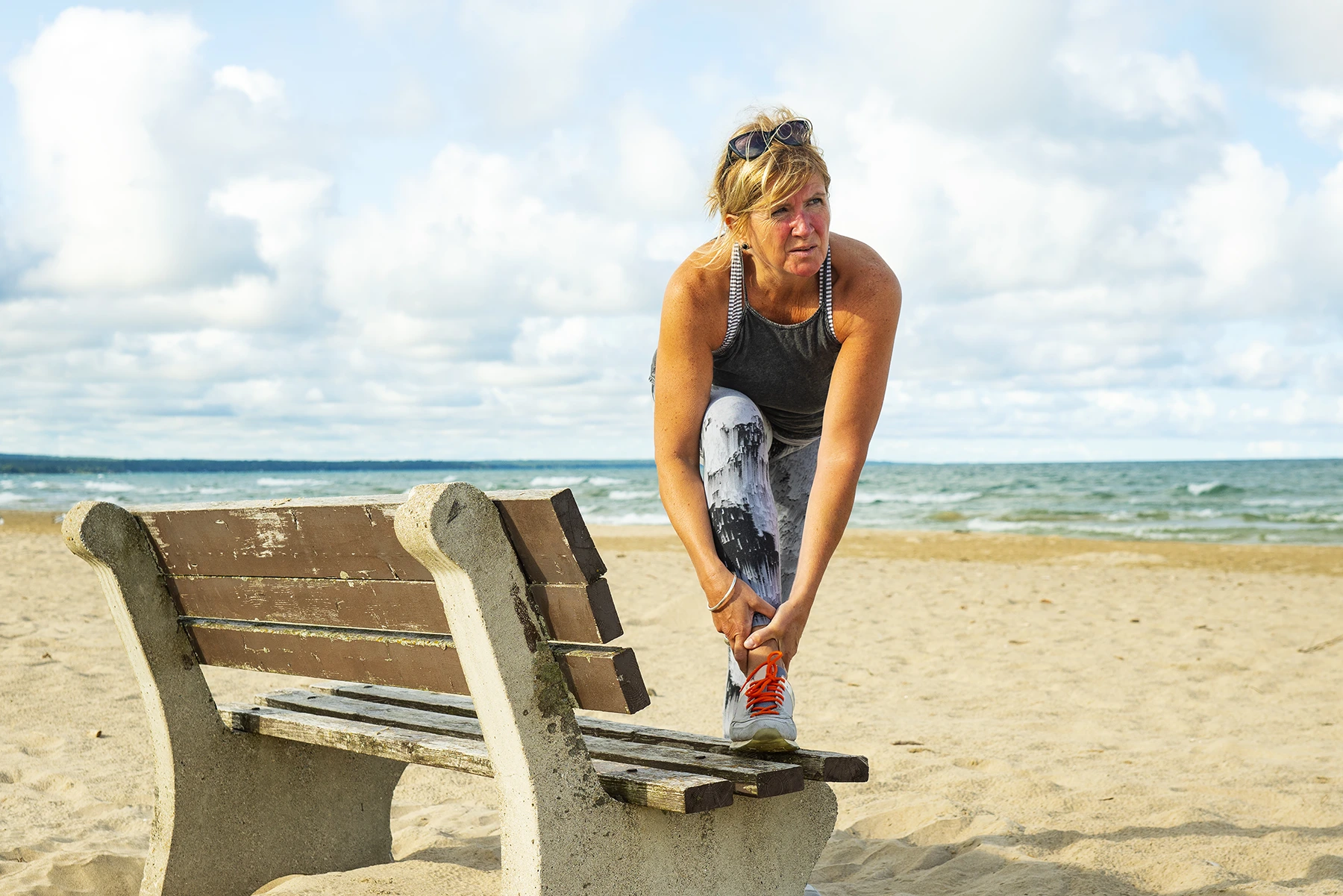
ACL tears in girls and young women are increasing at alarming rates. Learn why risk is higher, which sports are most affected, and how prevention programs can cut injuries by more than 50%.
The numbers might surprise you: Female athletes are up to eight times more likely to suffer anterior cruciate ligament (ACL) tears than their male counterparts playing in similar sports. That difference is even more notable for those participating in activities that require jumping or sudden pivoting, including gymnastics, basketball, lacrosse and volleyball.
Jennifer Horawski, M.D., an orthopedic sports medicine specialist at the University of Miami Sports Medicine Institute, has treated those cases in her practice, and in some instances the reason for the injury can be confounding — at least for the athlete, who may not have even been playing in a game.
“In clinical practice, what stands out is that many of these injuries are non‑contact,” Dr. Horawski says. “The knee simply can’t tolerate the load during a cut or landing, even though nothing dramatic ‘happens’ on the outside.”
More worrisome may be the fact that these ACL injuries in women have been steadily inching up in the past few years.
ACL injury rates for high school girls surged by as much as 32% between 2007 and 2022 — more than double for young men, according to a longitudinal analysis by the Aspen Institute’s Project Play and Hospital for Special Surgery.
The National ACL Injury Coalition calls the surge a “public health crisis,” pointing out that the long-term consequences of such an injury are both physical and financial. A rupture of the ACL not only jeopardizes a young athlete’s sports future, but it can also burden a family with hefty costs. In addition to the price of required surgery, the expense associated with a long recovery and therapy can contribute to financial strain. Patients may ultimately suffer knee pain and an increased risk for knee replacement as well.
The prevalence rate of ACL tears varies between sports.
Overall, 42 ACL injuries per 100,000 athlete‑exposures occur in female high school players. Girls who play soccer have the highest ACL injury rate among female team sports, at 68 cases per 100,000 athlete-exposures. And participation in soccer and basketball teams accounts for 70% of female ACL injuries.
Dr. Horawski says girls in early to mid-puberty (between the ages of 12 and 16) are the most vulnerable, particularly during growth spurts. “This is when we see limb length increasing rapidly but strength and coordination lagging behind growth,” she explains. “Neuromuscular patterns are not yet optimized, so we see a cluster of ACL injuries in high‑school athletes who are otherwise healthy, skilled, and well coached. Puberty is the common denominator.”
One 2023 review of studies found that ACL injuries are rare before the age of 10, but that’s followed by a rapid and steady increase from 11 to 17 years that is substantially greater in girls than boys. There’s also a marked difference in injury prevalence between adolescent girls and adult women.
“Adolescent girls often grow quickly but don’t automatically gain the strength or neuromuscular control needed to manage that new body,” Dr. Horawski says. “That mismatch is where risk lives. Adult women tend to have more training history and better movement awareness.” That said, risk remains elevated for women, too — especially in cutting and pivoting sports.
Puberty also marks the delineation between the sexes.
“Before puberty, boys and girls move more similarly. After puberty, sex‑specific differences in strength, power, and neuromuscular control emerge,” she adds.
Moreover, anatomy plays a significant role. For one, girls have a smaller ACL size, wider pelvis, and greater ligament laxity (looseness. They often demonstrate movement patterns that place higher strain on the ACL—especially during deceleration and cutting. And while these anatomical features don’t cause injury on their own, they do raise vulnerability.
“I often tell patients: anatomy loads the gun, but movement pulls the trigger. Two athletes can have the same X‑ray, but only one gets hurt based on how they move,” says Dr. Horawski.
Of course, it’s not just puberty and anatomical differences affecting ACL injury risk. Early sports specialization and high-intensity exposure also influence the chances. In fact, one study reported that girls specializing in one sport year-round had a 31% higher risk of ACL tears and other serious injuries compared to multi-sport athletes.
That’s because using the same muscles groups with little rest can lead to fatigue, a trigger for the non-contact “pivoting” injuries. In addition, when an athlete specializes in one sport early, it can limit the development of other muscle groups that might serve as protection when landing and cutting.
Part of the risk interplay involves hormones as well.
Dr. Horawski calls them “modifiers not primary drivers.” Estrogen and other hormones influence collagen metabolism and ligament laxity, particularly during the menstrual cycle. “In practice, I don’t think hormones cause ACL tears — but they may slightly shift the margin of safety in an already high‑risk situation.”
ACL injuries, however, don’t have to be a foregone conclusion for young female athletes. Some screening is possible, but more as risk identification than prediction. These include jump‑landing assessments, strength asymmetry testing and movement quality analysis.
“We can’t say who will tear their ACL” she adds, “but we can absolutely identify who moves in a high‑risk way and intervene early.”
Proper training and conditioning play “a massive role” in prevention.
Dr. Horawski is a strong proponent of neuromuscular injury‑prevention programs, which have been shown to reduce ACL injuries by more than 50% when done correctly.
These programs include strengthening of the hips and hamstrings; plyometrics, which involves explosive movements to boost muscle power, speed, and overall athletic performance; and balance and proprioception training. (Proprioception is your body’s automatic perception of its position and movement in space.) Teaching techniques and providing feedback on landing and cutting also help.
“What matters most is quality, consistency, and starting early,” she adds, “not just doing a program for two weeks and checking the box.”
Written by Ana Veciana-Suarez. Reviewed by Jennifer Horawski, M.D.
Sources
https://projectplay.org/acl-injury-prevention/main
Tags: ACL injury prevention, ACL tear causes, adolescent athlete injury risk, female ACL injury risk, girls sports injuries, neuromuscular training ACL

