
An Ingredient in Gel Nails Was Banned in the EU
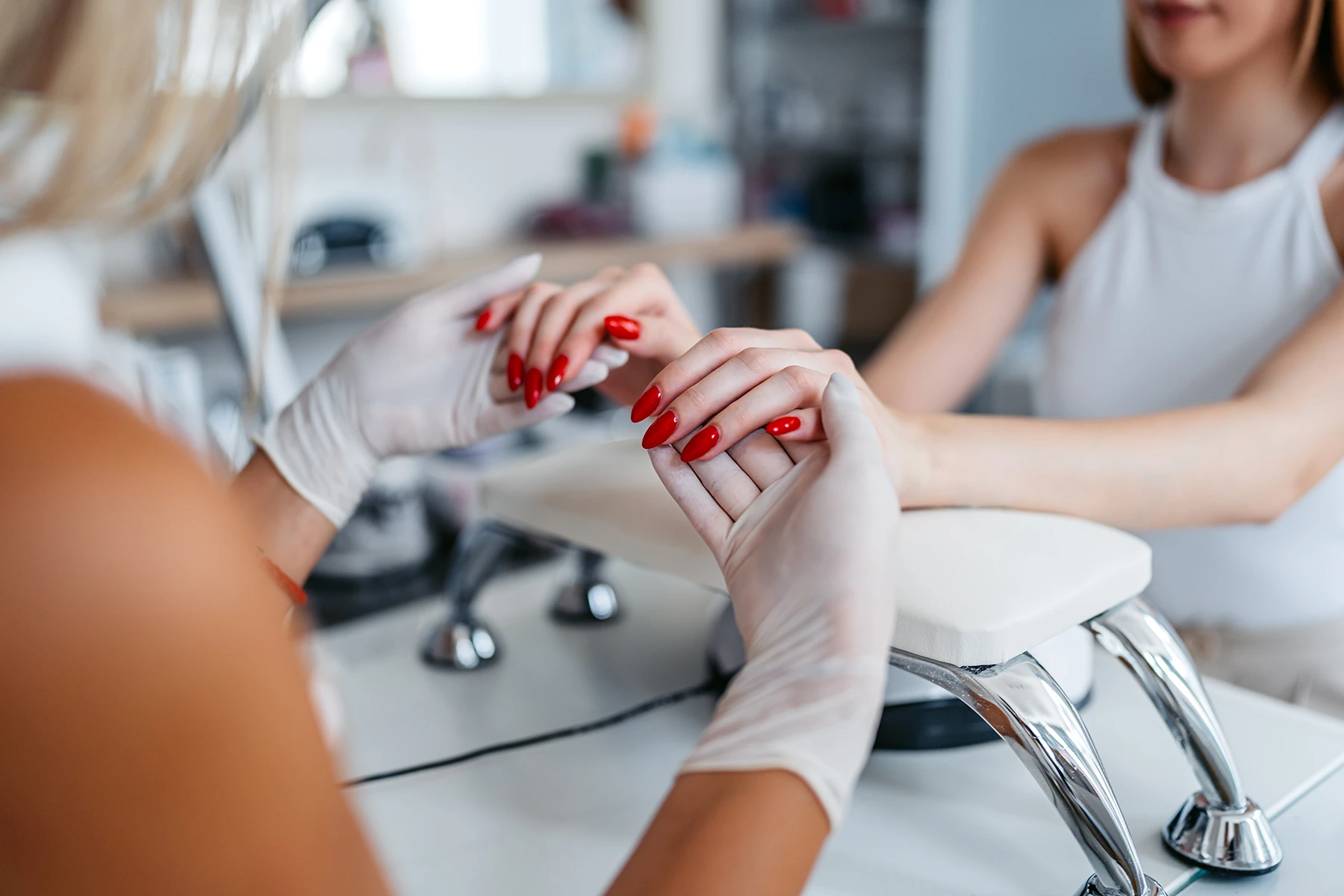
Is the EU overly cautious or protecting everyone from real risk?
If you’re one of millions around the world who swear by long-lasting, chip-free manicures, the news from Europe might raise an eyebrow. The European Union (EU) just banned a key ingredient in gel nail polish.
The ingredient is called TPO, trimethylbenzoyl diphenylphosphine oxide. Some studies suggest it might be harmful to your health.
Is Europe being overly cautious? Or is this a warning everyone should take seriously?
What’s TPO, and why is it used?
TPO is a chemical known as a “photoinitiator.” It triggers a reaction when exposed to light.. In this case, it hardens gel nail products under UV or LED light, says Brian William Morrison, M.D., a dermatologist at the University of Miami Health System.
“This is what turns the liquid gel into a solid. It’s also why people feel a ‘heat spike’ when they get gel polish done,” says Dr. Morrison. TPO, while not used in all gel polishes, works quite well at giving you a durable manicure, which is why it’s popular in nail salons across the United States.
Why the EU banned the ingredient
Starting September 1, the EU banned all nail polish containing TPO. According to the Cosmetic Ingredient Review (CIR) report released in November 2024, TPO isn’t considered carcinogenic — meaning something that can cause cancer — but it has been flagged for its potential for fertility problems.
“I think this is the main reason it was banned in the EU, especially since young women are the demographic that’s getting gel polish,” says Dr. Morrison.
Different approaches of the EU and the FDA
To understand why a popular product is banned in the EU and not here in the United States, it’s important to distinguish between the different approaches to food, drug, and chemical guidelines. The EU and the FDA take different approaches to approving or regulating chemicals, explains Dr. Morrison. “The EU prioritizes preventing harm, and the U.S. is more reactive and addresses risks only after harm is demonstrated.”
There are many everyday American products we would avoid if we followed European guidelines, such as food dyes, particularly Red 40. Certain preservatives and flame retardants are restricted in Europe, but allowed in the U.S.
Should you be worried about gel manicures?
Not necessarily, says Dr. Morrison. Banning TPO is a precautionary move from the EU. As of now, there’s no evidence to suggest TPO harms humans. The studies were done on rats that ingested the TPO. Animal studies also showed it affected fertility at certain doses.
Still, there is currently no clear link between TPO and cancer.
Risk depends on how toxic something is and how often you’re exposed to it. Occasional salon visits are likely low risk, but, again, the EU tends to err on the side of caution. The EU limits new products to the market, but it also tries to maximize public safety. “On the other hand, the FDA will allow products that are generally recognized as safe until they are proven to be harmful,” says Dr. Morrison.
The Ultraviolet (UV) question
Besides TPO in gel nails, the UV exposure from curing lamps raises separate concerns. One study says that repeatedly using UV nail lamps over time can carry a small risk of skin cancer. Another study says LED light still emits UV radiation, but it’s technically less than UV lamps.
There’s a known link between UV light and skin cancer, so it’s a good idea to limit your exposure. “That said, there are no studies that have found an association of gel polish or UV salon lamps and the development of skin cancer on the fingers,” says Dr. Morrison.
Consider giving yourself added protection by applying sunscreen to your hands before getting a gel manicure and limiting how often you get them.
Safer (and still stylish) options
There are some TPO- and HEMA-free options you can use as alternatives to your gel manicure. HEMA is short for hydroxyethyl methacrylate, and is another chemical hardener used in gel nail polishes. Both TPO and HEMA-free polishes are often labeled as “vegan” or non-toxic.
“Vegan gel polishes have acrylates that can cause an allergic contact dermatitis and lifting of the nails, known as onycholysis,” says Dr. Morrison.
It’s better to stick with regular nail polish. You can also rotate gel polish with regular manicures.
Nail salon safety beyond the ingredients
Make sure your manicure is as safe as possible. “Select a salon with a good reputation, that’s clean, and has knowledgeable staff,” advises Dr. Morrison. Take the advice of nail technicians who recommend against certain services or treatments, especially if nails are already damaged.
“This is especially true for lifted nails, or onycholysis, which might be the result of a nail cosmetic or aggressive manicure or pedicure,” notes Dr. Morrison.
Practicing good hygiene and nail care habits can prevent more harm than any single ingredient ban.
How to be a conscious beauty consumer
It’s important to stay informed about the safety of the ingredients you’re putting on your hair, skin, and nails. You can take a proactive approach and follow the updates from the EU and FDA while regulatory agencies get on the same page.
Remember that regulation doesn’t replace your personal judgment. You don’t have to ditch gel nails overnight, but it’s worth understanding what’s in your polish, and what’s happening in safety research for cosmetics.
Written by Wendy Margolin for UHealth.
Tags: Brian W. Morrison, Chemically-free manicures, Cosmetic ingredient safety, Gel nail polish safety, Non-toxic beauty products

