
Are Sports Drinks Good For You?
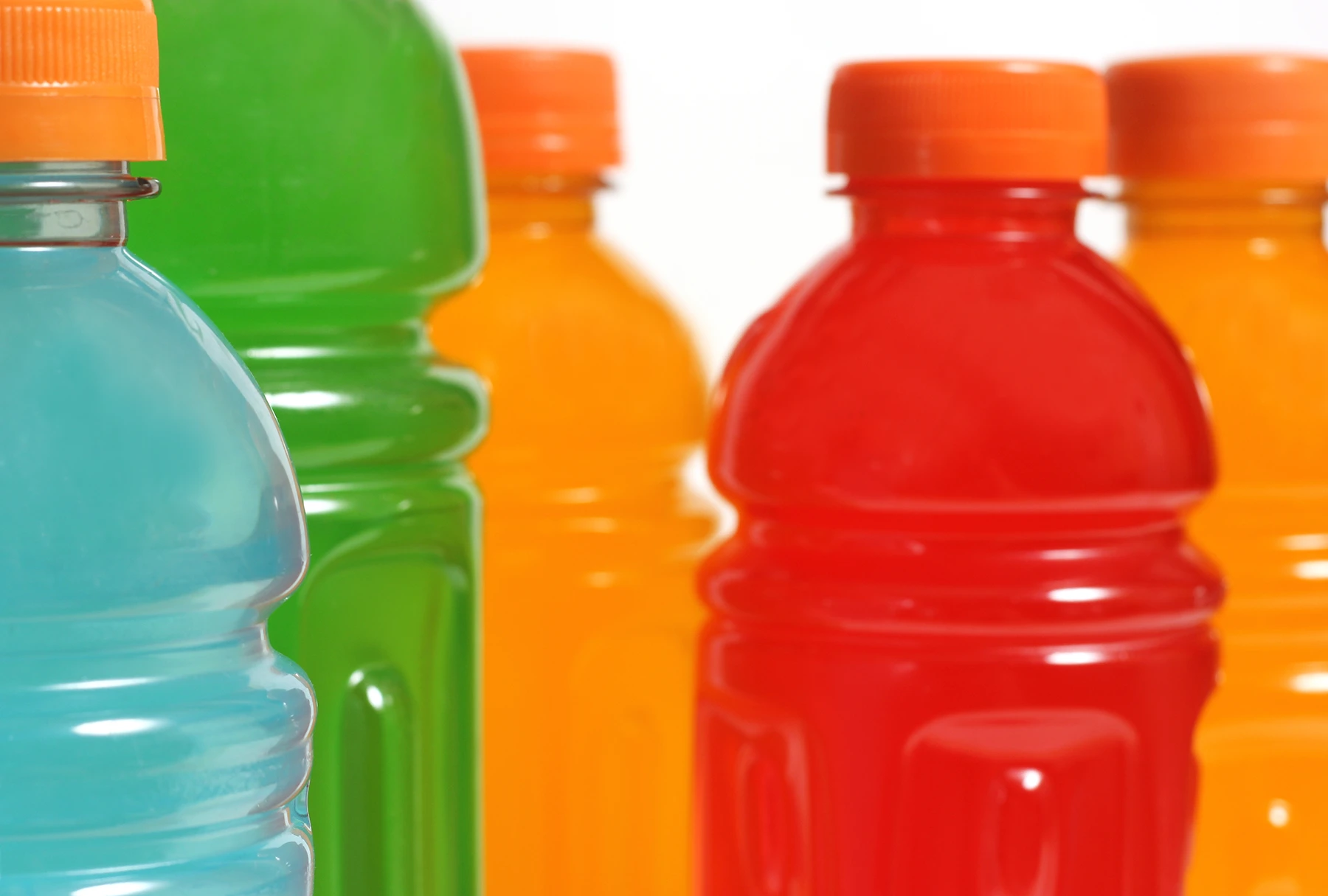
Once the exclusive domain of elite athletes, sports drinks are now found everywhere, from Little League sidelines to vending machines and the family fridge. These beverages have become the go-to hydrating guzzle and sip for pretty much everyone, including the amateur competitor and the serious contender, even those who don’t exercise at all.
And why not? Neon-colored, tasty, and readily accessible, they’re refreshingly good and, for the wannabes of field or court, they promise peak performance and rapid recovery with the just-right touch of electrolytes. But the benefits of imbibing a sports drink depend on the circumstances.
“In reality, not everyone needs them,” says Kristopher J. Paultre, M.D., a family medicine and primary care sports medicine specialist with the UHealth Sports Medicine Institute. “They have a place with the high-level athlete or the endurance athlete, but the majority of people aren’t high-level athletes. Their participation doesn’t require that level [of hydration].”
That means the person doing strength training or speed walking on the treadmill can hydrate just fine by drinking plain water.
That holds true for the junior athletes in park leagues, too. Sports drinks, Dr. Paultre adds, “are meant for game time and long practices.” Or for the athlete who sweats a lot.
In fact, the average sports drink may be more sugar trap than liquid replenisher.
That’s because sugar content in sports drinks has “increased significantly” since they were introduced into the market, Dr. Paultre says. And while sugar is helpful in high electrolyte loss, most of us never exercise that long or that strenuously.
Studies have shown that sports drink consumption, particularly in children and non-athletes, was actually associated with obesity risk in adolescents and a higher BMI.
The American Academy of Pediatrics also cautions parents about their proper use, warning that sports drinks are marketed to kids. The AAP says these drinks are appropriate only during endurance sports or high-intensity exercise lasting more than an hour or in hot environments where children may sweat heavily. For any other activity, water should be the primary source of hydration.
This rationale holds true for adults as well. A 2023 systematic review of the research published in the journal Nutrients concluded that sports drinks are often consumed unnecessarily.
In fact, the authors recommended that sports drinks carry warning labels.
That’s not to say sports drinks serve an important purpose. For endurance and short, high-intensity sports, these beverages can delay fatigue, maintain performance, and increase carbohydrate oxidation rates —the speed at which carbohydrates are broken down and used for energy by the body.
The idea of sports drinks has been around for centuries.
Ancient civilizations understood the importance of proper hydration and nutrition for exertion. Ancient Greek athletes consumed wine-vinegar mixes for stamina, and competitors from various city-states also drank water infused with herbs and honey.
It wasn’t until the 20th Century, however, that physiology research began to unravel the actual ingredients needed to fuel athletic recovery. The first of its kind to use this information was a 1930s drink that included dextrose for energy and sodium citrate for better water absorption. Unfortunately, it wasn’t very tasty. But that beverage served as a breakthrough that eventually gave way to Gatorade in 1965, which was famously engineered and tested on University of Florida football players.
Since then, dozens of sports drinks have come on the market, and now these specialty beverages account for an estimated $34 billion of spending in the U.S. alone, with an annual growth rate of almost 6%.
But popularity shouldn’t determine how and when you hydrate.
Instead of loading up on sugars and minerals you likely don’t need, Dr. Paultre suggests:
- Water is usually the best choice for hydration. Drink lots of it.
- Pre-hydration is important, particularly several hours before the activity. While most of us think of drinking while exercising, that’s not nearly enough. Hydrating before (as well as during and after) is essential to reduce muscle cramping, regulate body temperature, and improve heart function and oxygen delivery to muscles.
- Check the amount of added sugar in your sports drink of choice. More is not better. “Sugar is helpful only in high electrolyte loss,” Dr. Paultre explains. So, to consume it when you haven’t had this kind of loss turns a sports drink into just another sugary beverage. (Some popular brands can pack as much as 21 grams of sugar in a 12-ounce serving.)
In response to increased consumer awareness, some brands have ditched sugar for artificial sweeteners. But be careful of the zero-sugar sports drink, as they’ve been known to cause diarrhea in some cases.
- Research potential alternatives. For example, Dr. Paultre has heard of athletes using chocolate milk, Pedialyte, coconut water, and even DIY electrolyte drinks as ideal recovery sports drinks.
- Climatize yourself to South Florida weather before beginning any sports or exercise workout, particularly if it’s done outdoors. This means adapting your body to the heat and humidity to prevent heat-related illnesses. Do this by hydrating before and during the activity, starting with short workouts and gradually increasing duration, wearing appropriate gear, and being aware of heat-stress signs, such as dizziness, headache, nausea, and chills.
Written by Ana Veciana-Suárez, a regular contributor to the University of Miami Health System. She is an acclaimed author and journalist who has worked for The Miami Herald, The Miami News, and The Palm Beach Post.
Make an Appointment with the Sports Medicine Experts at UHealth Solé Mia.
Dr. Paultre is part of a team of sports medicine and orthopedic experts seeing patients at the newly-opened UHealth Solé Mia facility in North Miami.
Tags: Dr. Kristopher Paultre, Healthy Beverage Choices, Hydration for Athletes, Sugar Content in Sports Drinks

