
Ask a Dietitian: Why Do I Need Vitamin B?
There are eight forms of vitamin B: B-6, B-12, biotin, folate/folic acid, niacin, pantothenic acid, riboflavin, and thiamine.
“B vitamins are essential for your body’s energy production,” says Nicole Wilkerson, MMN, RD, LD, a clinical dietitian with the University of Miami Health System. “They convert food into fuel for the body. B vitamins are also essential in the formation of red blood cells, brain and nervous system health, cellular growth, and metabolic health.
“Each type of B vitamin serves a different function for your body.”
- Vitamin B1 (thiamine) is a key component of carbohydrate breakdown into the body’s energy. Plus, it supports a healthy nervous system.
- Vitamin B2 (riboflavin) is used for energy production and proper cellular function.
- Vitamin B3 (niacin) is used for energy production and the creation and repair of DNA.
- Vitamin B5 (pantothenic acid) aids in macronutrient metabolism for energy production.
- Vitamin B6 (pyridoxine) metabolizes amino acids (the building blocks of protein).
- Vitamin B7 (biotin) aids in macronutrient metabolism and healthy hair, skin, and nails.
- Vitamin B9 (folate or folic acid) is important for DNA and RNA synthesis, red blood cell production, and the metabolism of protein. It’s also crucial during pregnancy for the prevention of neural tube defects.
- Vitamin B12 (cobalamin) is important for neurological function, red blood cell production, and DNA synthesis.
How can you get enough vitamin B? (Hint: Supplements aren’t the answer.)
You need a nutrient-rich diet to support your body’s creation of energy. “It’s important for all individuals to get a variety of foods in our diet to ensure the proper consumption and absorption of all vitamins and minerals,” Wilkerson says.
What are the best food sources of B vitamins?
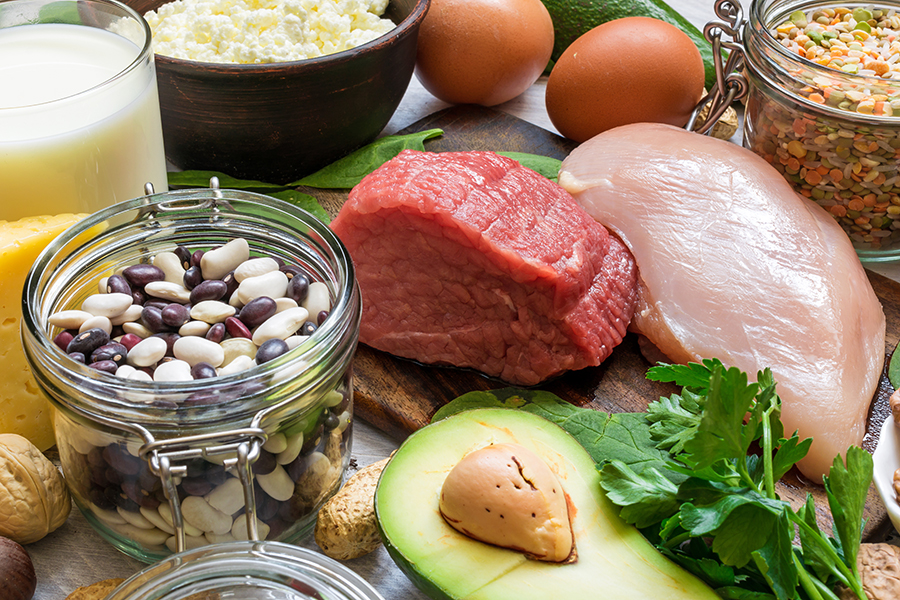
Vitamin B is bioavailable from a variety of both animal- and plant-based foods.
- Vitamin B1 (thiamine): beans, cauliflower, lentils, spinach, sunflower seeds, peas, nuts, beef, pork, whole grain enriched cereals
- Vitamin B2 (riboflavin): fruits, green leafy vegetables, fish, meats, dairy products, whole grain cereals and breads
- Vitamin B3 (niacin): cereal grains, milk, meat, tortillas, yeast
- Vitamin B5 (pantothenic acid): avocados, brown rice, broccoli, beans (except green beans), cashews, eggs, lentils, peas, whole grains, lean meats, poultry, fish
- Vitamin B6 (pyridoxine): garbanzo beans, potatoes, bananas, fish, chicken
- Vitamin B7 (biotin): bananas, cauliflower, carrots, liver, salmon, soy flour, cereals, yeast
- Vitamin B9 (folate or folic acid): fruits, leafy green vegetables
- Vitamin B12 (cobalamin): meat, eggs, milk, nutritional yeast
Could you have a vitamin B deficiency?
Signs of vitamin B deficiency can include fatigue, lowered immunity, pale skin, irregular heartbeat, shortness of breath, dizziness, hair loss, and skin rashes.
A healthy child or adult with a varied diet is unlikely to develop a vitamin B deficiency. But, prolonged stress can drain the body of vitamin B. In addition, the following conditions and behaviors can increase the risk of becoming deficient in vitamin B due to malabsorption:
- advanced age
- frequent use of antacids
- malnourishment
- taking certain types of birth control pills
- alcohol abuse
- certain kidney diseases
- gastrointestinal conditions (such as celiac disease or Crohn’s disease)
“When medical conditions impact the intestinal absorption of B vitamins, a gastroenterologist might recommend supplementation based on what form would be most beneficial for absorption,” Wilkerson says. “However, supplementation will not provide additional benefit if you’re not deficient in B vitamins.”buck, eat a well-balanced diet versus swallowing supplements. If you have frequent skin rashes, hair loss, shortness of breath, confusion or fatigue, you may want to request a blood test for vitamin B deficiency.
Dana Kantrowitz is a contributing writer for UMiami Health News. Reviewed by Nicole Wilkerson, MMN, RD, LD, clinical dietitian with UHealth in June 2026.
Originally published on: May 03, 2018
Tags: folic acid, Nicole Wilkerson, Nutrition, thiamine, vitamin B, vitamin b deficiency, vitamins

