How My Breast Cancer Diagnosis Changed My Sister’s Screening
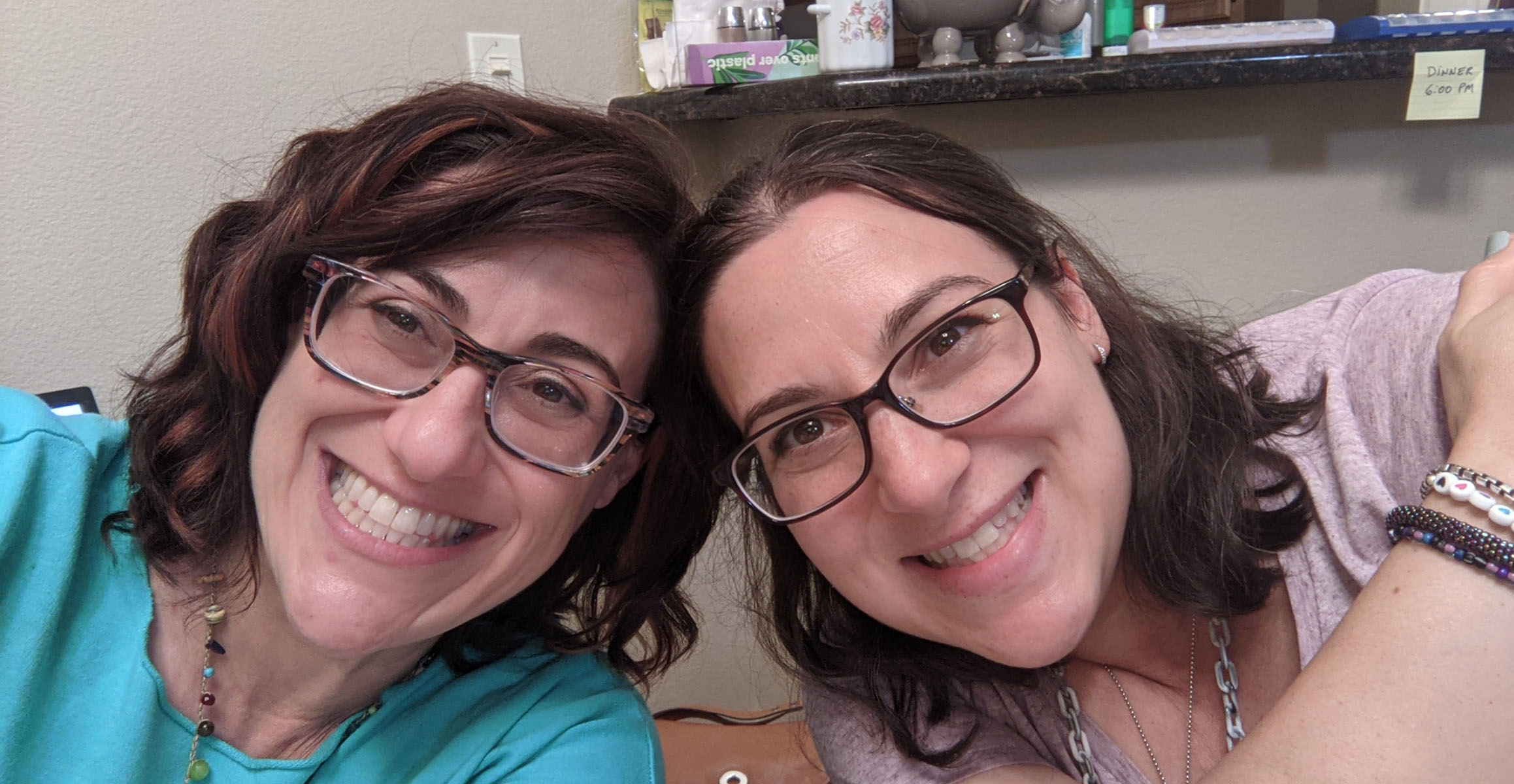
About a year after I was diagnosed with breast cancer, my younger sister, Ilyse, was waiting for the results of her own breast biopsy.
“The doctor said it was likely nothing,” she later told me. “I said to her, ‘Please don’t say that. I know you’re saying that to make me feel better, but it doesn’t, because that’s exactly what they told my sister.'”
Her biopsy was benign. But her story was a reminder of how profoundly my diagnosis had affected her.
When I was diagnosed with early-stage breast cancer at 49, I knew my life would change. What I did not fully appreciate was how much the diagnosis would reshape the way my family thought about health, risk and the future.
A special kind of support

Ilyse was one of the first people I called after learning I had breast cancer, just weeks after our mother’s death from ovarian cancer.
“You were matter-of-fact, just ripping off the bandage and telling me the situation,” she says. “We very quickly got down to what had to happen next.”
Both of us moved into problem-solving mode. We reviewed pathology reports, talked through treatment options and discussed what kind of help I might need. Because she lived far away, Ilyse became my “third set of ears” by speakerphone during oncologist appointments, listening carefully and helping me process information afterward.
“During mom’s cancer, we had become keenly aware that mom and dad didn’t always grasp what they were hearing during doctor’s appointments, and it was sometimes hard for us to know what was going on,” Ilyse says. “I appreciated that I heard exactly what you heard from the doctors, and we talked about it after.”
My cancer diagnosis became part of my sister’s story
When our mom was diagnosed with ovarian cancer, she had genetic testing that revealed no known genetic markers associated with increased reproductive cancer risks. After her diagnosis, Ilyse and I also had comprehensive genetic testing. Neither of us showed any known markers, either. Nothing changed in either of our breast cancer screening plans.
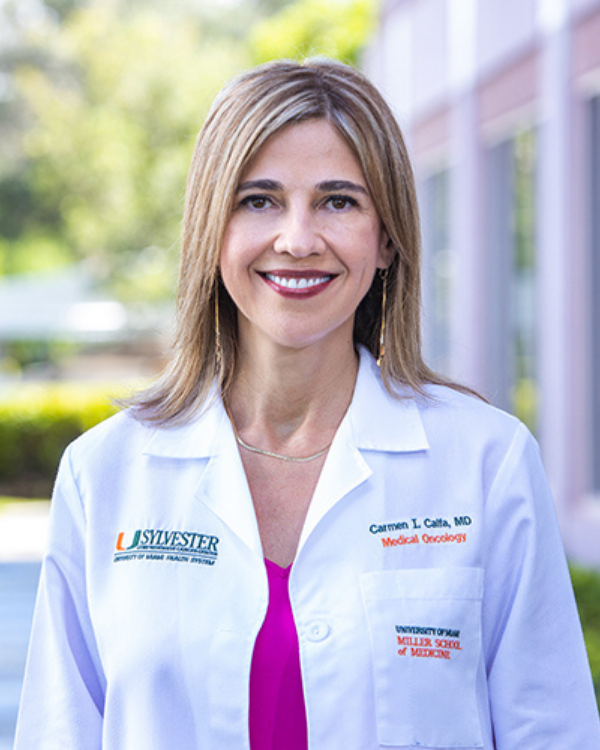
“It’s important to note that Ilyse and Rochelle’s mom had comprehensive genetic testing,” explains Carmen Calfa, M.D., a breast medical oncologist and researcher at Sylvester Comprehensive Cancer Center, part of UHealth. “If she had shown a known genetic marker, each of her children, as well as other first-degree relatives like siblings, would have had a 50% chance of having a mutation that would increase their cancer risk.”
Our mom’s test results meant that genetic testing wouldn’t necessarily be recommended for Ilyse and me. However, we’re of Ashkenazi Jewish heritage, which caused our physicians to recommend the testing.
“One in 40 Ashkenazi Jews are carriers of a mutation that puts them at higher risk for cancers, so testing is appropriate after counseling, even in the absence of other risk factors,” notes Dr. Calfa, who is also physician leader of Sylvester’s Genetic Predisposition Syndrome Program.
She explained that around 30% of patients diagnosed with breast cancer have a family history of the disease, and around 10% have genetic mutations linked to cancer.
Who Should Consider Genetic Testing for Inherited Cancer Risk?
Clinical guidelines recommend genetic testing for people whose personal or family history may suggest an inherited cancer risk.
- A close blood relative with a known inherited gene change linked to cancer risk
- Older or limited genetic testing who may benefit from newer, broader testing
- A personal or family history that suggests a possible inherited cancer syndrome
- A personal or family history of certain cancers, including breast, ovarian, pancreatic, prostate or colorectal cancer
- A gene change found during tumor testing when physicians need to determine whether it was inherited
- Situations where test results could help guide treatment or surgical decisions
Genetic counseling and testing may also be considered for:
- Individuals of Ashkenazi Jewish ancestry, even without other risk factors
- Individuals with a personal history of serous endometrial cancer
Talk with your health care provider or a genetic counselor about whether genetic testing is appropriate for you based on your personal and family history.
After my breast cancer diagnosis, I suggested, with what I think of as strong, big-sister energy, that Ilyse talk to her doctor about whether her breast cancer risk profile had changed. At her next appointment, she updated her doctor.
“Since I was last here, my mom died, and my sister has breast cancer,” she recalls saying.
To her credit, the doctor listened.
The conversation led to a referral to a breast health specialist, where Ilyse learned she had already been identified as someone at elevated risk, based on breast cancer risk assessment questionnaires and family history.
“I’d always seen that risk indicator,” Ilyse told me. “But I didn’t stop to think about what that meant or how it could change the course of screening.”
Ultimately, Ilyse and her care team decided she would continue annual mammograms and add an annual breast MRI six months after each mammogram.
“I didn’t know that there was a plan that puts you on screening every six months, and that it’s determined by those questionnaires,” Ilyse says.
Understanding personal breast cancer risk
While, on average, one in eight women will develop breast cancer during her lifetime, an individual woman’s risk can be estimated based on a variety of factors, including genetics and family history. Those at increased risk may opt for more frequent breast cancer screenings, as Ilyse and I have done. Others may opt for medication or surgery to reduce their cancer risk.
“Knowing your risk allows you the opportunity to make choices that can reduce your risk,” Dr. Calfa explains. “You may also modify lifestyle factors that affect cancer risks, like diet, exercise, smoking and alcohol intake.”
Like many mothers, Ilyse immediately began thinking about her own daughters and encouraged them to make sure their physicians understood their family history.
“You need to tell the doctor about these things,” she remembers telling her oldest daughter. “You’ll always have to make sure your doctor knows your family history.”
The message was not meant to alarm. It was about awareness.
“I see patients with breast cancer every day, and ideally we want to know any family cancer history, on either parents’ side of the family, going back two to three generations, if possible,” Dr. Calfa says. “All types of cancers matter. For example, a family history of prostate cancer can mean a woman is carrying a genetic mutation that puts her at higher risk for breast or ovarian cancer.”
Family medical history is not just information on a chart. It can help people ask better questions, advocate for themselves and make informed decisions.
Talking with Ilyse, I realized that cancer knowledge needs to be part of a family’s stories. It’s an opportunity for one generation to pass important information to the next, giving them important knowledge to navigate the future.
“This is about me, too”
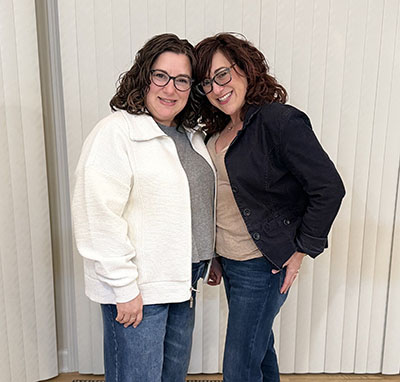
Shortly after Ilyse’s biopsy, with its normal results, she shared something with me: “That was the first time I really felt, ‘Oh wait, this is about me, too.'”
Her results were a relief. But the experience reinforced for me the importance of paying attention to cancer within your family. Ask questions so you can give your health care team as much information as possible about your family history and update them when things change.
If you have a cancer diagnosis, consider sharing the information with close family members, so they have a more complete family health history. Breast and ovarian cancers are just two of several types of cancer that can run in families. Personally, in addition to my sister, I shared my diagnosis with my five female first cousins, in case it could change their risk profiles.
“If there’s a strong family history of cancer and more limited genetic testing is negative, it may make sense to re-test with expanded panels,” Dr. Calfa says. “We have identified other genes responsible for cancers, well beyond BRCA. In addition to knowing your own cancer risk, young people may choose to use assisted fertility methods to stop the gene from being passed on.”
The truth is that most cancer diagnoses don’t have any relation to genetics or family history. One family member’s diagnosis does not automatically mean someone else’s path will be the same. But information is power, illness is nothing to be ashamed of and our conversations can be life changing.
For my sister and me, those conversations led to a clearer understanding of our family’s health history, a deeper appreciation for screening and a reminder that information itself can be empowering.
As Dr. Calfa says, “Knowledge is a gift that can be passed on — and it’s a gift that can save lives.”
Sylvester’s cancer risk questionnaire is a great place to start exploring your possible cancer risks. To learn more about genetic testing, visit Sylvester’s Genetic Predisposition Syndrome (GPS) clinic.
Written by Rochelle Broder-Singer. Reviewed by Carmen Calfa, M.D.
Tags: breast cancer early detection, breast cancer risk factors, breast cancer screening, early-stage breast cancer, family history of breast cancer, genetic testing, high-risk breast cancer screening, personalized breast cancer screening

