
Best Smoothies for Cancer Patients: Nutrition Tips During Treatment
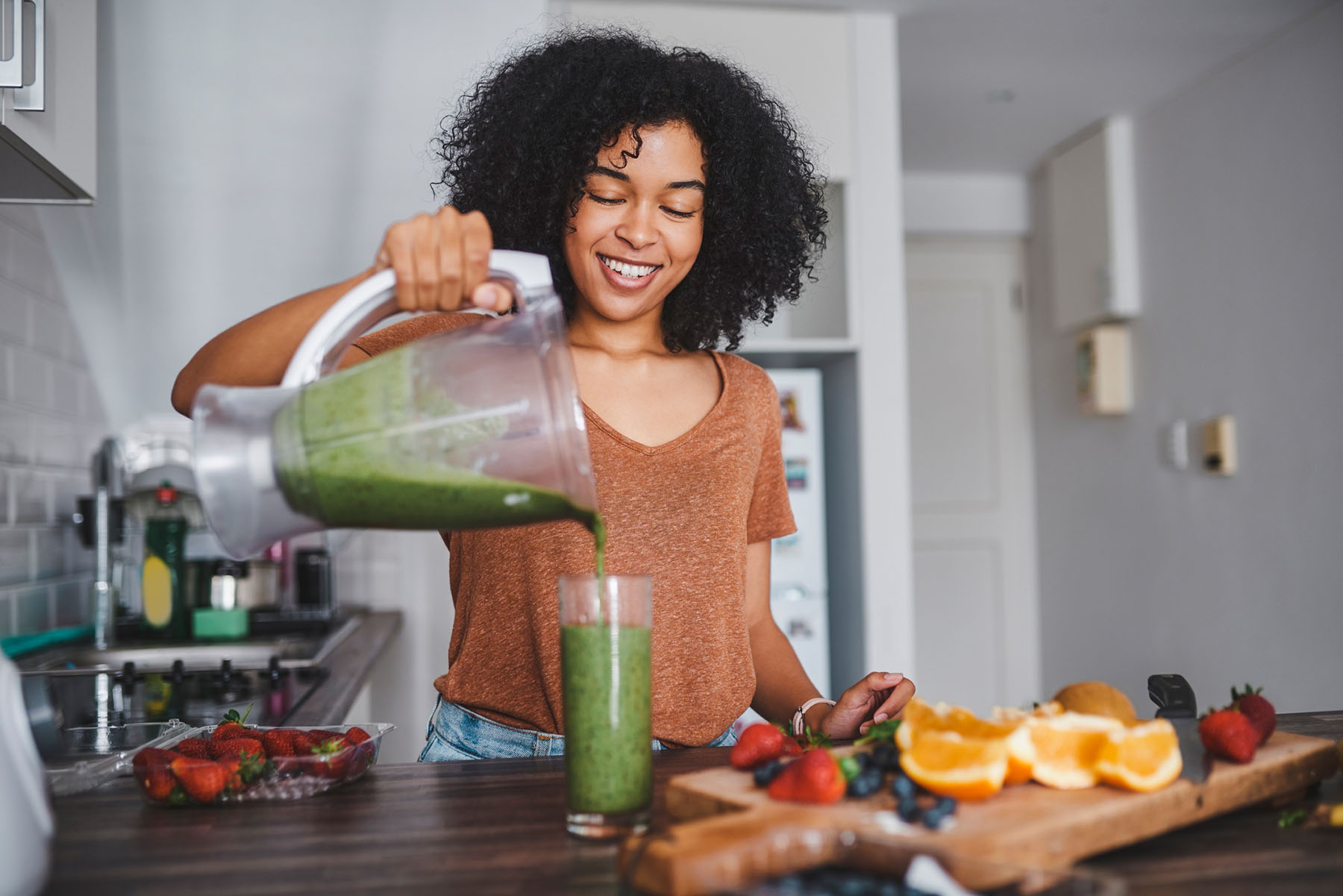
When cancer treatment makes eating difficult, a smoothie can be more than a refreshing snack. It can be an easy way to deliver calories, protein, healthy fats and nutrients in a form that may be easier to tolerate than solid foods.
“Drinking is often easier than eating when you’re dealing with mouth sores, fatigue, poor appetite, taste changes or difficulty chewing,” says Paola Rossi, M.D., M.S.Ed., director of the clinical program in lifestyle medicine at Sylvester Comprehensive Cancer Center, part of UHealth—University of Miami Health System. “A smoothie can help patients get nutrition in when eating a full meal feels overwhelming.”
No smoothie can prevent or cure cancer. But thoughtfully built smoothies can support hydration, energy and overall nutrition before, during and after treatment. They also can help patients follow a common recommendation during treatment by eating smaller amounts more often.
Why smoothies can help during cancer treatment

Treatment side effects can make chewing, swallowing or finishing a meal difficult. Smoothies can be served in small portions and sipped slowly, which may feel more manageable on days when appetite is low.
Unlike juice alone, a smoothie made with whole fruits and vegetables can provide fiber. With the right add-ins, it can also include protein and healthy fats, which are important for maintaining strength and avoiding malnutrition during treatment.
“When people aren’t able to eat enough, that can have a significant impact on recovery and quality of life,” Dr. Rossi says. “During treatment, the goal is not perfection. The goal is staying nourished.”
Why are smoothies effective for cancer patients?
Fruits, vegetables, legumes, nuts and seeds contain phytochemicals, naturally occurring plant compounds that have antioxidant and anti-inflammatory properties. These compounds are one reason experts recommend a diet rich in colorful plant foods.
Dr. Rossi recommends focusing less on one miracle ingredient and more on variety. Berries, leafy greens, seeds, legumes and spices such as ginger, cinnamon and cloves can all contribute beneficial compounds. Fiber also matters. Higher-fiber diets may support overall health and are being studied for their role in treatment response, including immunotherapy. For most people, the goal is about 30 grams of fiber a day, but patients should ask their care team what is right for them.
Smoothie do’s and don’ts
Do
- Use whole fruits and vegetables to keep fiber in the glass.
- Add protein, such as peanut butter, Greek yogurt, milk, powdered milk or hemp seeds.
- Use frozen fruits and vegetables. They are convenient and nutritious.
- Experiment with ginger, mint, cinnamon, cloves or citrus for flavor and symptom support.
- Listen to the body. On hard nausea days, hydration may be the first priority.
Don’t
- Assume every bottled smoothie or juice is healthy. Check labels for added sugars.
- Let food rules become so restrictive that adequate calories become harder to get.
- Serve a large glass when someone is nauseated or overwhelmed. Start small.
- Believe social media myths that blending fruit destroys its nutrition.
- Rely on smoothies alone once whole foods are tolerated again.
When nausea strikes
For nausea or taste changes, smaller servings are often better.
“We eat with our eyes first,” Dr. Rossi says. “A huge smoothie can feel overwhelming. A small glass is much more manageable.”
Cold or frozen ingredients may be better tolerated than warm foods. Ginger and mint can be soothing, and sipping slowly can help. On difficult days, plain hydration may come first. Water with lemon, ginger or citrus can be a useful option when a full smoothie feels like too much.
A practical approach
For patients navigating cancer treatment, the best smoothie is the one they can tolerate. Some days that may mean a balanced smoothie with berries, spinach, peanut butter and milk. Other days, it may mean a few sips of citrus water.
“A smoothie can be a tool,” Dr. Rossi says. “It’s a way to get nutritious foods into your day when eating is difficult.”
The structure of the perfect smoothie
Step 1: Flavor from fruits
- 4 frozen strawberries
- 1/4 cup frozen blueberries
- 1/2 frozen banana
Begin your smoothie with the vibrant flavors of fruit. Strawberries, blueberries and banana provide natural sweetness, antioxidants and a creamy texture, laying the groundwork for a delicious blend.
Step 2: Additional nutrition from veggies and seeds
- 2 cups spinach
- 4 baby carrots
- 1 tbsp. flax seeds
- 1 tbsp. chia seeds
After establishing the flavor base, layer in spinach and carrots for fiber, vitamins and minerals. Add flax, chia and hemp seeds for extra omega-3s, fiber and plant nutrients. These ingredients elevate the smoothie’s nutritional value.
Step 3: Protein from yogurt and seeds
- 1/2 cup Greek yogurt
- 1 tbsp. hemp seeds
- Optional: 1 tbsp. peanut butter for extra creaminess and protein
Boost your smoothie with protein-rich Greek yogurt and hemp seeds. If you prefer, a spoonful of peanut butter adds depth and additional protein.
Step 4: Milk as binder
3/4 cup milk (dairy or unsweetened plant-based)
Assembly
- Add fruits to the blender.
- Layer in spinach, carrots and seeds.
- Add Greek yogurt and hemp seeds (plus peanut butter if desired).
- Pour in milk.
- Blend on high until smooth. Adjust thickness with milk as needed.
Tips for a Balanced Smoothie
- For a thicker smoothie, use more frozen fruit or yogurt.
- Let the smoothie sit for a minute after blending so seeds can absorb liquid and thicken naturally.
Reviewed by Paola Rossi, M.D., M.S.Ed.
Tags: cancer nutrition, Cancer survivorship, cancer treatment, Dr. Paola Rossi, nutrition for cancer survivors, Sylvester Comprehensive Cancer Center

