
Staying Active After Cancer: 5 Survivor Tips for Strength, Healing, and Hope
When you prioritize staying active, both mind and body reap the rewards. That’s true for everyone, especially cancer survivors. We spoke with four survivors about how they stay busy and keep moving throughout their cancer journeys. Here’s the advice they offer.
Just as Rome wasn’t built in a day, healthy habits take time to develop.
1. Survivors can stay active and set themselves up for success by building accountability into their routines.
“I see other people being disciplined and staying motivated, but I find that hard to do,” says Irina Dumitrescu, a breast cancer survivor. “I need strategies to keep myself accountable.”
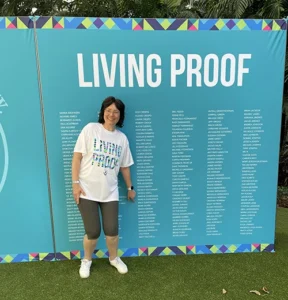
Dumitrescu says it’s easy to tell herself she’ll do something later and then not do it at all.
Group exercise classes didn’t work for her, so she chose one-on-one appointments through exercise physiology and yoga services at the Sylvester Survivorship and Supportive Care Institute at Sylvester Comprehensive Cancer Center, part of UHealth — University of Miami Health System. With regular participation, her frozen shoulder improved dramatically.
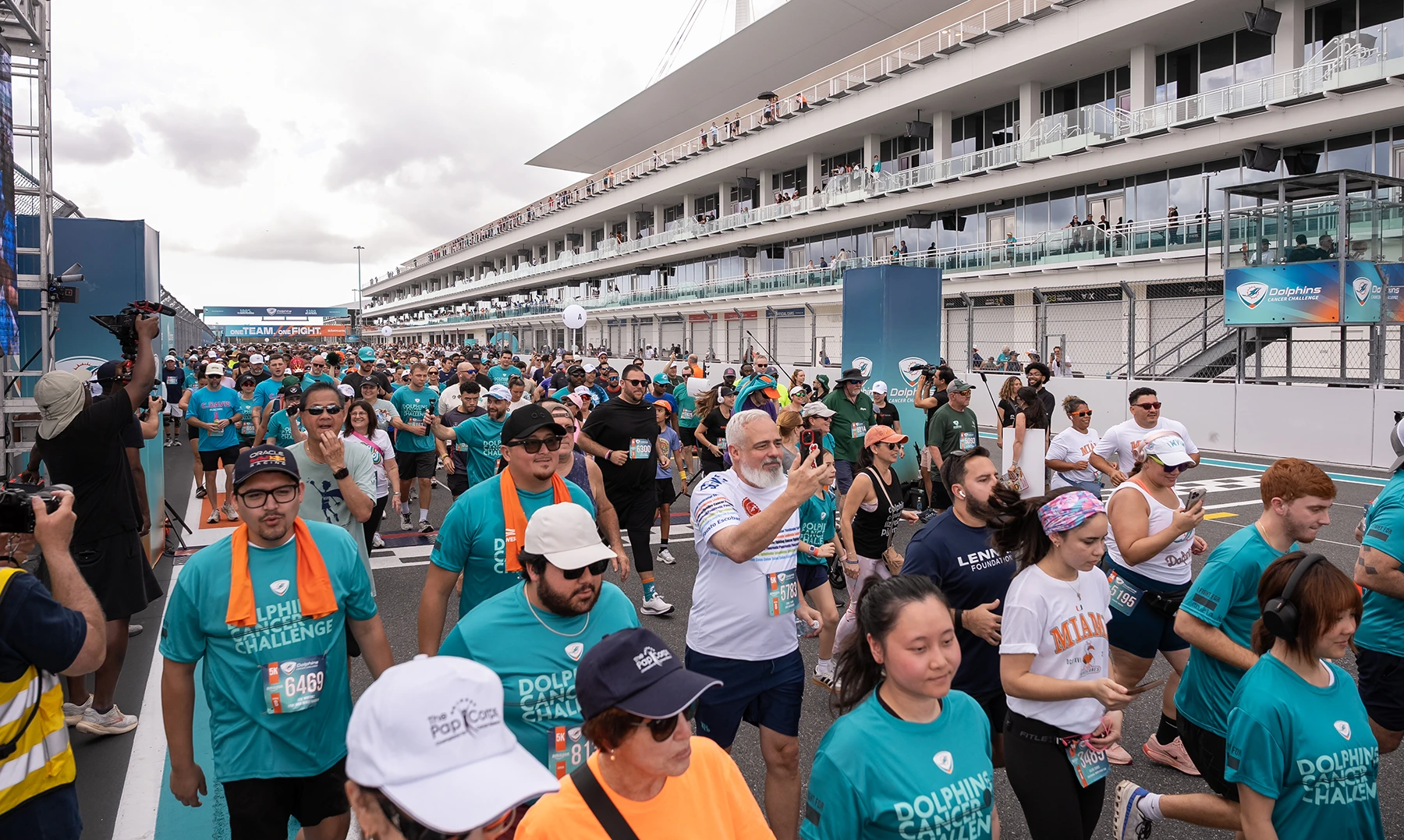
She also participates in Sylvester’s Believe in You program, which organizes weekly walks to prepare survivors for the annual Dolphins Cancer Challenge (DCC). DCC is an annual run, walk, and biking event at the Hard Rock Stadium in Miami Gardens, Fla. It’s the NFL’s largest fundraising event and was founded in 2010 by the Miami Dolphins to support cancer research at Sylvester.
Another strategy? Set alarms.
“When the alarm rings, I drop everything and do what I need to do, whether it’s drinking water or doing cardio,” Dumitrescu says.
For brain cancer survivor Irene Morales, accountability begins with getting out of her head.

“I was so weak from proton therapy and radiation, it was hard to do anything,” Morales says. “I don’t know how I did it, but I would get up from my bed and walk around the house, just to motivate myself to get out of what I call a ‘droopy’ mindset. The only person who could get me out of that mindset was me.”
She adds that while much of her experience is beyond her control, movement is not.
“I needed to focus on what I could control: I can get up, I can walk, I can move,” Morales says.
Jodi Roberts, who was diagnosed with lobular carcinoma in situ, a type of breast cancer, says accountability can start with small, repeatable actions.

She suggests planning the same activity at the same time each day, such as a short walk or stretching session, and focusing on consistency before increasing duration or intensity. She also emphasizes making room for joy.
“Balance those heavy days of treatment or mental health appointments with 10- to 30-minute sessions of something you love afterward,” Roberts says.
Starting can be the hardest part, especially when fatigue or overwhelm sets in. When that happens, think of Rome.
2. Work within your limitations and not against them.
Many people find they can’t do the same activities during or after treatment that they could before cancer. In those moments, the goal is simply to stay active in whatever ways are possible. Don’t push beyond physical limits, and adjust intensity as needed.
Dumitrescu recalls reading that even 11 minutes on the elliptical can provide a meaningful cardiovascular benefit, so that becomes her initial goal.
“When I first started exercising again, I couldn’t even do two minutes on the elliptical,” she says.
Her instructor encourages her to add a little more time each day until she reaches the 11-minute mark. Now, 11 minutes is her minimum, and she often exercises for 30 minutes or more.
“Once I hit that 11 minutes, the pressure is off,” Dumitrescu says. “Anything after that feels like a bonus.”
3. Understand that normalcy follows the chaos.
Dioron Ong, a Hodgkin lymphoma survivor, has always been active but faces new challenges after experiencing complications from a stroke.
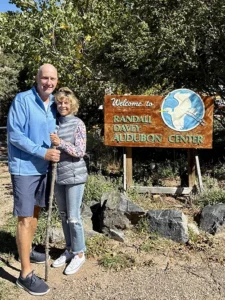
“At one point, I wasn’t able to walk,” Ong says. “My husband had to carry me everywhere until I could use a walker.”
She also developed neuropathy in her foot. Knowing movement is essential, she added yoga to her routine and eventually reached a level where she could practice three times a week. Over time, her neuropathy resolved, and her mobility improved.
Today, Ong and her husband enjoy traveling, hiking, long walks on the beach and visits to farmers’ markets.
“I would say there is a normality at the end of all the chaos,” Ong says. “It will be a new normal. Every day brings new challenges, but there are also wonderful surprises.”
4. Find a community that keeps you going.
“Community is so important, especially after cancer,” says Morales, a four-time DCC participant. “The Believe in You community is amazing. Whether someone is newly diagnosed or post-cancer, we all relate to one another.”
“Through Believe in You, survivors are re/ed that every walk, every healthy choice and every step forward matters,” said Tracy Crane, Ph.D., RDN, director of lifestyle medicine, prevention and digital health at Sylvester. “This program reflects what we know to be true in lifestyle medicine: healthy living is not just about adding years to life, but helping survivors feel stronger, more connected and better able to live fully today.”
Roberts also participates in Believe in You’s online classes, walks and events and describes her experience at this year’s DCC as uplifting.
She says she also finds community in unexpected places. While navigating long-term health challenges with limited personal support, she spends much of her time attending medical appointments, which takes a toll on her mental health. Over time, she develops meaningful connections with Sylvester staff.
“I needed help, and they could see that,” Roberts says.
She becomes involved in private and group yoga, art therapy, music therapy, acupuncture, exercise and medical massage, all of which are offered at Sylvester. While not all of these activities elevate her heart rate, they strengthen the mind-body connection, which is essential for overall well-being.
“I’m learning new ways to regulate my nervous system and to go at my own pace,” she says.
5. Be patient with yourself and get creative.
Staying active during cancer survivorship helps sharpen mental focus and reduce treatment-related symptoms and pain. That doesn’t mean becoming a triathlete overnight. Progress happens gradually.
The American Cancer Society recommends building up to 150-300 minutes of moderate-intensity activity or 75-150 minutes of vigorous-intensity activity per week, along with strength training at least two days a week. For many survivors, these goals take time and patience.
During periods when movement is limited, hobbies can help rebuild a sense of self while keeping the body engaged. Dumitrescu, Morales, Ong and Roberts each find joy through activities such as gardening, cooking and spending time with animals. They also participate in free services, including music therapy, through the Survivorship and Supportive Care Institute.
“Listen to the cues of your body,” Roberts says. “We have to give ourselves grace on those hard days.”
For these four survivors, staying active isn’t just about exercise.
It’s about finding joy, cultivating peace and continuing to move forward, a lesson worth remembering.
“At the Sylvester Survivorship and Supportive Care Institute, staying active is central to our mission. We see every step, stretch, and walk our survivors take throughout their treatment journey,” said Frank J Penedo, Ph.D., institute director and Sylvester DCC Living Proof Chair in Cancer Survivorship. “Our mission involves providing exceptional, evidence-based programs, from one-on-one exercise and yoga to group walks and wellness coaching within our clinics and at our communities, in addition to psychosocial and integrative therapies. We continuously strive to improve function, manage symptoms, and truly live well beyond cancer.”
Please consult your health care team before starting or changing an exercise routine.
Written by Cara Tremols.
Tags: exercise during cancer treatment, lifestyle medicine for cancer survivors, movement after cancer treatment, survivorship support programs, Sylvester Comprehensive Cancer Center

