
When the Oncologist Becomes the Caregiver
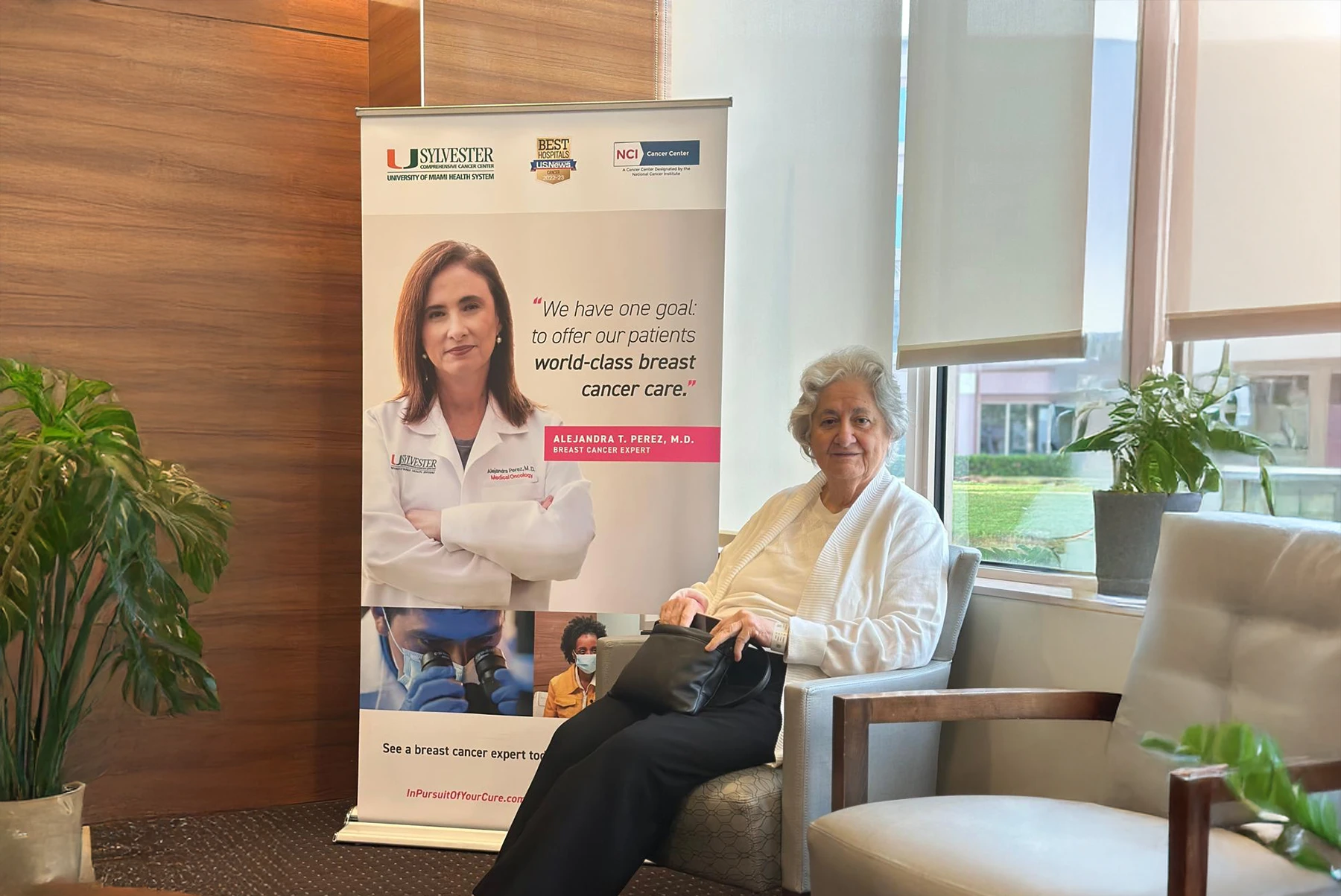
A breast cancer specialist reflects on her mother’s diagnosis, and how experiencing cancer from the family side changed her approach to patients and care.
I have spent more than two decades as a breast oncologist, caring for women at every stage of the breast cancer journey. I have delivered a breast cancer diagnosis, explained treatment options and walked patients through fear, uncertainty and hope. I know the statistics. I know the science. I know what usually comes next.
Or at least, I thought I did.
Like many physicians, I did not begin my career planning to specialize in breast cancer. Early in my training, I was drawn to hematology. I loved the science of blood disorders and leukemia. But during the final year of my fellowship, a senior physician invited me to spend time in his breast cancer clinic. It was an unexpected opportunity … and one that changed everything.
Breast cancer care is deeply personal. It affects not only the body, but identity, family and sense of self. The research was advancing quickly, but so was our understanding of the emotional experience patients carry with them. I realized this was where I could make the greatest impact. That decision was made 25 years ago.
Seeing progress, and then seeing it differently
Since then, I have cared for thousands of women in my community. I have watched breast cancer survival rates rise dramatically. I have seen progress that once felt unimaginable. From an oncologist’s perspective, the field has changed in extraordinary ways.
But nothing reshaped my understanding of breast cancer like my mother’s diagnosis.
She called me one day and said she had pain in her left breast. She was nearly 80 years old. Breast pain is not always cancer, but it is never something to ignore. I told her to come to my office that same day. She had a mammogram. I reviewed the images. I knew immediately that something was wrong.
When the patient is your mother
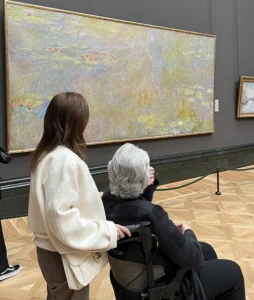
I do this every day. I evaluate imaging. I guide patients through the next steps after a concerning finding. But when the patient is your mother, everything feels different. Time slows. The room feels heavier. The reality of a breast cancer diagnosis lands in a way it never has before.
We did a biopsy that afternoon. The next day, the diagnosis was confirmed: early-stage breast cancer. A good prognosis. These are words I have said countless times to patients and families. But hearing them applied to my own mother was entirely different.
My mother’s care moved quickly with surgery and radiation followed. She is now on hormonal therapy and doing well. I am profoundly grateful for my colleagues, who provided her with expert, compassionate care.
The weight of waiting
For many patients, the most difficult part of a breast cancer diagnosis is waiting:
- waiting for test results
- waiting for appointments
- waiting to begin treatment
Anxiety grows in those spaces. Even with everything moving quickly for my mother, I saw how stressful that waiting can be. It changed the way I think about time in cancer care.
Sitting on the other side of the desk
Sitting beside my mother during appointments was another powerful shift. I was no longer the physician on one side of the desk. I was a daughter and caregiver, listening to information I already knew, but hearing it through an entirely different lens.
I watched her face. I wondered what she understood, what overwhelmed her and what she was afraid to ask. My mother is highly educated and accomplished, yet when it came time to make decisions, she didn’t want to. She wanted reassurance. She wanted guidance. She wanted someone to walk the path with her.
That caregiver experience reinforced something I now carry into every patient visit: people do not just need information. They need presence.
The small things that matter most
There are also the small, everyday challenges that rarely come up in medical conversations. After breast cancer surgery, tasks like showering, getting dressed or preparing meals can be difficult. Putting on a bra can be painful. Fatigue affects daily life.
As a daughter, I helped with all of it. As an oncologist, I now ask about it.
Who is helping you at home? Who will drive you to appointments? Who will cook for you? These are not minor details. They shape recovery and quality of life. Breast cancer does not affect only the patient; it affects the entire family.
What patients and families truly need
My medical training helped me understand my mother’s prognosis, but it also meant knowing everything that could go wrong. When you are both a physician and a caregiver, knowledge can be a double‑edged sword. You understand the risks, the complications and the long-term fears, including fear of recurrence.
What grounded me then and continues to guide my work is a reminder often attributed to Hippocrates: Cure sometimes. Heal often. Support always.
That is the heart of oncology. Whether the goal is cure or control, whether the outcome is certain or uncertain, our role is to stay present. To guide. To support. To walk alongside patients through their breast cancer journey.
Carrying the experience forward
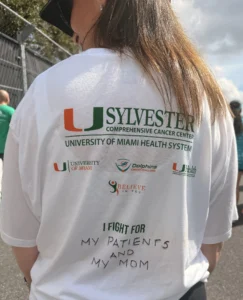
Today, I strive to care for my patients the way my team cared for my mother, with urgency, empathy and humanity. I try to minimize waiting when possible. I listen more closely. I pay attention to the emotional and practical realities of a breast cancer diagnosis.
Breast cancer changed my life in many ways; first as a physician, and later as a daughter and caregiver. It reminded me that even with decades of experience, there is always more to learn from the patient’s perspective.
And it reaffirmed why I chose this work: not just to treat disease, but to stand with people during one of the most vulnerable moments of their lives.
Tags: breast cancer caregiver experience, breast cancer family impact, breast cancer journey, cancer caregiver support, cancer empathy in care, Dr. Alejandra Perez, oncologist personal story, Sylvester Comprehensive Cancer Center

