
Colonoscopy Prevents and Detects Colorectal Cancer
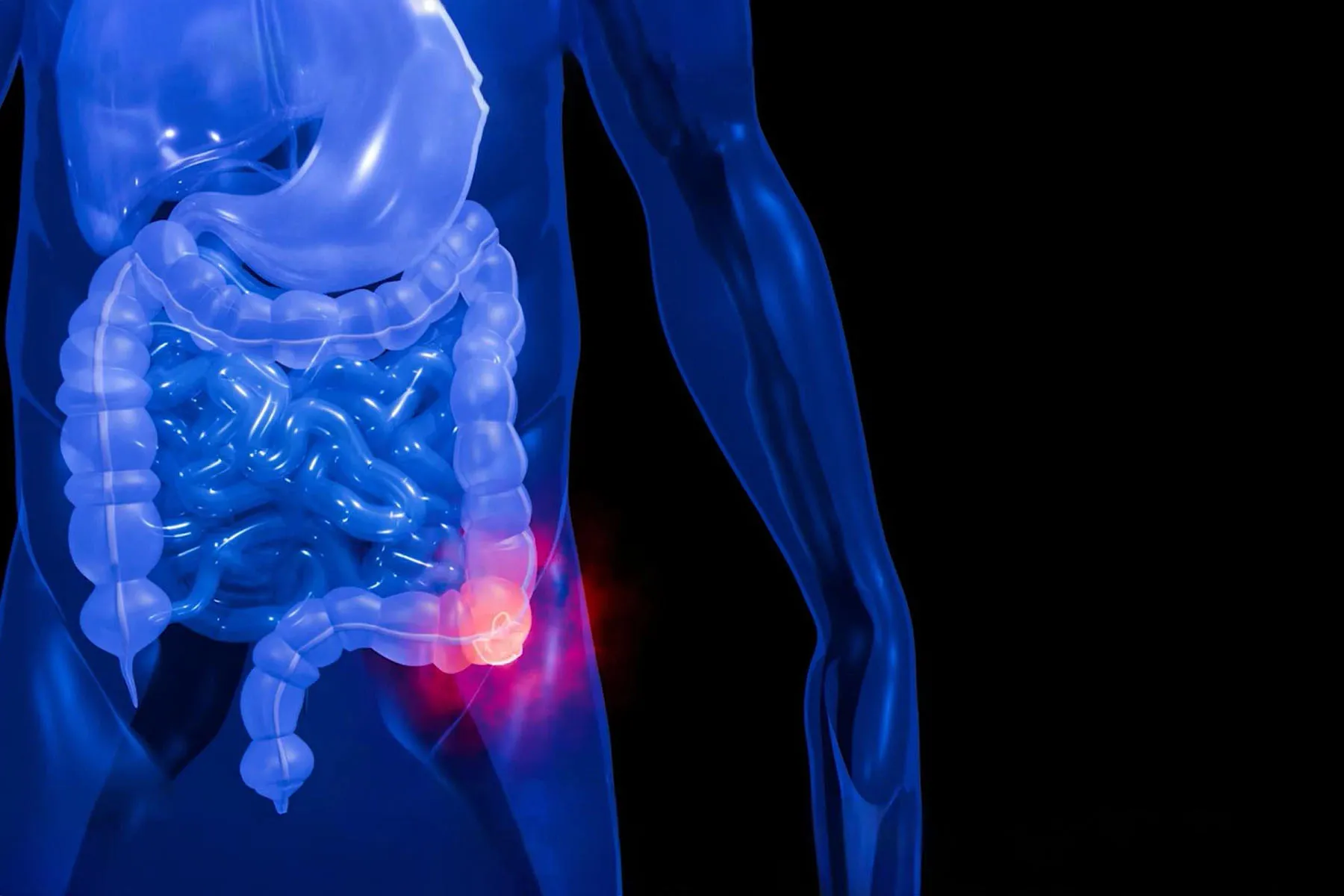
Although preventable, colorectal cancer is one of the most common types of cancer among Hispanic people and one of the leading causes of death in this population. This reality underscores the importance of preventive education and early detection in these communities.
Marcelo Blaya, M.D., a medical oncologist with Sylvester Comprehensive Cancer Center specializing in gastrointestinal and breast cancers, emphasizes that many cases of colorectal cancer in the Hispanic community are diagnosed at more advanced stages, partly due to fear and lack of information about the importance of screenings.
“It is one of the types of cancer for which we have screening tests,” the oncologist says.
Dr. Blaya aims to demystify the colonoscopy, the procedure that screens for gastrointestinal diseases such as colorectal cancer: “It is a quick exam, it takes approximately 30 minutes, it is performed under anesthesia, and it does not cause pain.” He also explains that the preparation for the procedure has improved significantly compared to previous years and is now much easier to tolerate.
This disease often begins silently. The colon plays a fundamental role in the body, as it is responsible for reabsorbing water during the digestive process. However, because it is a hollow organ, lesions can often grow without causing symptoms.
“A person can have a lesion that does not cause any symptoms, and it is there growing,” Dr. Blaya warns. That is why it is crucial not to wait for warning signs before getting screened.
Although there are symptoms associated with colorectal cancer—such as weight loss, fatigue, blood in the stool, or changes in bowel habits—they usually appear in more advanced stages.
Dr. Blaya says that a colonoscopy can not only diagnose colorectal cancer, but it can also prevent it by detecting abnormal growths called polyps that can then be removed during the same procedure.
“By detecting polyps before they become cancer, we are actively preventing the disease.”
Currently, it is recommended that adults receive their first colonoscopy at age 45. For individuals with risk factors, such as a family history of colorectal cancer or inflammatory bowel disease, screening should begin earlier.
Dr. Blaya also highlights the key role of healthy habits in the prevention of colorectal cancer. “There are ways to prevent it through lifestyle changes, such as following a balanced diet rich in fruits, vegetables, and fiber; reducing the consumption of red meat; exercising; maintaining a healthy weight; and avoiding tobacco and excessive alcohol use.”
At Sylvester Comprehensive Cancer Center, this exam is available at multiple locations, including Downtown Miami, Doral, Coral Gables, and North Miami, making it more accessible to the community.
For more information, call 305-243-8644 or visit sylvester.org/colonoscopy
Article and video written and produced by Shirley Ravachi for “Cuidando Su Salud,” a series of health-related stories regularly aired on Telemundo 51. For more stories like this, visit the Sylvester Comprehensive Cancer Center YouTube Channel.
Tags: colon polyps, colonoscopy, colonoscopy screening age 45, colorectal cancer in Hispanics, colorectal cancer prevention, colorectal cancer screening, Dr. Marcelo Blaya, early detection of colorectal cancer, gastrointestinal cancer prevention, Hispanic health, Miami cancer care, Sylvester Comprehensive Cancer Center

