
How Do Microplastics Impact Your Health?
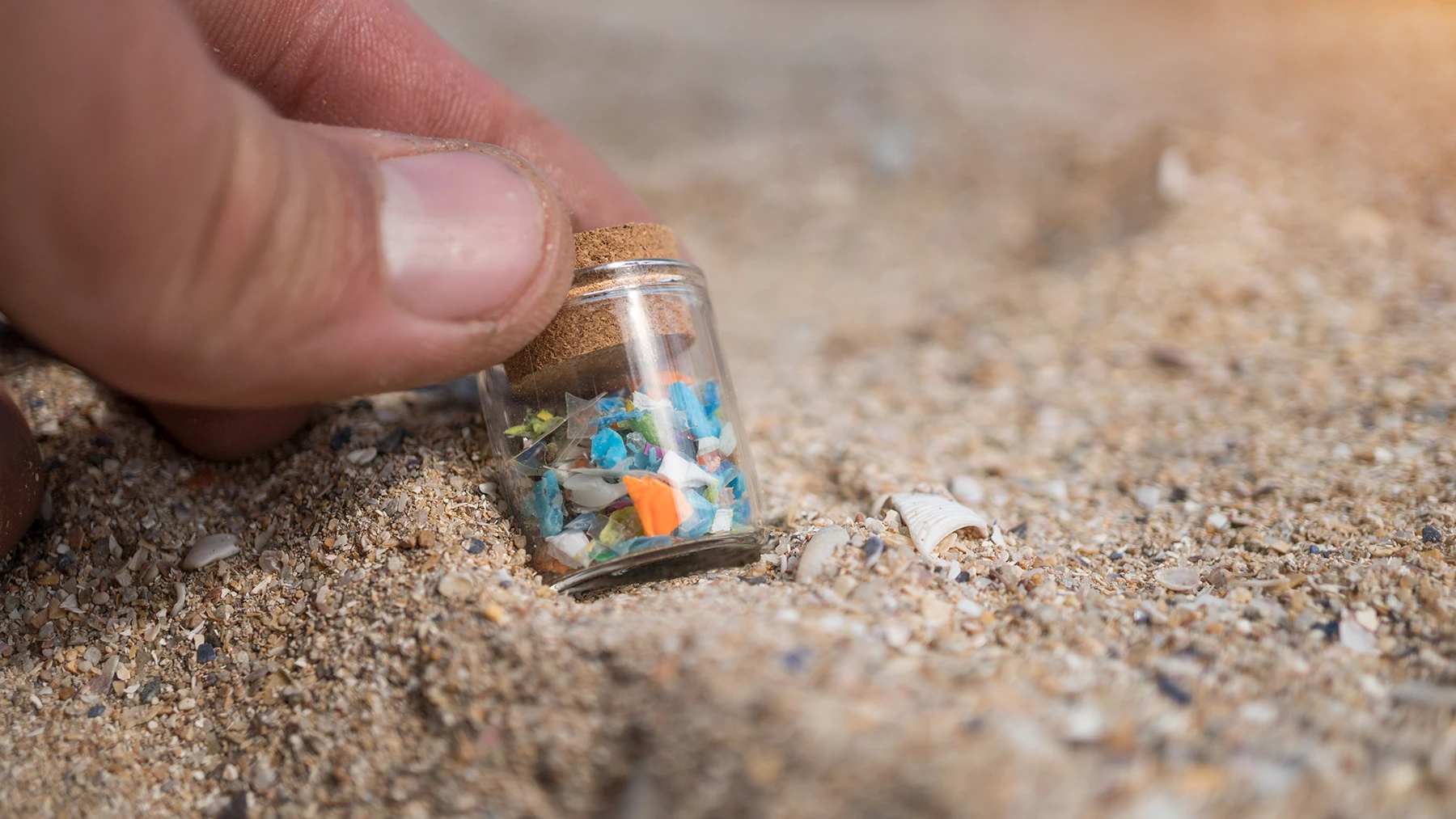
Microplastics are tiny particles of plastic that have splintered off from larger plastic products. These fragments are contaminating our air, water, food sources, and wildlife. They’ve even been found within the human body and brain. Scientists and researchers around the world are working to understand how this form of pollution affects human health and to find ways to reduce our exposure to microplastics in the modern world.
At the University of Miami Health System, urologist Raveen Syan, M.D. and Tiffani Janae Houston, M.D., Ph.D., an internal medicine and pediatric specialist, are among a growing number of doctors and researchers studying the health risks associated with microplastics.
Microplastics may interfere with a healthy pregnancy.
Research suggests that microplastics can impact cellular, tissue, and organ health in a dramatic way. On a cellular level, studies indicate that hormonal levels and endocrine systems are disrupted. On an organ level, there appears to be a relationship between inflammation and possible carcinogenesis (cancer-causing), says Dr. Syan, who is studying how microplastics may alter female reproductive health.
“While the exact impact on humans is not yet known, we do know that microplastics are present in our circulatory system (blood), urine, solid organs, and in tumor tissues,” she says. “The concern is that these microplastics may be causing inflammation, disruption of normal physiologic function, and possible increased cancer risk.”
Dr. Houston and her colleagues are looking at the potential links between microplastics and preeclampsia, a condition that raises blood pressure and increases protein in the urine during pregnancy. “Preeclampsia is one of the main causes of infant mortality and complications for mothers at the end of pregnancy, during delivery, and postpartum,” she says.
“Our hypothesis is that exposure to microplastics is leading to an inflammatory environment in the vagina that’s disrupting the vaginal microbiome (healthy and dangerous bacteria),” Dr. Houston says. “We’re trying to see if there is any link between that inflammation within the vagina and the disruption of the microbiome that is causing the development of preeclampsia. There is a link between inflammation and preeclampsia, and there is a link between high blood pressure and microplastics causing inflammation, but the link between all three is not yet known.”
At this stage in the global study of microplastics, researchers are finding correlations between microplastics and various inflammatory health conditions. “But, from what I understand,” Dr. Houston says, “there are only a handful of molecular analyses that have been able to identify inflammatory pathways that affect cell signaling — like my work with the microbiome — from the source of microplastics.”
Microplastics research in Miami
Because of Miami’s large and diverse resident and tourist community, it’s an ideal place to conduct public health research that reflects various ages, ethnicities, and socioeconomic populations.
“We’re able to reach a huge, diverse sample that essentially reflects the global population, which is pretty novel for translational research,” Dr. Houston says.
“With the higher rain levels that we’ve been seeing and more hurricanes that we’ve been having, the potential for exposure to microplastics in contaminated soil increases,” she says. “Our research explores the potential increased public health impact of these microplastics because of the changes to our local weather patterns.
“My primary concern is that we don’t know enough about the impact microplastics can have on human health. We are incredibly behind in the investigative models,” Dr. Houston says. “At the very least, we are five to 10 years from significantly understanding this. The rate at which plastics are being produced and introduced into the market has surpassed the progress that we, the global scientific and medical community, have been able to accomplish.”
“The best thing to do,” Dr. Syan says, “is reduce your exposure to plastics by both personal habits and globally trying to use materials other than plastic, especially biodegradable products.”
How to reduce your exposure to microplastics.
- Reduce use of or avoid bottled water. Instead, choose reusable bottles made of stainless steel, glass, or plant-based materials.
- Filter your tap water. Use an NSF/American National Standards Institute–certified filter to reduce microplastics.
- Avoid storing food in plastic, even BPA-free plastics.
- Avoid microwaving, heating, or boiling food or water in plastic, including those that are microwave-safe.
- Wash plastic food and beverage containers by hand, rather than in the dishwasher (due to high temperatures).
- Avoid single-use plastics for food and drinks, and if you do use them, don’t reuse them for food/drinks. These products include plastic bottles, bags, and drinking straws.
- Avoid plastic cutting boards. Instead, use plastic alternatives like glass containers, cloth bags, metal cutlery, and metal or plant-based straws. Silicone products (like cooking utensils, baking containers, and straws) can degrade from exposure to high temperatures and with wear and tear (friction and repeated use), causing the material to break into smaller pieces and contaminate food and water. But, silicone does not degrade into microplastics as easily as petroleum-based plastics do.
- Reduce dust in your home’s air (dust contains microplastics). Use an air purifier, replace A/C filters regularly, vacuum and wipe up dust instead of sweeping or using a duster brush (that can kick dirt into the air).
- Wash your hands before you eat, as they may have had contact with dust and other sources of microplastics.
- Avoid seafood that is high in microplastics (shellfish and bottom-feeding fish).
- Avoid processed foods because they are typically packaged in plastic.
- Wash fruits and vegetables thoroughly before eating.
- Wash synthetic clothing in cold water and use a low-sudsy detergent.
- Consider using a microplastic filter in your washing machine.
- Avoid personal care products with plastic microbeads (like face and body scrubs).
- Avoid synthetic fibers in clothing and bedding. Instead, buy items made of cotton, wool, and bamboo fibers.
- Use nitrile or latex disposable gloves instead of vinyl gloves (which are made from plastic).
- If possible, avoid living and working near known contamination sites caused by landfills or industrialization plants. Chemical byproducts can seep into the soil or water systems.
“There also needs to be significant local, federal, and global policy changes,” Dr. Houston says. “My work and the work of my colleagues aims to find evidence to support the correlations that we’re seeing between microplastics and cancers, autoimmune disorders, and other conditions like preeclampsia. That way, we can have some molecular evidence to hopefully influence policies to keep us all safe.”
Make an Appointment with the Urology Experts at UHealth Solé Mia
Dr. Syan is part of a team of urologic experts seeing patients at the newly-opened UHealth Solé Mia facility in North Miami.
Written by Dana Kantrowitz.
Tags: Dr. Raveen Syan, Dr. Tiffani Janae Houston, Inflammation and health, Microplastics research studies, Reproductive health risks

