
Does Sweating Help You Lose Weight?
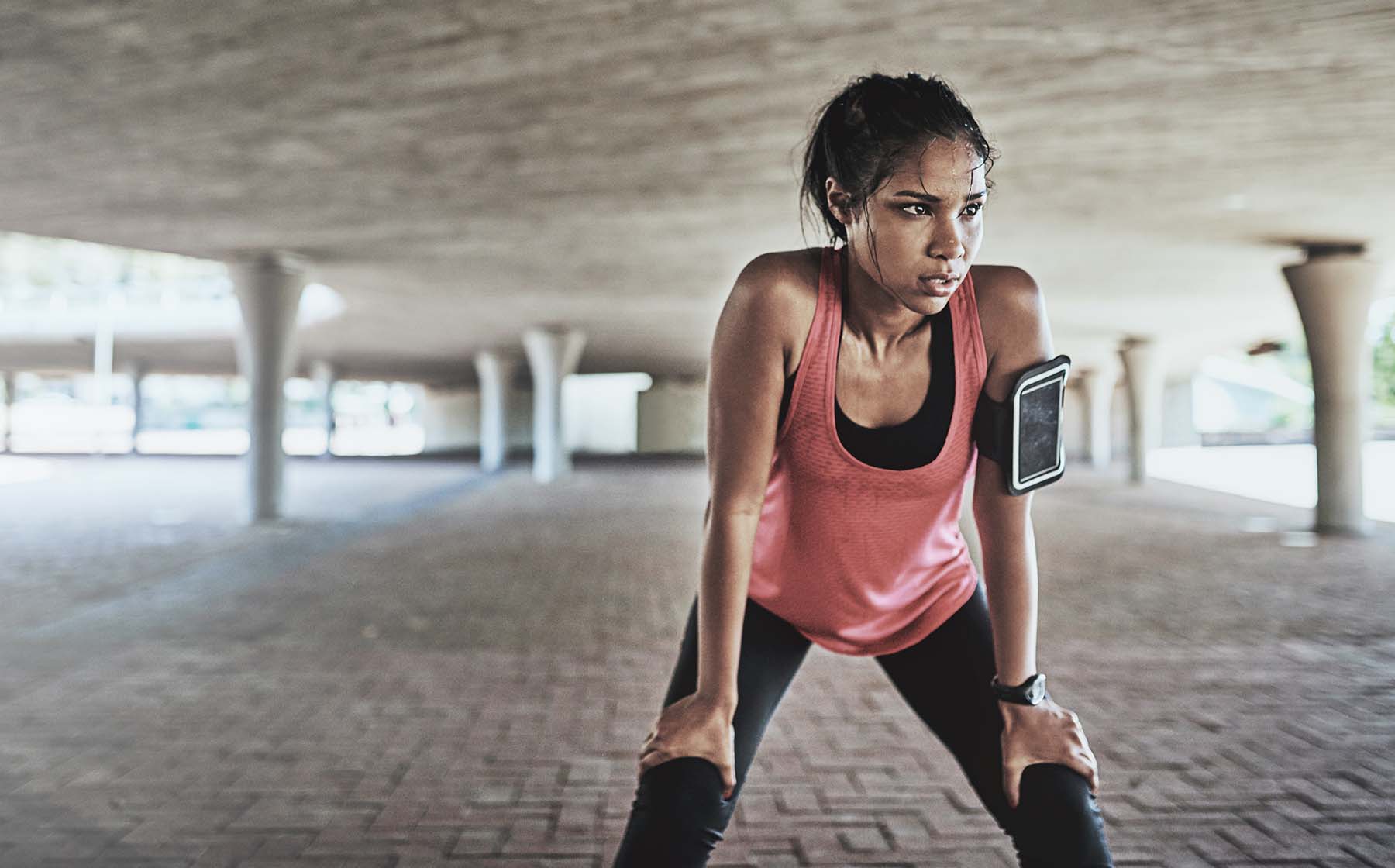
After a good run, gym workout, or hot yoga session, it may seem like fat has melted away in just one sweaty hour. Is sweating a good way to gauge the intensity of your workout, calories burned, or the potential for weight loss?
While the scale may dip down immediately after a good sweat, that number reflects a loss of water weight. Dehydration is dangerous, and severe dehydration is life threatening. Once you rehydrate properly, those pounds will quickly reappear.
True fat loss happens gradually and requires consistently consuming fewer calories than you burn. Physically exerting yourself during exercise or sports will probably cause you to sweat, but the act of sweating does not necessarily mean you have burned many calories.
Your body sweats when it’s trying to cool down.
“The purpose of sweat is ultimately to cool the body,” says Jenny Berezanskaya, D.O., an orthopedic sports medicine specialist at UHealth — the University of Miami Health System and the University of Miami Sports Medicine Institute.
Sweat glands release a mixture of water and electrolytes (sodium, potassium, and chloride) plus trace amounts of other minerals and proteins. As sweat evaporates, it cools the skin. This process alone doesn’t burn a significant number of calories.
Your body may try to cool itself for one or more of the following reasons:
- exerting physical effort
- elevated heart rate
- hot or humid environment
- psychological stress (anxiety, fear)
- fever
- physical pain
- illness
- spicy food
If you stop sweating completely under these conditions, seek medical attention. Sweating is necessary to prevent the body from overheating, which can be life threatening. But, “I would be more worried about an athlete sweating profusely (for potentially needing medical attention) than someone doing the same workout and not sweating,” Dr. Berezanskaya says. “Losing too much water and electrolytes can actually cause negative health effects.”
Sweat does not reflect physical effort nor calories burned.
“Perception of effort is often attributed to the amount of sweat you release, but that is not the appropriate measure,” she says. “A hot yoga workout will produce a tremendous amount of sweat but generate far less calorie burn than a HIIT workout in a cold room that produces less sweating. Sitting in a sauna produces sweat but no real calorie burn.”
Many factors figure into how sweaty you get:
- Gender: Men tend to sweat more than women.
- Age: Younger people sweat more than older adults.
- Weight: More body mass creates more heat.
- Fitness level: Fitter people tend to sweat quickly and produce more sweat.
- Genetics: “Running hot” can run in families.
If your goal is to lose fat, don’t focus on trying to break a sweat.
“While there is benefit to the physical activity of warming up your body before a workout or playing sports, as it provides increased blood flow to the muscles and can help in injury prevention, sweating is not a requirement to accomplish that,” Dr. Berezanskaya says.
Cardiovascular exercise (like running, using an elliptical machine, dancing, skating, and jumping rope) is important to support your cardiopulmonary health (heart and lung) and improve your stamina. While this type of exercise will probably drench your shirt with sweat, cardio alone or for extended training sessions isn’t the most effective way to build muscle nor lose weight.
A weekly combination of aerobic and weight/resistance training is recommended to reach and maintain a healthy weight and body composition.
“For fat loss, I would always recommend strength training over cardio,” she says. “You can burn calories while building muscle with strength training. Plus, building muscle provides a source of long-term fat burn, as the more muscle you have, the more glucose and fat it will use to fuel itself. Building muscle is like building a fat-burning machine. Keeping that muscle healthy requires energy, and fat is an excellent source of energy.
“When we rest, muscle predominantly burns fat. When we’re doing something with effort, like exercise, muscle burns mostly glucose (carbs),” Dr. Berezanskaya says. “The higher the intensity of the activity, the more your muscles will prefer to use glucose for that energy. How much you sweat while you’re doing it is only an indication of how much your body needs to cool down and how much you need to rehydrate.”
Proper hydration, diet, and rest are the other lifestyle components necessary to lose weight and build muscle.
While sweating is normal and an essential response to being active, sweating profusely does not mean you’re on your way to reaching your weight and fitness goals.
Dana Kantrowitz is a contributing writer for UHealth’s news service. Medically reviewed by Jenny Berezanskaya, D.O., an orthopedic sports medicine specialist at UHealth.
Originally published on: August 07, 2019
Tags: Dr. Jenny Berezanskaya, sweating and exercise, University of Miami Sports Medicine Institute

