
Is It Norovirus or the Stomach Flu?
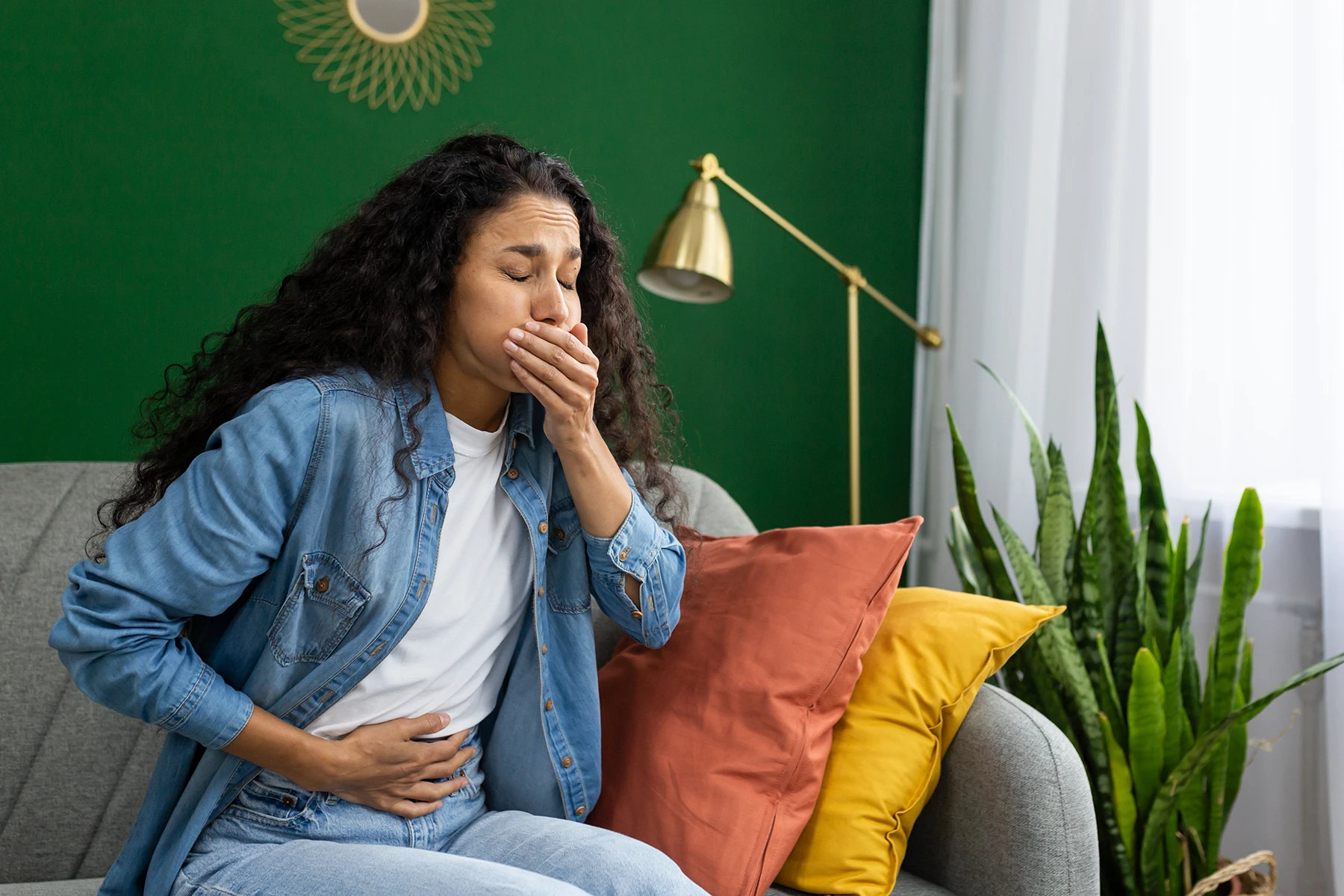
As unpleasant as it can be, most of us have had a bout with a “stomach bug” or “stomach flu” on more than one occasion. One of the most common causes behind the awful but (hopefully) short-lived illness is norovirus, the leading cause of diarrhea and vomiting in the U.S., according to the CDC.
“Norovirus refers to a family of viruses that are transmitted through contaminated food, drinks, ice, or contact with contaminated surfaces,” says Gio Baracco, M.D., a physician with the Division of Infectious Diseases for the University of Miami Health System. “Surfaces and food get contaminated with fecal or vomit material from infected individuals. Noroviruses are very resistant to heat, cold, and normal disinfectants used to clean the environment, so they can be difficult to eradicate.”
Every year, around 19 to 21 million Americans have a bout with the nasty bug. Most of them remain mild and short-lived, though they lead to more than 100,000 hospitalizations each year.
What are the symptoms of norovirus?
If you get norovirus, it’s usually easy to tell.
Symptoms start 12 to 48 hours after exposure. They last for 1 to 3 days and include:
- stomach pain
- diarrhea
- nausea
- vomiting
- Some people experience fever and muscle pain.
Luckily, most cases resolve on their own after a few days of rest and frequent hydration, but some people may face severe complications related to ongoing symptoms and dehydration that can lead to hospitalization.
“People of advanced age and those with medical conditions that lower their immune system are at increased risk of severe symptoms,” says Dr. Baracco.
Is norovirus contagious?
Yes. Though short-lived, the biggest concern with norovirus is how contagious it is. The CDC estimates that the U.S. sees about 2,500 outbreaks of the disease each year, typically peaking around the winter months, from November into April. Considering that, your best bet is to take the proper steps to protect you and your family from the virus.
“The two most important activities to prevent norovirus are frequent hand hygiene and attention to food preparation – washing vegetables and cooking meats to proper temperature,” says Dr. Baracco. In addition to frequent hand washing, it’s important to thoroughly clean and disinfect contaminated surfaces. People with norovirus should avoid preparing food for others and avoid traveling for 2 to 3 days after symptoms end to help prevent spreading the virus.
“Also, wash your clothes and bed linen with hot water,” says Dr. Baracco.
If you get norovirus, get lots of rest and drink plenty of fluids.
This can include:
- water
- sports drinks
- broths
- oral rehydration solutions, including products marketed for children
Health care providers may occasionally recommend anti-diarrheal medications, as well.
Once the symptoms pass, gradually reintroduce bland, easy-to-digest foods like crackers, toast, and gelatin, to avoid upsetting your stomach. If symptoms are severe or long-lasting, be sure to talk to your provider to avoid potential complications related to dehydration.
“Most cases of norovirus are mild to moderate, with diarrhea and/or vomiting that last 1 to 2 days and improve without any medical intervention. It’s critical that the ill person remains hydrated,” says Dr. Baracco. “Seek medical attention if the nausea and vomiting is such that you cannot keep up with fluid losses; if you feel lightheaded or faint; or if you are pregnant, immunosuppressed, or have heart or kidney disease.”
Written by Wyatt Myers. Reviewed by Gio Baracco, M.D.
Sources:
Norovirus Facts and Stats, CDC, 2024, https://www.cdc.gov/norovirus/data-research/index.html
Interview with Gio Baracco, M.D., a physician with the Division of Infectious Diseases for the University of Miami Health System.
Norovirus infection – Symptoms & causes, Mayo Clinic, 2025, https://www.mayoclinic.org/diseases-conditions/norovirus/symptoms-causes/syc-20355296#complications
Norovirus infection – Diagnosis & treatment, Mayo Clinic, 2025, https://www.mayoclinic.org/diseases-conditions/norovirus/diagnosis-treatment/drc-20355302
Tags: Dr. Gio Baracco, how long does norovirus last, norovirus symptoms, norovirus treatment, vomiting and diarrhea virus

