Is Mohs Surgery Still the Best?
As skin cancer rates continue to climb, especially in sun-soaked regions like South Florida, patients and providers alike are asking: Is Mohs surgery still the best option for treatment?
At Sylvester Comprehensive Cancer Center, the answer is increasingly “yes” — with new technologies and expanded applications reinforcing its reputation as the gold standard for treating non-melanoma skin cancers.
Precision meets progress
Mohs micrographic surgery, developed nearly a century ago, remains unmatched in its ability to remove cancerous tissue while preserving healthy skin. The technique involves removing skin cancer in layers and examining each under a microscope until no cancer cells are present. This precise method achieves cure rates of up to 99% for basal cell carcinoma and 97% for squamous cell carcinoma.
But in 2025, Mohs is no longer just a manual art — it’s a data-driven science. Surgeons now use molecular techniques to enhance diagnosis and to map tumor margins to reduce recurrence. At Sylvester, these innovations are helping patients achieve better outcomes with fewer surgical stages.
“Skin cancer is the most common cancer, and tools including AI are under development to assist clinicians and caregivers in appropriate referral to dermatologists to diagnose skin cancer early,” says Robert Kirsner, M.D., Ph.D., a member of Sylvester, the endowed Harvey Blank Professor and Chair in the Dr. Phillip Frost Dermatology in the Department of Dermatology and Cutaneous Surgery and professor of Public Health Sciences at the University of Miami Miller School of Medicine.
Mohs surgery is no longer limited to facial lesions.
It’s now used for complex cases such as anogenital squamous cell carcinomas, where functional preservation is critical. Optical coherence tomography, which uses non-invasive light waves to capture high-resolution images of tissue, and immunohistochemical staining, which helps surgeons visualize tissue in real time and identify aggressive subtypes, are used to help guide the process.
These advancements are especially meaningful for South Florida’s patient population, where access to precision care can be life-changing.
“For large or recurrent tumors, those cancers in cosmetically sensitive areas or when tissue sparing is critical, Mohs surgery might be the best choice for a patient. The high cure rate and tissue-sparing nature of the procedure make it quite attractive,” said Dr. Kirsner.
Despite its strengths, Mohs isn’t always necessary.
For low-risk basal cell carcinomas on the trunk or limbs, simpler excision techniques may suffice. Providers at Sylvester emphasize patient-centered decision-making.
“A variety of treatments exist for skin cancer, and a personalized approach considering the type, size, and location of the skin cancer, whether the cancer is new or recurrent as well as the patient’s other medical problems and preferences all help decide what type of treatment is best for which patient and when,” says Dr. Kirsner.
As Sylvester continues to lead in skin cancer care, Mohs surgery remains a cornerstone of its approach.
With new tools and techniques enhancing precision and accessibility, the procedure is more effective than ever.
“The ideal treatment for skin cancer, one that is fast, easy, painless, low cost, doesn’t scar and is 100% effective, does not currently exist, but scientists, researchers and innovators are hard at work to make patient care better,” says Dr. Kirsner. “For now, working with your doctor and understanding what’s best for you remains the gold standard approach to care.”
Top 10 Tips for Summer Sun Safety
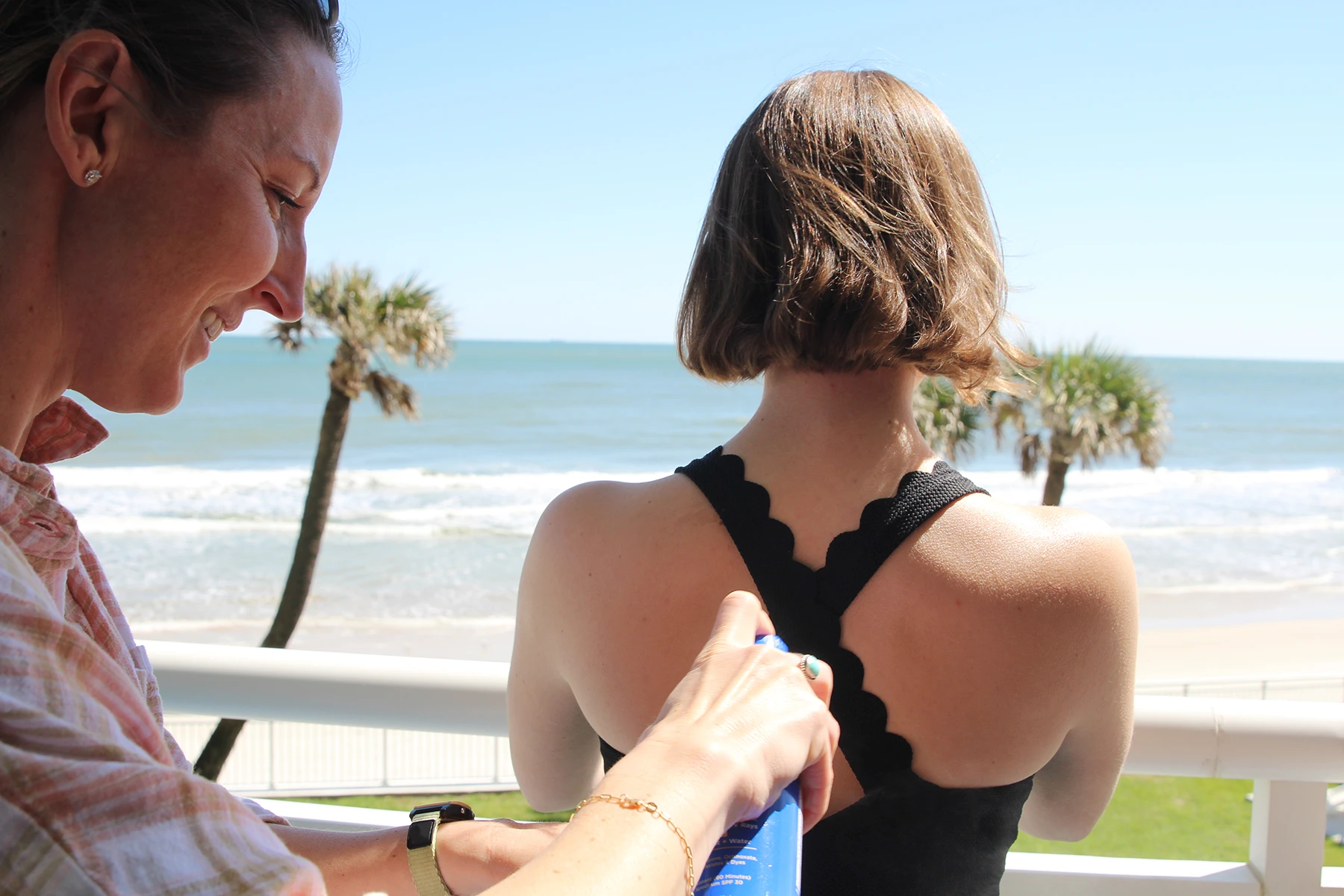
1. Apply Broad-Spectrum Sunscreen: Use a sunscreen with SPF 30 or higher that protects against both UVA and UVB rays. Reapply every two hours, or more often if swimming or sweating.
2. Seek Shade During Peak Hours: The sun’s rays are strongest between 10 a.m. and 4 p.m. Try to stay in shaded areas or indoors during these hours to reduce exposure.
3. Wear Protective Clothing: Opt for lightweight, long-sleeved shirts, wide-brimmed hats, and UV-blocking sunglasses. Clothing with UPF (Ultraviolet Protection Factor) offers added defense.
4. Stay Hydrated: Heat and sun exposure can lead to dehydration. Drink plenty of water throughout the day, especially if you’re active outdoors.
5. Avoid Tanning Beds: Artificial UV exposure can be just as harmful as natural sunlight. Choose safer alternatives like self-tanning lotions if you want a sun-kissed glow.
6. Check Your Skin Regularly: Monitor for new or changing moles, freckles or spots. Early detection of skin changes can be critical in preventing skin cancer.
7. Protect Children and Seniors: Young children and older adults are more vulnerable to sun damage. Ensure they’re covered, hydrated and shaded when outdoors.
8. Use Lip Balm with SPF: Don’t forget your lips! Use a lip balm with SPF to prevent sunburn and dryness.
9. Be Cautious Near Water, Sand and Snow: These surfaces reflect the sun’s rays and increase your risk of sunburn. Extra protection is essential in these environments.
10. Know Your Medications: Some medications can increase sensitivity to sunlight. Check with your health care provider or pharmacist if you’re unsure.
Information in this article was from Microsoft CoPilot and edited by Monica Smith, executive director of content for Sylvester Comprehensive Cancer Center. Medically reviewed and approved by Dr. Kirsner.
Tags: Dermatology advancements, Dr. Robert Kirsner, Mohs micrographic surgery benefits, Skin cancer treatment options, South Florida sun safety

