Menstrual Cycles and Sports Injuries: Why Recovery May Take Longer During Your Period
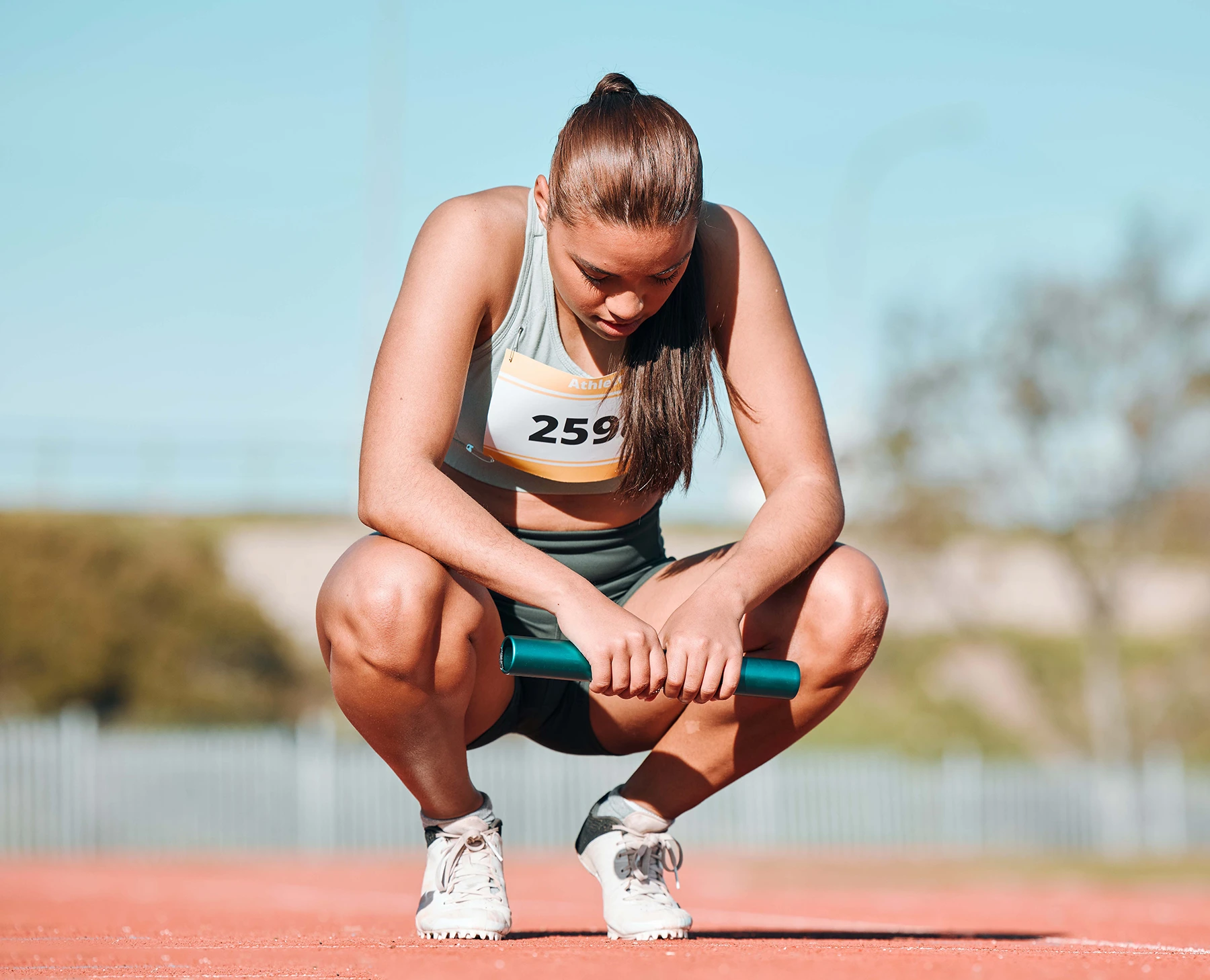
A small study on elite women soccer players sheds light on how menstruation can affect sports injuries, suggesting that a woman’s cycle might be one of many factors to consider during training.
Researchers found that while injury frequency did not increase during a female athlete’s period, the injury burden was actually three times higher, meaning that players recovered from injuries more slowly.
In the study group, athletes who suffered an injury during menstruation lost 684 days per 1,000 training hours compared to 206 days lost when the injury happened outside of menstruation.
The findings did not surprise Jennifer Horawski, M.D., an orthopedic sports medicine specialist at the University of Miami Health System. In fact, the study adds to the growing medical literature of how menstrual cycles affect performance. She cites a 2024 systematic review and meta-analysis, which also found “no consistent statistically significant association between menstrual phase and muscle injury risk” — yet suggested a woman’s period does influence her recovery and severity once an injury occurs.
“Clinically, I interpret this as a potential difference in the physiologic or symptomatic recovery environment rather than a ‘high-risk day’ phenomenon,” she says. “This means we should consider menstrual symptoms, sleep quality, pain burden, fueling status, and iron levels when evaluating recovery — but not automatically change diagnoses or timelines based solely on cycle phase.”
Published in Frontiers in Sports and Active Living, the most recent study on menstrual cycle injuries in athletes followed 33 elite soccer players in Spain from 2019 to 2020 and then again from 2022 to 2023. (It was up to the athletes to track their menstrual cycles, noting bleeding and non-bleeding days.) This information added up to a total of 852 menstrual cycles.
In that time, players logged the number of injuries, when they occurred, and the recovery time required after training.
The most common were muscle injuries (58%), followed by ligament injuries (30%) and tendon injuries (13%).
Most injuries occurred during training, while only 23% happened during matches. All in all, researchers looked at 80 lower-limb injuries, with 11 occurring during menstruation.
“The small number of bleeding-phase injuries limits statistical precision,” Dr. Horawski adds.
That said, much can be gleaned from the Frontiers in Sports study. For example, applying the findings beyond soccer or elite athletes can help the recreational exerciser or weekend warrior. Dr. Horawski says the physiologic mechanism that seems to influence the severity and recovery from injuries could “plausibly apply” to other sports, too.
Iron loss, inflammatory responses, sleep disruption, and low levels of the hormone estradiol during bleeding days occur regardless of the sports a woman plays.
“However, elite athletes differ significantly from recreational athletes in training load, recovery resources, monitoring, and return-to-play oversight,” she explains. “We cannot assume the magnitude of effect translates directly to amateur or weekend athletes without replication in broader, multi-sport cohorts.”
In other words, women who exercise at a recreational level might not experience the same issues of recovery as an elite athlete whose full-time job is to train and perform. The severity of an injury in an amateur might actually be more pronounced. While the pros have “primed” their muscles with hours and years of workouts, the amateur’s system isn’t primed in the same way, which can lead to acute injuries. Also, athletes tend to be more aware of injuries and are likely seek diagnosis and therapy earlier. The weekend warrior may want to power through the pain, eventually making the injury worse.
There is considerable evidence that estradiol levels — which peak during ovulation and then drop during a woman’s period — influence neuromuscular control, ligament properties (how stiff, loose, strong, or stretchy they are), and collagen metabolism (how our body builds, repairs, and breaks down this essential protein). For example, a 2025 review published in The American Journal of Sports Medicine summarizes evidence that sex hormones affect ligament biomechanics.
But how to translate that — or other studies — to clinical healing timelines remains unclear.
Dr. Horawski points out that the large 2024 Sports Medicine systematic review did not find a consistent association between menstrual phase and muscle injury incidence. In her practice, she also has not observed “a consistent, reproducible pattern” of delayed healing purely based on menstrual phase.
“Anecdotally, some athletes report greater fatigue, cramping, or altered performance during bleeding days, which may affect training tolerance or perceived recovery,” she says. “However, in clinical practice, we do not have controlled exposure data. I treat menstrual phase as contextual information to individualize care, rather than as a determinant of prognosis.”
She believes more studies across sports and with clinical tracking of hormonal levels, namely through bloodwork, are needed to help female athletes adjust their training load.
Nevertheless, the information we have can inform trainers and athletes about how to better protect themselves from exercise injury during the bleeding days of a menstrual cycle:
- Practice longer warm-ups.
- Adjust training intensity, especially on heavier flow days.
- Pay attention to sensations of tightness, instability, or fatigue. Treat these as warning signs and not something to power through.
- Plan on more recovery time if you do get injured during your period.
- Do preventative exercises year‑round, focusing on hip, core, and hamstring strength to protect joints.
- Emphasize sleep and nutrition, including eating plenty of protein and iron during your period.
Written by Ana Veciana-Suarez. Medically reviewed by Jennifer Horawski, M.D.
Tags: Dr. Jennifer Horawski, female athlete health optimization, performance variability across menstrual cycle, sports medicine for female athletes

