
New Cholesterol Guidelines Shift Focus to Earlier Prevention and Lower LDL Targets
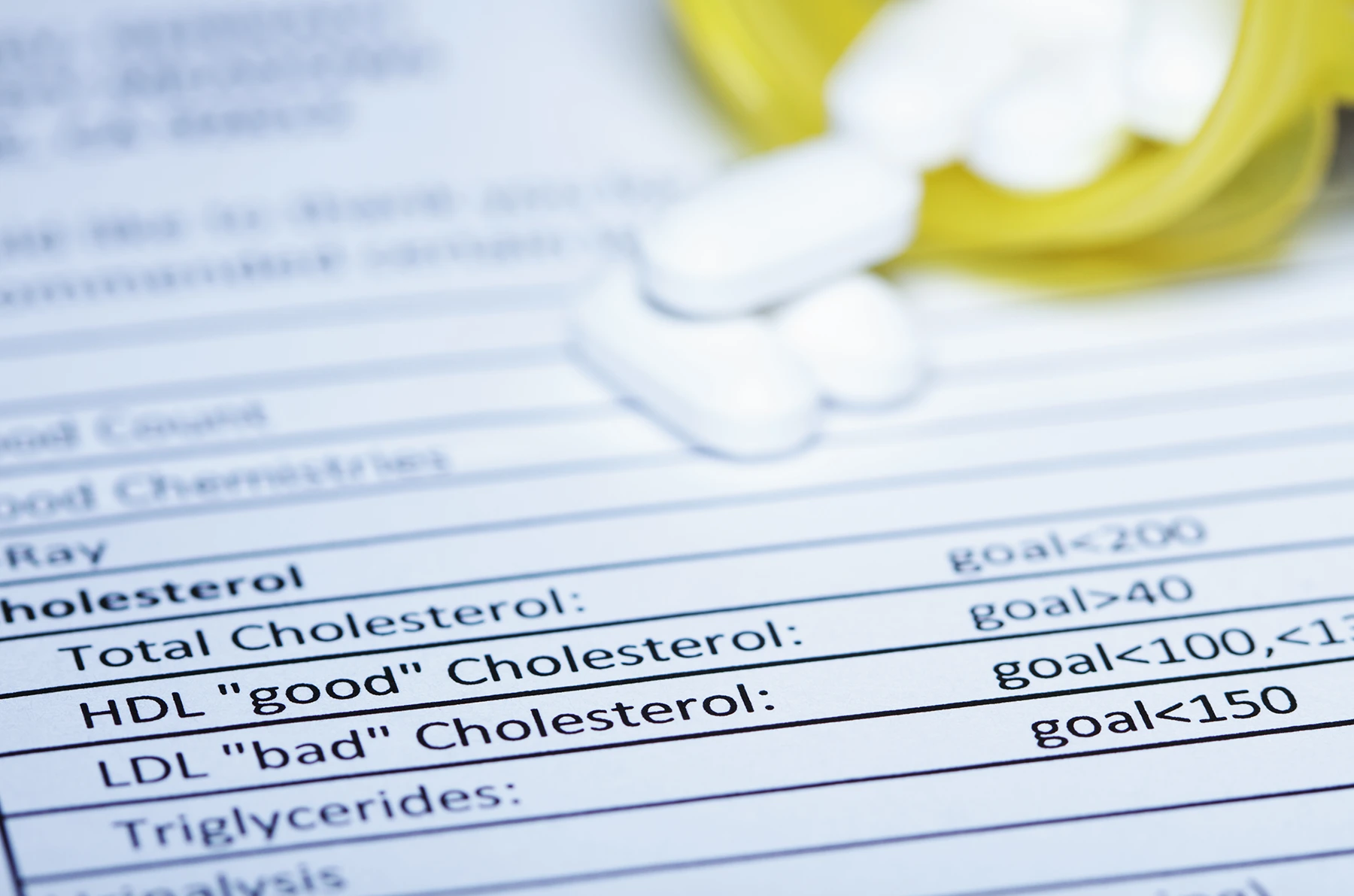
For the first time in six years, the American College of Cardiology and the American Heart Association have updated guidelines for the screening and managing of cholesterol. These new standards reinforce the importance of lowering LDL in our blood by pivoting from treating cholesterol to preventing its buildup earlier.
“This reflects what we’ve been doing in practice, though it had not been translated into published guidelines until now,” says Claudia Martinez, M.D., an interventional cardiologist with the University of Miami Health System. “For years, cholesterol treatment has largely focused on middle age, when numbers start to rise and heart disease becomes visible, but the updated cholesterol guidelines released this spring challenge that approach in a fundamental way.”
The guidelines, she adds, shift the focus to lifelong protection of the arteries. “Cholesterol isn’t just a number, it’s a lifelong exposure. And the longer our arteries are exposed to high “bad” cholesterol, the greater the risk of heart attack and stroke later on.”
LDL stands for Low‑Density Lipoprotein.
It’s been labeled as “the bad cholesterol” because it transports cholesterol from the liver to tissues. LDL is essential to certain bodily functions, such as immunity, tissue repair, hormone creation, and building and repairing cell membranes, But when there are too many of these particles in our bloodstream, it can narrow arteries and form dangerous plaques, causing heart attacks and strokes.
The updated guidelines to keep LDL in check include:
Early screening
The new guidelines recommend that screening begin at age 19 or earlier, for those with a family history of heart disease. If children have a family history of premature heart disease or inherited lipid disorders, they should have cholesterol testing as young as 9.
This change reflects the science. Lifetime exposure to high LDL drives cardiovascular risk, but early detection and treatment improves outcomes. LDL management usually involves lifestyle changes and/or medications that can prevent the plaque buildup that becomes irreversible once formed.
Because damage accumulates quietly over decades, by the time a patient shows up with chest pain, cholesterol in the arteries may already be far advanced, even if they’re young and feel healthy.
“The goal isn’t to put everyone on medication in their 30s,” Dr. Martinez adds. “It’s to identify risk sooner and reduce long term exposure before irreversible damage occurs.”
Treatment targets
Recent cholesterol management focused more on whether a patient was taking a statin rather than whether they had actually reached a healthy LDL cholesterol goal. The updated guidelines shift away from that approach by emphasizing personalized cholesterol targets based on a patient’s overall cardiovascular risk.
The new recommendations use an updated risk calculator called PREVENT, which incorporates factors that were not routinely included in older models, such as body mass index and kidney disease. It also evaluates both short-term (10-year) and lifetime (30-year) cardiovascular risk, helping physicians create more individualized treatment plans.
“The guidance is clear: lower cholesterol is better, and reaching a specific target matters,” Dr. Martinez says. “Simply taking medication is no longer considered enough if LDL levels remain too high.”
Under the updated recommendations, patients with cardiovascular disease should aim for LDL-C levels below 100 mg/dL.
‘For people with elevated or intermediate risk, the targets are even lower. Intermediate-risk patients should strive for LDL-C levels below 70 mg/dL, while high-risk individuals should aim for levels below 55 mg/dL to better reduce their risk of heart attack and stroke.
Intermediate risk individuals are adults (over 40 years of age) who do not have cardiovascular disease yet but exhibit one or more warning signs, such as:
- an LDL‑C of 70 to 189 mg/dL
- hypertension
- prediabetes
- early diabetes
- a family history
- overweight or obese
- are current or past smokers
- suffer from certain chronic inflammatory condition, such as psoriasis, rheumatoid arthritis, vasculitis, Crohn’s disease or ulcerative colitis
Certain chronic infections (HIV, Hepatitis C, chronic kidney disease, nonalcoholic fatty liver disease) are also warning signs. Inflammation makes LDL particles sticker and more likely to enter artery walls, therefore raising long‑term cardiovascular risk even when LDL isn’t very high.
High-risk patients may not have had a heart attack or stroke, but they may still exhibit certain factors that justify more intense prevention efforts. Some of these factors are an LDL‑C greater than 190 mg/dL (which means severe hypercholesterolemia) and a coronary artery calcium (CAC) score higher than 100 or a CAC sore that puts them in the 75th percentile for their age and sex. Other contributing risk factors include diabetes, family history of cardiovascular disease, chronic inflammatory disease, persistently high triglycerides early menopause or pregnancy‑related complications, such as preeclampsia or gestational diabetes.
Statins
Statins remain the foundation of cholesterol treatment and usually work for many. “But in real world practice, a significant number of people don’t reach safe cholesterol levels with statins alone,” Dr. Martinez says. “The new guidelines acknowledge this reality and support earlier use of additional cholesterol lowering therapies when needed.”
There are now newer medications for patients who cannot tolerate statins, have very high cholesterol due to genetics, or continue to have cardiovascular events despite treatment. These include oral medications that blocks cholesterol absorption in the gut and PCSK9 inhibitors injections.
“This isn’t about being aggressive it’s about being effective,” Dr. Martinez says.
Additional testing
Most of us are aware of the standard lipid panel that comes with our annual blood workup. But the lipid panel is better at detecting hidden cardiovascular risk when paired with other tests, which is why the guidelines recommend testing for apolipoprotein B (apoB), lipoprotein(a) (Lp(a)), and coronary artery calcium (CAC) scanning.
ApoB directly counts the number of atherogenic particles, so it can better predict risk than LDL-C alone. (Atherogenic particles carry cholesterol that cause plaque buildup in artery walls.) The test is particularly useful for people with high triglycerides, diabetes, or metabolic syndrome.
Lp(a) testing is recommended for every adult at least once in a lifetime. It helps identify those who may not be considered at risk because of standard LDL and HDL levels. Largely determined by genetics, Lp(a) is a strong independent risk factor for early heart disease and stroke.
A Coronary Artery Calcium (CAC) scan does something a blood test can’t do.
It directly measures plaque in the coronary arteries. In other words, it helps determine risk when risk is uncertain.
Most insurances now deny payments for these tests, but Dr. Martinez believes that will likely change. “Having them included in the guidelines will put some pressure on insurance companies.”
The unifying theme of the new guidelines? Measuring cholesterol in our blood is only one part of a person’s cardiovascular story, and it isn’t always the most accurate
As Dr. Martinez explains, “One of the most important acknowledgments in the updated guidelines is that some people develop heart disease even when their LDL cholesterol looks acceptable.”
Everyone should be proactive about their cardiovascular health.
Know your family history of heart disease. Track your numbers.
Practice healthy lifestyle choices, such as:
- eat a Mediterranean diet
- exercise routinely
- get enough sleep
- avoid smoking and alcohol
- keep your wellness appointments
Ask your primary care physician specific questions that go beyond the information on the lipid panel.
“This isn’t about reacting to a problem later,” she adds. “It’s about protecting the arteries early and over a lifetime. If there is one message to remember, it’s this: Think earlier. Treat lower. Prevent the first heart attack. Don’t wait for it.”
Written by Ana Veciana Suarez. Reviewed by Claudia Martinez, M.D.
Tags: Claudia Martinez-Bermudez, heart disease prevention, Miami cardiology care, preventive cardiology

