
White Coat vs. Masked Hypertension: What Your Blood Pressure Reading Might Not Be Telling You
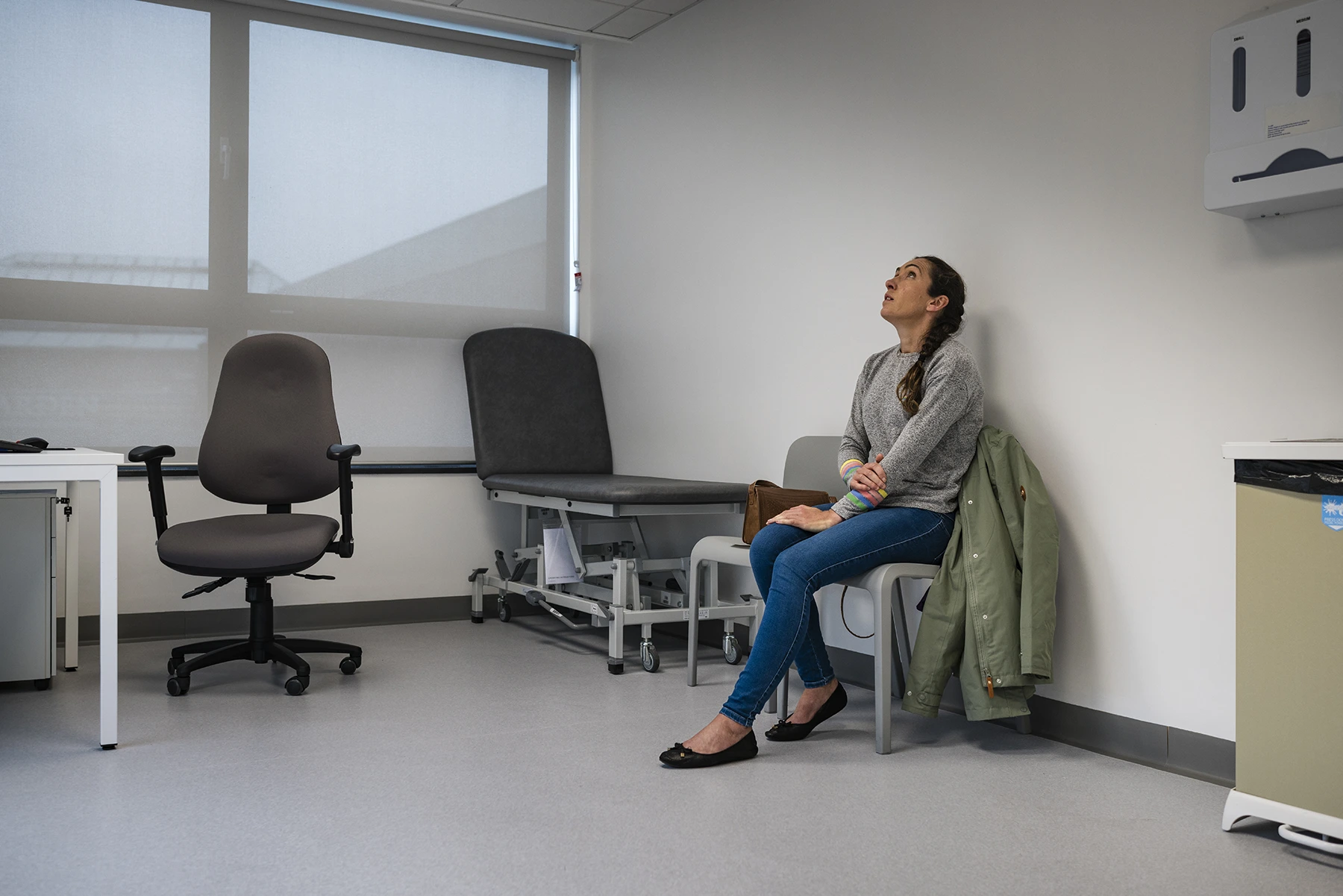
Getting your blood pressure taken at the doctor’s office is one of the most universal parts of a physician visit, no matter your age. Many factors can affect that spot reading.
Maybe you dashed in from the parking lot because you were late. Or maybe the appointment or an upcoming screening makes you nervous. Sitting too long in the waiting room and feeling annoyed can even raise your blood pressure.
“It’s very normal, even among very young people, to have high blood pressure during the visit. The visit itself contributes to that elevation,” says Maria Delgado-Lelievre, M.D., a cardiologist and founder and director of the Comprehensive Hypertension Center at the University of Miami Health System.
What you need to know about hypertension
Hypertension is a common hereditary condition of high blood pressure. It significantly increases your cardiovascular risk and can lead to heart attacks, strokes and death. Nearly 48% of Americans are hypertensive.
The good news is that hypertension can be managed with medication when a person is properly diagnosed, treated, monitored and eats a healthy diet.
White coat syndrome
A high blood pressure reading observed only in a clinical setting is called white-coat syndrome. This isn’t just anxiety. It’s a physiological response. “All one high office reading tells me is that your sympathetic nervous system is activated. The whole vascular system is reacting to the visit,” says Dr. Delgado.
Knowing that your blood pressure tends to be higher at the doctor’s office can be helpful information. “The patient learns to tell the medical assistant to wait 5 minutes or take the blood pressure again because they just came running from the parking lot and need five minutes to relax,” says Dr. Delgado.
Mistaking white coat syndrome for hypertension can lead to overmedication, low blood pressure (hypotension), exhaustion and dizziness.
Another problem is what happens when people do become hypertensive, but they and even their physician assume the high reading is merely white coat syndrome. This, unfortunately, is one of the reasons so many cases of hypertension in the United States remain undiagnosed and uncontrolled.
Masked hypertension
Masked hypertension is a less common but real possibility that also affects blood pressure accuracy. Plus, it’s harder to detect.
In this case, your blood pressure reading at the clinic is lower than usual. It could be high only at night and regulated during the day. Maybe you bike to the appointment, and your blood pressure decreases with exercise. Or maybe you scheduled the visit on a day off from work and feel more relaxed than usual.
“You cannot dismiss what’s going on because there’s danger in ignoring high blood pressure, and you don’t want to overmedicate. You need to assess the patient at any age,” says Dr. Delgado.
Identifying masked hypertension is especially important. “Nighttime blood pressure is actually the one that gives you significant cardiovascular risk,” says Dr. Delgado.
A common problem with measuring blood pressure
What both white coat syndrome and masked hypertension share is that they both point to a critical gap in how blood pressure is measured and understood. Most blood pressure readings are spot checks taken in an office setting. However, blood pressure is dynamic. Your blood pressure fluctuates throughout the day, depending on your mood, diet, exercise, sleep and even the times you take medication. “It’s difficult for the doctor to understand what’s happening if you don’t see the physiology over 24 hours,” says Dr. Delgado.
That’s why the American Heart Association recommends diagnosing hypertension based on 24-hour ambulatory blood pressure monitor (ABPM) screening. “The most important response to an office reading is to try to understand further what’s happening with this patient,” says Dr. Delgado.
The problem is most clinics don’t have enough ABPM devices to go around, so few people have access to them. Those who do get the screening have to spend 24 hours with a cuff strapped on their arm, taking readings every few minutes –– even while sleeping.
How UHealth provides ABPM screening to every patient who needs it
At the new UHealth Comprehensive Hypertension Center, Dr. Delgado says every patient with a history of hypertension in their family or with a personal history of high blood pressure leaves with a new device that’s a simple, cuffless ABPM monitor. Clinicians at UHealth can accurately diagnose hypertension based on a person’s 24-hour average blood pressure reading.
This way, there’s no chance of assuming a person has white coat syndrome when they actually have hypertension. And there’s no chance of missing a person’s nocturnal blood pressure spike due to masked hypertension.
If your blood pressure readings are high, or if high blood pressure runs in your family, it may be time to look deeper. Make an appointment with the Comprehensive Hypertension Center to get a clearer picture of your cardiovascular health.
Actionable steps for checking if you have high blood pressure
- Don’t rely on a single reading. Ask your doctor if 24-hour monitoring is right for you.
- Know your risk and share your full healthy history with your provider. If your parent or grandparent has hypertension, you’re likely also to develop it at some point in your lifetime.
- Follow up with your doctor regularly, even if your readings seem “normal.”
Written by Wendy Margolin. Reviewed by Maria Delgado-Lelievre, M.D.
Tags: blood pressure accuracy, Dr. Maria Delgado, high blood pressure screening South Florida, hypertension diagnosis Miami

