
How Loud Noise May Affect Your Hearing, Balance, and Risk of Falls
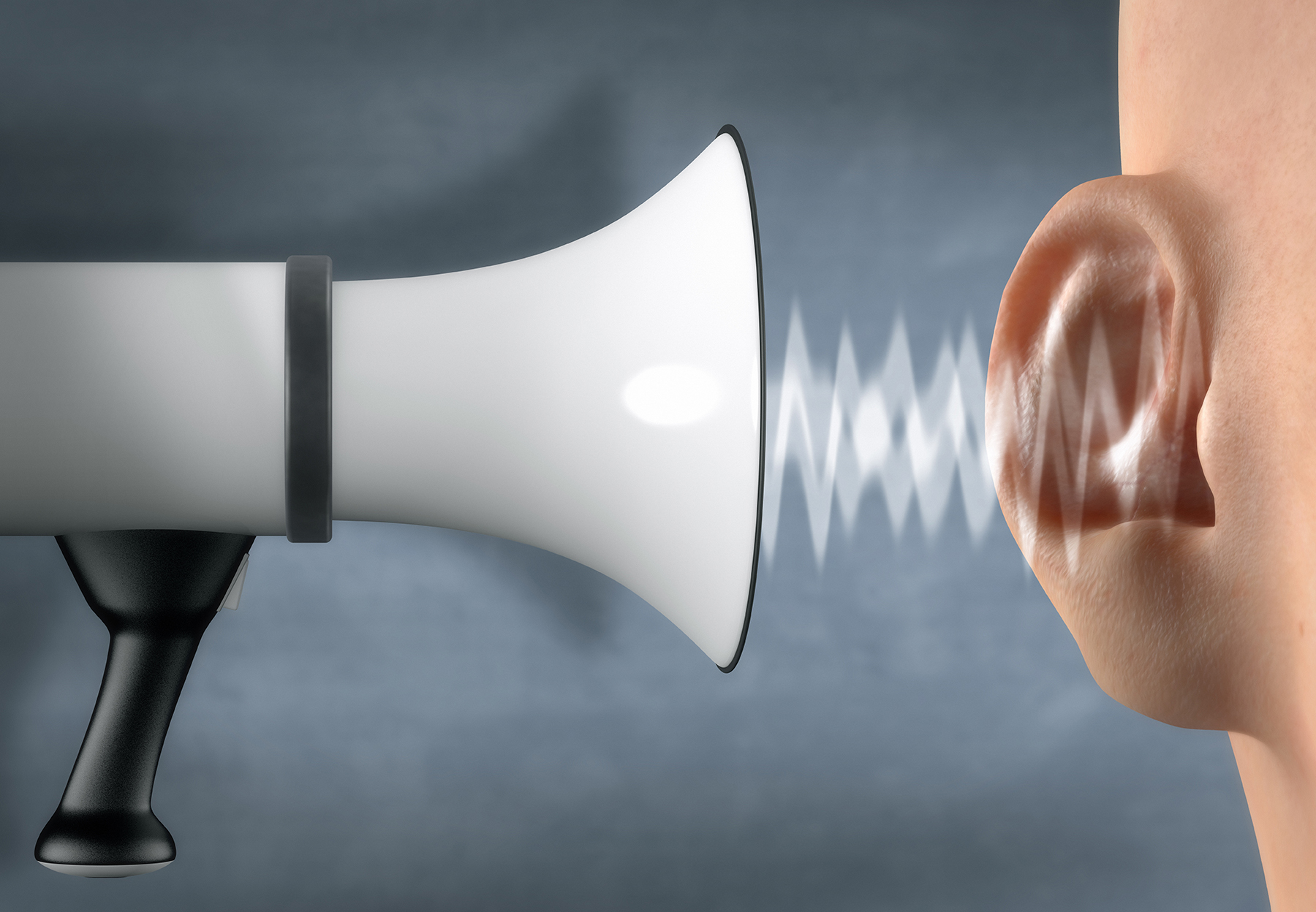
Experts at the University of Miami Ear Institute explain how noise exposure can also affect balance, dizziness, and long-term health.
Miami visitors and residents alike know that the pumping music and loud conversation are central to the city’s vibe. Still, Hillary Snapp, AuD., Ph.D., chief of audiology at the University of Miami Ear Institute, warns that if you have to yell to talk, your ears may be paying a price down the road.
Overexposure to loud sounds can increase the risk of developing hearing loss. It’s rarely one big moment. More often, it is the repeated exposures that add up, from loud music and nightlife to workout classes and power tools. With enough volume and enough time, noise can damage the delicate structures in the ear, making it harder for the brain to pick up sound clearly.
Noise exposure may feel like a normal part of South Florida’s vibrancy, but overexposure to loud sound comes with a risk to long-term hearing health. Noise exposure is dose-dependent. “The louder something is, the less time we can be exposed to it. The longer we’re exposed to a loud sound, the greater the risk for damage to the ears,” says Dr. Snapp.
The ear is responsible not only for hearing, but also for balance. Through research, including real-world occupational studies of firefighters, UHealth has been on the front lines of understanding the long-term impact of noise exposure on hearing and balance.
Noise exposure doesn’t only affect hearing
The inner ear contains both the hearing and balance systems, which work together to keep you steady and oriented in your environment. Most people think of noise exposure as a risk for hearing loss, but the effects don’t always stop there.
Repeated noise exposure can affect the inner ear’s hearing structures and the organs that support balance. Because these systems are connected and send information to the brain through similar pathways, the same loud environments that stress hearing over time may similarly affect balance function, even before a person notices any obvious symptoms.
Noise can be an occupational hazard
Dr. Snapp and her team have worked closely with firefighters, in particular, to examine the long-term risk of hearing damage given the occupation’s frequent exposure to noise. She and her colleagues found that repeated prolonged exposure to noise can cause hearing and balance issues later in life.
A 2023 study followed firefighters who wore an Apple Watch that tracked their noise exposure over 24 hours. While the study found higher noise exposure among firefighters than among non-firefighters, only 2 of the 15 firefighters wore hearing protection. “Most of the protective tools we have are just not well-accepted by people,” says Dr. Snapp.
Why protecting your ears is harder than it sounds
“It’s really difficult for us, in our day-to-day lives, to determine if one sound versus another has reached a point of being hazardous,” says Dr. Snapp. While audiologists can raise awareness of the dangers of noise, it’s hard to change behaviors without appropriate tools.
Loud sound exposure is culturally normal for many people. Sound can have real psychological benefits –– energizing, motivating and helping you push through. “In a lot of everyday activities, such as working out, playing sports and going to events, loud sound becomes positive reinforcement. So how do you tell people not to do something that, in so many other ways, is positive for them?” says Dr. Snapp.
Why hearing loss can show up as falls later
“Everybody’s auditory and balance systems age, like everything else,” says Dr. Snapp. But in those with known noise exposures, those changes happen faster.
“We looked at early-career firefighters, mid-career firefighters who had been in the service around a decade and late-career firefighters who had been in service 20 years. When we compared them to their age- and sex-matched controls, we found evidence of changes in vestibular function,” says Dr. Snapp.
The vestibular system in the inner ear controls balance, and disruptions to it can cause dizziness and imbalance. The firefighters in Dr. Snapp’s research, though, aren’t necessarily reporting imbalance.
“These are a highly active, physically fit group of individuals doing demanding work, so it isn’t surprising that small changes don’t lead to a perceived change, especially when the body can compensate at work. But when we measured balance function objectively, their results looked different from somebody of a similar age who didn’t have the same noise exposure,” she says.
Why hearing and balance problems can take years to appear
While sudden loud noise can cause immediate harm, often it’s more gradual. While a single very loud event can cause immediate injury, more often the harm comes from cumulative exposure over time.
“It’s the repeated, unprotected exposure day after day, year after year, that raises risk,” says Dr. Snapp.
Practical ways to recognize risk quickly
One simple way to figure out if your environment is too loud is to look at your behavior. If you have to yell to be heard, it’s too loud.
Dr. Snapp says there are practical things you can do to protect your hearing, including:
- Remove yourself from the noise to give your ears a break.
- Carry earplugs that are comfortable for you and keep them with you. Custom earplugs improve speech clarity, allowing you to hold conversations even in noisy environments.
- Keep your distance. The farther you are from the sound source, such as speakers, the lower the risk.
- Be aware of how loud your headphones are. If someone can hear your audio, it’s too loud.
- Wear hearing protection, such as properly fitted earplugs or hearing-protection headphones, at concerts and other loud events, and model this behavior with children.
- Talk to workplace managers to raise awareness for workers exposed to frequent noise, such as alarms.
Prioritize your hearing
Get your hearing checked, especially if you’ve never been tested before or you frequently work in a noisy environment.
Written by Wendy Margolin. Reviewed by Hillary Snapp, AuD., Ph.D.
Tags: dizziness and hearing loss, Dr. Hillary Snapp, falls and hearing loss, noise-induced hearing loss, otolaryngology in Miami

