
Should You Rest or Move After an Injury?
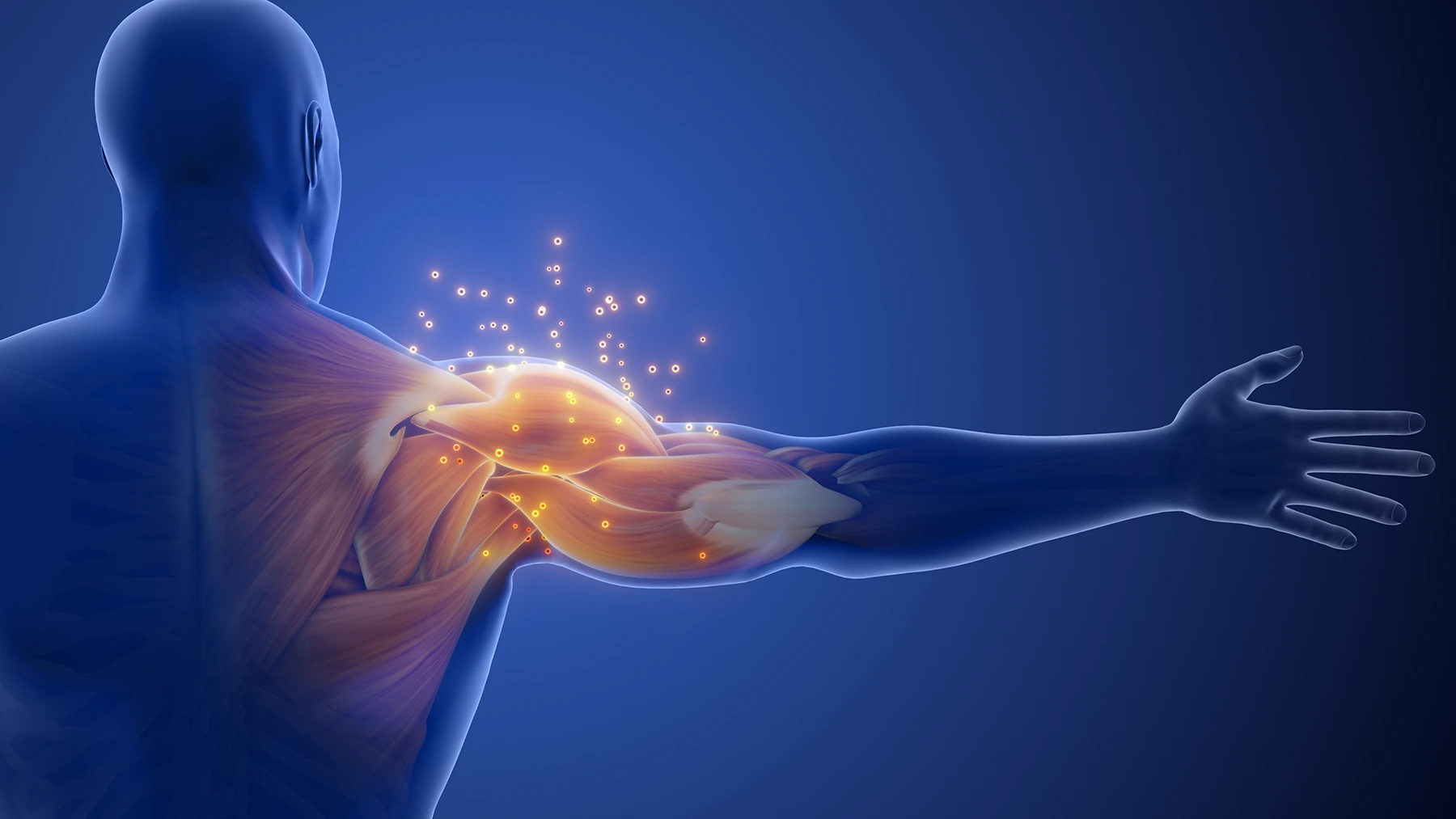
For almost 50 years, athletes and recreational sports enthusiasts have lived by the injury-recovery motto known as RICE, which stands for rest, ice, compression, and elevation. It wasn’t unusual to see posters with that acronym in school gyms and pro teams’ locker rooms.
But times — and clinical protocols — are changing. Guided by research from the past two decades, the thinking among sports medicine personnel has evolved, and the preferred rehabilitation protocol is now quite different. Rest, or immobility, has lost its crown to the idea of active recovery, the slow and gentle movement that keeps our muscles, ligaments and joints active while we recuperate.
“We’ve had a shift in how we think post-injury and post-surgery rehab and recovery,” says Thomas M. Best, M.D., Ph.D., a sports medicine specialist at the University of Miami Health System.
“Before, we used pain as a yardstick. If you had pain, we told you to slow down or even stop. Now it’s all about active recovery, about working through low-level pain.”
“Before, we used pain as a yardstick. If you had pain, we told you to slow down or even stop. Now it’s all about active recovery, about working through low-level pain.”
Instead of complete rest, medical experts are recommending safe movement, such as slow walking, easy stretching, and gentle strengthening, to help the body heal. Movement not only prevents joint stiffness and muscle loss but also gets blood flowing, which, in turn, delivers the nutrients needed to promote healing. It even helps the brain learn how best to move after an injury.
In their guidelines, organizations such as the National Athletic Trainers’ Association, the American Physical Therapy Association, and the American Academy of Orthopaedic Surgeons recommend early mobility and weight-bearing activities for injuries and post-operative care. Think of it like this: Movement as medicine. Or, motion as lotion. This does not mean ignoring the injury itself — or pushing through intense pain. And it certainly doesn’t mean returning to the full activity right away.
“It’s about finding the sweet spot,” says Dr. Best, research director at the University of Miami Sports Medicine Institute. “Too much activity too suddenly is bad, but so is no activity at all.”
Dr. Best, who also serves as team physician for the Miami Hurricanes and Miami Marlins, uses the example of a common sports injury, the ACL (anterior cruciate ligament) tear. The ACL is an important ligament in the knee that connects the thighbone to the shinbone. In the past, individuals who suffered such an injury were told to rest.
“But what happened when you were immobile was that the quadriceps atrophied and the knee stiffened,” he says. Muscular recovery was also slower, and a return to normal movement was actually harder. In fact, an immobilized muscle or joint can slip from acute to chronic pain because the tissue surrounding the injury tends to stiffen, and the nervous system actually becomes more sensitive to pain.
Now, clinicians treating an ACL tear recommend gentle, controlled movement to keep the quads “awake” and maintain joint mobility.
Movement improves circulation and actually prepares the knee for surgery, if needed. Dr. Best calls it pre-hab, which is all about getting the body in the best shape possible before an operation and post-surgery rehab.
A growing body of research underscores the shift from rest to motion after an injury. One study, published in the New England Journal of Medicine, found that starting rehabilitation for serious soft-tissue injuries two days after an injury instead of nine days later led to athletes being able to return to their sports 20 days sooner. That means individuals were able to begin retraining in 63 days rather than 83.
Another study of two rehab programs for acute hamstring strains in athletes showed that movement‑based rehab led to lower reinjury rates than traditional stretching/low‑load programs.
Even as RICE grew more popular among athletes and weekend warriors during the 1980s and ‘90s, clinicians were tracking the benefits of motion. In 1989, for example, researchers published a study in Clinical Orthopaedics and Related Research that demonstrated that early mobilization after ankle sprains resulted in less stiffness, better long-term function, and a faster return to activity than immobilization.
Studies such as these have nudged the field toward the idea of “optimal loading” or the progressive and controlled application of stress in the form of exercise or activity to injured muscles, tendons, or bones. To do this safely, it requires tracking fatigue, monitoring pain and adjusting load intensity based on symptoms. This, of course, varies from person to person and should always involve professional guidance.
The idea of tissue loading can be applied beyond sports injuries, Dr. Best says.
Decades ago, a stroke patient was told to rest completely to maximize brain recovery. Now, the recommendation is to become mobile within 24 to 48 hours once the emergency has passed. That critical early window reduces muscle loss and stimulates the brain’s plasticity.
The same is true for individuals who have suffered a concussion. Rather than strict rest in a dark room, they are often told to start light supervised aerobic exercises and to return to active cognitive engagement and social interaction for short periods within the first day or two.
What’s more, the idea of use-it-or-lose-it is “particularly important for people as we age and lose muscle mass,” Dr. Best says. “The best training is resistance training because it builds strength and challenges our muscles. It’s truly the best bang for your buck.”
Written by Ana Veciana-Suarez. Medically reviewed by Thomas M. Best, M.D., Ph.D.
Tags: Dr. Thomas Best, Kinetic chain rehabilitation, Progressive tendon loading, sports exam in Miami

