
The Surprising Superpower of Ants and How it Could Unlock Cancer’s Secrets
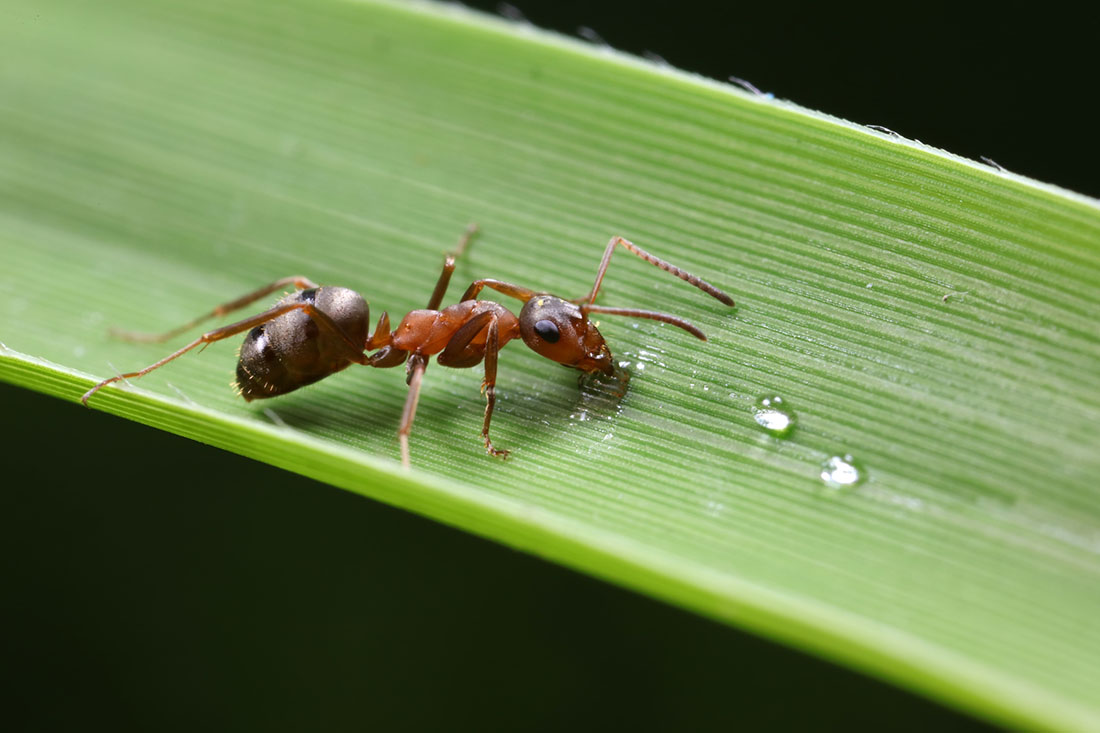
Ants are amazing creatures, especially when it comes to sniffing out that tiny crumb from your picnic a mile away. But what if their incredible sense of smell held a hidden clue, not just for finding food, but for learning about diseases like cancer? A new study suggests it might.
Danny Reinberg, Ph.D., a leading researcher at Sylvester Comprehensive Cancer Center at the University of Miami Miller School of Medicine, has been studying ants for years. He says that “Nature can tell us a lot about how biology works at the fundamental levels.” His recent work, published in the journal Nature, explores a unique genetic trick ants use, which could help us understand diseases like cancer.
How ants become super sniffers
Imagine your nose is packed with millions of tiny “smell detectors.” For most animals, like us or mice, each of these detectors is usually wired to recognize just one specific smell. It’s like having a dedicated sensor for “fresh bread” or “roses.” In mammals, picking which smell a detector responds to is a bit random and complicated. For simpler creatures like fruit flies, it’s more predictable.
But ants, specifically a species called Harpegnathos saltator, have an even bigger challenge. They have hundreds of potential “smell genes” – far more options for designing their smell detectors. So, how do they make sure each smell detector cell only activates one of those hundreds of genes to pick up a single, precise scent? This is crucial for their survival, allowing them to home in on food or danger with incredible accuracy.
Nature’s clever trick: The ant’s secret “gene switch”
The researchers discovered that ants use an incredibly precise method to solve this problem, a process they call transcriptional interference.
Imagine a long string of light switches (each representing a smell gene) in an ant’s smell detector cell. The ant needs to turn on one specific switch – say, the “sugar detector” – but make sure all the other switches nearby stay off.
Here’s how ants do it: When the ant’s body decides to activate one particular “smell gene,” it starts “reading” that gene to build its specific smell detector. But instead of stopping neatly at the end of that gene, the cellular machinery keeps reading past it, partially transcribing the genes that come after. These extra, incomplete readings act like a “stop sign” for those downstream genes, preventing them from fully activating their own switches.
At the same time, another clever process (called antisense transcription) works in the opposite direction, silencing the genes before the chosen one. The result? Only the one chosen smell gene is fully expressed and becomes a functional smell detector in that neuron.
This remarkable precision is why ants are so incredibly good at sniffing out sugary treats and leading their colony straight to your picnic basket.
As Dr. Reinberg explains, “Our findings reveal a beautifully orchestrated mechanism in ants. This level of precision is remarkable and may teach us new lessons about gene regulation in other systems.”
Why this matters for cancer research
So, what does an ant’s super nose have to do with fighting cancer? A lot, actually.
Understanding how cells precisely choose which genes to turn on or off is one of biology’s fundamental mysteries. In cancer, this precise control often goes haywire. Genes that should be “off” get switched “on,” leading to uncontrolled cell growth, or genes that should be “on” to fight disease get silenced. This disruption is a hallmark of cancer, contributing to its spread and resistance to treatments.
The unique “gene switching” mechanism discovered in ants offers a brand-new way to think about gene regulation. While transcriptional interference isn’t exclusive to ants, finding it here, distinct from how mammals or flies do it, opens new avenues for research. By studying how ants achieve such perfect gene control, scientists like Dr. Reinberg hope to gain critical insights into why these controls fail in human cancer cells.
Imagine if we could learn to harness this natural precision.
We might be able to develop new therapies that can “switch off” cancer’s harmful genes or “switch on” genes that help the body fight the disease.
The study also hints at the importance of how our DNA is packaged (called chromatin structure) and marked (epigenetics) in controlling gene expression. Just like how different packaging can make certain chapters of a book easier or harder to read, changes in chromatin can activate cancer-promoting genes or silence vital tumor-fighting genes.
Dr. Reinberg emphasizes the hope this research brings.
“Nature’s way of controlling gene activity reminds us that precision is possible, even in complex systems. By learning from these natural safeguards, we move closer to therapies that can switch off cancer’s harmful genes and restore balance, offering hope for a future where cancer can be overcome.”
Originally written by Monica Smith. Repurposed by AI. Medically reviewed and approved by Dr. Danny Reinberg.
Tags: Ant behavior research, cancer research, Cancer treatment iresearch, Dr. Danny Reinberg, Sylvester Comprehensive Cancer Center, Transcriptional biology

