
What to Expect After Brain Surgery for Cancer
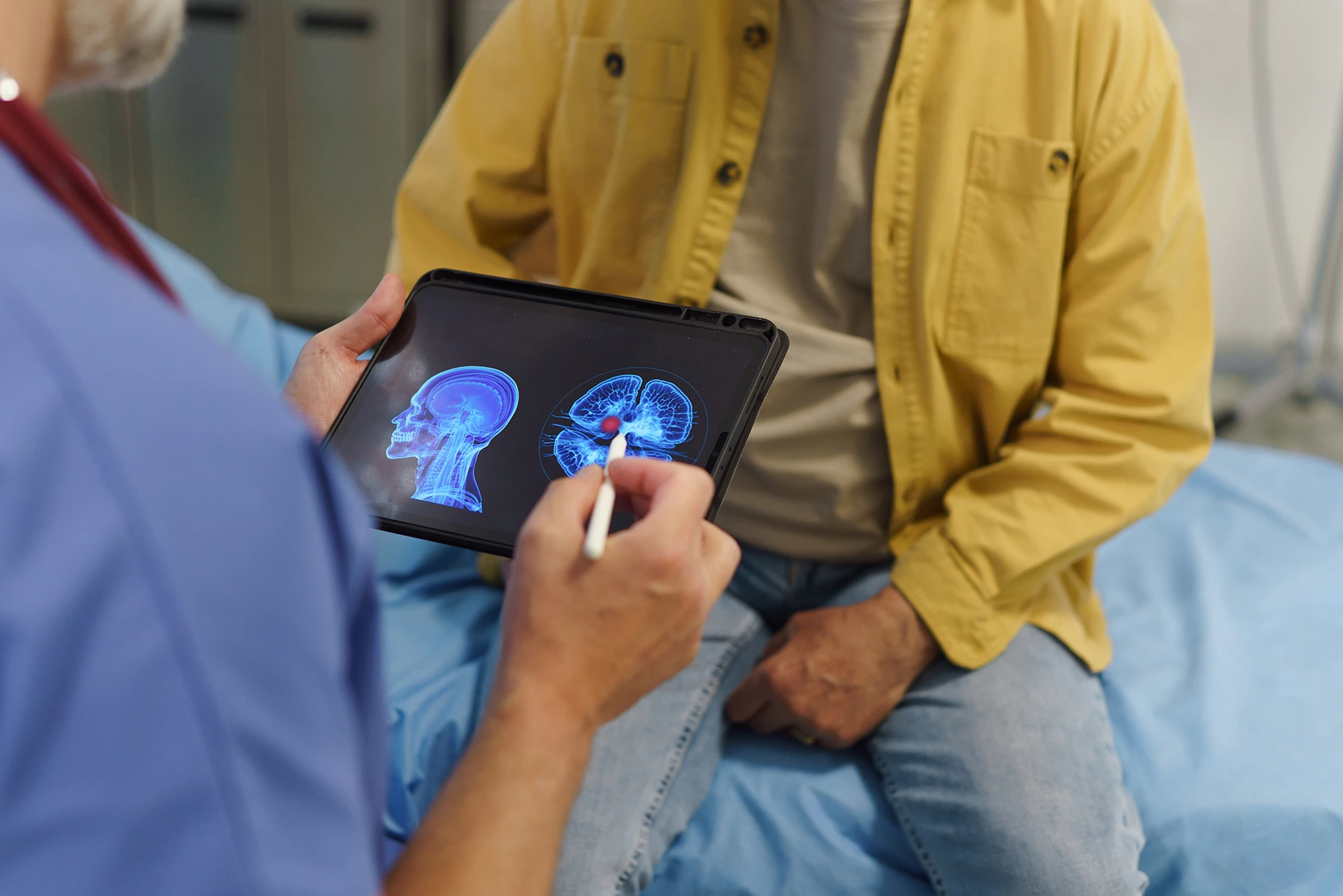
For many people with brain cancer, surgery is a critical step, one that can bring relief, answers, and a clearer path forward. Yet, learning that you need brain surgery can feel like standing at the edge of unfamiliar territory. If you’re like most patients, you have one big question: What will life feel like after this?
There is no single answer to that question. Everyone’s journey after brain surgery is different, and recovery is not a straight line. Some stretches will be smooth, others slower, and knowing what’s ahead can help you move forward with confidence.
Today, patients have more hope than ever for surviving brain tumors. At Sylvester Comprehensive Cancer Center, part of UHealth – the University of Miami Health System, patients have access to a wide range of treatment options. Surgeons at the Sylvester Brain Tumor Institute integrate treatments such as minimally invasive and awake surgeries, laser ablation, Gamma Knife radiosurgery, and robotic neurosurgery with personalized medical therapy, radiation and clinical trials.
“Our patients have access to both today’s standard of care and clinical trials that will define tomorrow’s standard of care,” says Ricardo Komotar, M.D., surgical director of the Sylvester Brain Tumor Institute and a professor of neurological surgery at the Miller School of Medicine. “Because Sylvester is an academic medical center and National Cancer Institute-designated, we have access to the latest scientific research.”
Waking up: A new normal after brain surgery for cancer
While each patient’s postsurgery journey is different, most will wake up in a recovery area or intensive care unit, where a care team keeps a close watch on how brain and body are responding postsurgery. Many patients feel groggy, emotional, or disoriented, as if their brain is rebooting after a long journey. That feeling is temporary for most patients.
“Right after surgery, the brain needs quiet time to recover,” Dr. Komotar says. “Fatigue, confusion, or mood changes don’t mean something is wrong. They’re often signs the brain is healing.”
Headaches, nausea, and soreness near the incision are also expected. Medications help manage discomfort, and nurses regularly check speech, movement, and alertness, small tests that quietly confirm the brain is finding its footing again.
The hospital stay: Strength returns in small steps
Most patients go home the next day after brain surgery. “We use a variety of protocols and supportive treatments to keep pain low and hospital stays very short,” says Ashish Shah, M.D., section chief of surgical neuro-oncology at Sylvester and assistant professor of neurological surgery at the Miller School. “Recovery today can be surprisingly quick.”
Those who stay in the hospital for longer may find that recovery happens in increments so small they’re easy to overlook: sitting up, standing, taking a few steps down the hall. Therapists may begin working with a patient early to support balance, speech or strength. Think of this phase as scaffolding, temporary support while the brain regains stability.
Going home: Recovery isn’t linear, and that’s OK
Returning home can bring relief, but it can also be surprising. Many patients expect steady improvement, yet recovery often moves in waves. Good days may be followed by slower ones. Swelling in the brain can temporarily amplify symptoms before they ease.
“Brain surgery affects more than one area at a time,” Dr. Shah explains. “Healing isn’t just physical. It’s neurological, emotional and deeply individual.”
Patients may notice changes in sleep, attention or mood. Fatigue is common and can feel heavier than expected. The brain, like a muscle after surgery, is relearning its rhythm. It’s important to remember that rest is part of the work the brain is doing behind the scenes.
Care providers will provide clear instructions about medications, activity, and warning signs, such as worsening headaches or new symptoms, so you know when to call your care team.
Emotional healing: It matters, too
Brain surgery can stir powerful emotions: fear, relief, frustration, and hope, sometimes all in the same day. Emotional recovery is just as real as physical healing. Support from loved ones, counselors and peer groups can help with navigating this terrain.
These feelings are completely normal, and a variety of resources are available to help. It’s crucial that patients tell their care team about any anxiety or mood changes.
Looking ahead: A continuing treatment journey
For many patients, surgery is one chapter in a larger treatment story. Follow‑up visits help guide next steps, whether that includes monitoring, rehabilitation or additional treatments.
Recovery after brain surgery is not about returning to who you were before. It’s about moving forward with support and the knowledge that healing is happening, even when it’s not visible.
FAQs: Common questions after brain surgery
Will I still have my memories after brain surgery?
For most patients, long‑term memories remain intact. Some experience short‑term memory changes, especially early on, as if thoughts momentarily slip through their fingers. These changes often improve with time and therapy.
“Our goal is always to protect the essence of who you are,” Dr. Komotar says. “Memory preservation is a priority whenever possible.”
Will it be hard to think or concentrate?
Thinking may feel slower, like walking through fog. Multitasking and word‑finding can take more effort at first. As swelling decreases and healing continues, clarity often returns. Cognitive rest, limiting overstimulation, can help.
Am I likely to have headaches after brain surgery?
Headaches are common in the weeks following surgery. They usually respond to medication and lessen over time. Headaches that worsen or change suddenly should always be reported to care providers.
How long until I feel normal again after brain cancer surgery?
There is no universal timeline. Some people feel like themselves within weeks; others need months, especially if additional treatments are planned.
“The minimally invasive and highly advanced surgical techniques we use to treat brain cancer today mean many patients experience rapid recovery, low levels of pain and very little time in the hospital,” Dr. Shah says. “But, healing doesn’t follow a calendar. Progress is measured in function, comfort and quality of life, not speed.”
Speeding Up Recovery From Brain Surgery
When it comes to brain surgery for cancer, several measures reduce the amount of time patients spend in the hospital, speed up recovery time, and help preserve neurological and psychological function:
- Minimally invasiveor endoscopic brain surgery
Brain surgery performed through a small incision in the skull or by threading a tube through the nostril to the tumor site; uses new imaging technologies and specialized surgical instruments - Awake craniotomy (open-brain surgery)
To better preserve speech, language and other functions when removing complex brain tumors, the patient is awakened and asked to perform tasks during part of the surgery - Gamma knife radiosurgery
Uses intense beams of gamma rays to treat brain conditions - Laser interstitial thermal therapy(also known as laser ablation)
Guided by a catheter inserted through a small hole in the skull, laser energy heats up and destroys tumor cells
Written by Rochelle Broder-Singer. Reviewed by Ricardo Komotar, M.D.
Tags: Dr. Ricardo J. Komotar, minimally invasive brain surgery, recovery after brain cancer surgery, Sylvester Brain Tumor Institute, Sylvester Comprehensive Cancer Center

