
The Second Opinion That Changed Red Gonzalez’s Prognosis
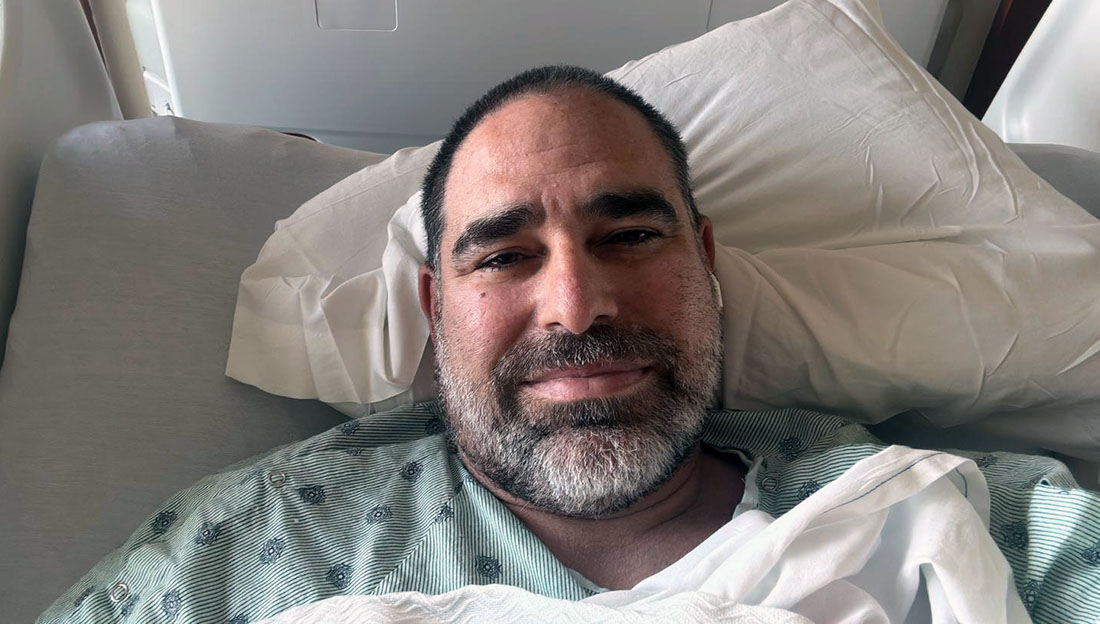
Red Gonzalez didn’t smoke. He wasn’t a heavy drinker. He felt fine. Nothing about his day-to-day life suggested that the largest blood vessel in his body was about to fail.
Then, without warning, it did.
“Boom, it hit me hard,” says Gonzalez. “I couldn’t move from the waist down.”
Gonzalez had suffered an aortic dissection, a tear in the wall of the aorta, the main artery that carries blood from the heart to the rest of the body. It is a true emergency. Emergency surgery at another hospital saved his life. Surgeons there patched his aorta and replaced a heart valve, but the repair was a temporary fix, not a permanent one.
For the next two years, Gonzalez was in and out of the hospital.
The damage spread well beyond his health. He could no longer lift anything heavy, so he lost his job driving a truck. He eventually lost his housing, too, and spent months living in a shelter. His doctors eventually told him there was nothing more they could do and suggested he think about hospice care.
Then someone pointed him toward UHealth – University of Miami Health System.
“It was like day and night,” he says.
What an aortic dissection actually is
Picture the aorta as the body’s main highway for blood. It leaves the heart, curves over like the handle of a cane (that curve is called the aortic arch) and then runs down through the chest and into the abdomen, branching off to supply the brain, the arms, the kidneys and everything else along the way.
Every heartbeat sends a pulse of pressure through that vessel wall. Over time, a weak spot may balloon outward (an aneurysm) or the inner lining can split (a dissection). Blood then pushes into the tear and travels between the layers of the wall instead of straight down the vessel.
Gonzalez’s issue was that he needed repairs in two places: the arch near his heart, and the long stretch running down through his chest and abdomen. Fixing either one is a major operation. Fixing both, in someone who had already been through emergency heart surgery, was the challenge.
Why this UHealth surgical team said yes
Gonzalez was referred to UHealth’s Comprehensive Aortic Center, where cardiac and vascular surgeons work side by side on complex aortic problems.
His care was led by the center’s two co-directors: cardiac surgeon Ciro Amodio, M.D., and vascular surgeon Jean Panneton, M.D. Between them, they have decades of experience with aortic cases.
Before anyone scheduled an operation, the case went in front of a room full of specialists. Cardiologists, vascular surgeons, anesthesiologists and others reviewed Gonzalez’s case and argued through a single question: could he safely undergo surgery?
“If the risk is too high, we don’t move forward simply because an operation is possible, but we also don’t give up,” says Dr. Amodio, an associate professor of surgery at the University of Miami Miller School of Medicine. “We look carefully at the patient’s entire history, including the surgeries they have already undergone, and evaluate what options may still be available. We want to make sure what we are proposing is both technically feasible and a reasonable risk for the patient.”
The team understood why other doctors had landed on comfort care. They just didn’t agree it was the only answer left.
Three operations, one plan
Rather than attempt everything at once, the team broke the repair into stages — separate operations, spaced out, each one setting up the next.
First, the arch. Dr. Amodio replaced the damaged aortic arch using a hybrid graft, a device that lets surgeons repair the arch and the section running down the chest in a single operation while reconnecting the major vessels that feed the brain and arms.
“It was my first time doing it at the University of Miami, but I had performed this procedure many times previously,” says Dr. Amodio.
Then, the chest. A stent graft (a fabric-lined metal tube threaded into place from inside the vessel) extended the repair farther down.
Finally, the abdomen. The last stage addressed a large aneurysm sitting right where the arteries to the kidneys branch off, which is what made it risky.
“Whenever we work on a patient with a dissected vessel, there’s always increased risk of bleeding, but he actually did quite well,” says Dr. Panneton, a professor of surgery at the Miller School. “Also, we had to interrupt blood circulation to the kidneys, and there was a risk of putting him into kidney failure. In the end, his kidney function was fine, and he did not bleed much. The next day, he was sitting up in a chair, even after major open aortic surgery.”
Know the signs
Aortic dissection is uncommon, but it moves fast, and it is often mistaken for a heart attack. Call 911 if you or someone near you has:
- Sudden, severe chest or upper back pain, often described as tearing or ripping
- Sudden severe abdominal pain
- Weakness, numbness or trouble speaking, similar to stroke symptoms
- Fainting, or a noticeably different pulse or blood pressure between the two arms
Things that raise your risk include long-standing high blood pressure, an existing aortic aneurysm, smoking, atherosclerosis, a bicuspid aortic valve, connective tissue conditions such as Marfan or Ehlers-Danlos syndrome, prior heart surgery, chest trauma and a family history of aortic disease. Risk climbs with age and is higher in men.
The single most useful thing most people can do is keep their blood pressure controlled and not smoke. If aortic aneurysms or dissections run in your family, tell your primary care doctor. Screening may be appropriate.
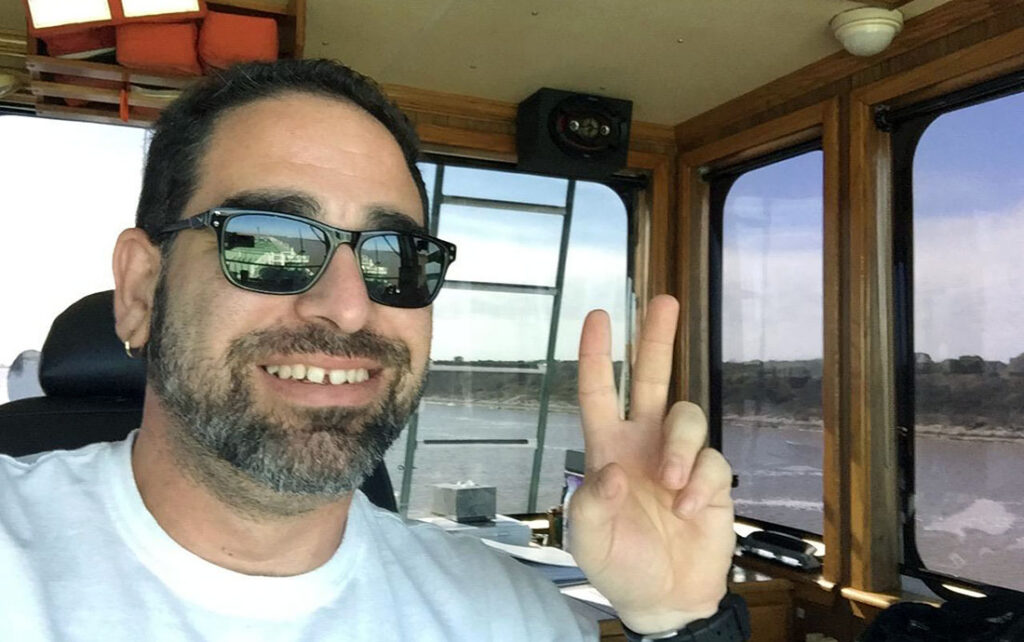
Where Red is now
Gonzalez brought the same determination to his recovery that his surgeons brought to the operating room.
“I wanted to live,” he says. “I wasn’t giving up.”
Today he can feel the difference. His circulation has improved and his blood pressure has come down. He still has limits, and he has learned to work around them.
“It’s all a miracle that I’m still processing,” he says.
Written by Josh Baxt. Originally posted on InventUM.
Comprehensive Aortic Center at UHealth
UHealth offers advanced, multidisciplinary care for patients with complex aortic disease.
Tags: aortic aneurysm, aortic dissection, Comprehensive Aortic Center, Dr. Ciro Amodio, Dr. Jean Panneton, heart surgery, high blood pressure, patient story, vascular surgery

