
Scratched Cornea? How to Recognize and Treat a Corneal Abrasion Before It Becomes Serious
The pain can be sharp but also throbbing, with a burning that allows no reprieve. Those who have experienced it say it feels like the edge of a razor. Light makes you tear. Blink and you’re certain you have some kind of grit stuck under your lid.
When you scratch your eye, the sensation is unforgettable. In medical terms, that scratch is called a corneal abrasion, and it happens when your scrape or injure the corneal epithelium, the tissue that covers the front of the cornea. The usual culprits are:
- Tree branches
- Sports injuries
- Makeup brushes and artifacts
- Sand, dust or dirt
- Improper use and poor hygiene by contact wearers
- Vigorous eye-rubbing.
A common eye injury

Corneal abrasions are not uncommon, says Kendall Donaldson, M.D., an ophthalmologist with UHealth—University of Miami Health System and medical director of Bascom Palmer Eye Institute at Plantation.
“Roughly one to two out of every 1,000 people per year will have a corneal abrasion serious enough to seek urgent medical care,” Dr. Donaldson says.
According to the National Institutes of Health, about 45% of eye-related diagnoses in emergency rooms are due to corneal abrasions and another third is due to foreign bodies. A common cause is contact lens use, namely wrong lens insertion, rubbing lens against the eye or a foreign body getting stuck between the lens and the corneal epithelium.
Though these injuries occur across all age groups, they are widespread in the workplace. U.S. auto workers, for example, have an annual incidence of 15 per 1,000 employees. In fact, about 25% of all scratched corneas happen while working. It’s more frequent in men between the ages of 25 to 35 years, probably because they tend to take riskier jobs and ignore safety measures and eye protection.
The good news is that most corneal abrasions “are not dangerous if treated properly, but they can become serious if they get infected,” Dr. Donaldson says. Without immediate care, an abrasion can turn into infectious keratitis (a corneal ulcer), which can threaten vision.
Abrasions tend to heal within 72 hours. Minor ones may be able to be managed at home. But Dr. Donaldson advises people to seek immediate medical care if the pain worsens, light sensitivity is significant, vision is reduced or there is drainage from the eye.
Contact wearers or those hit with an object should definitely go to urgent care or their eye doctor. They are at the highest risk of infections.
How doctors diagnose and treat corneal abrasions
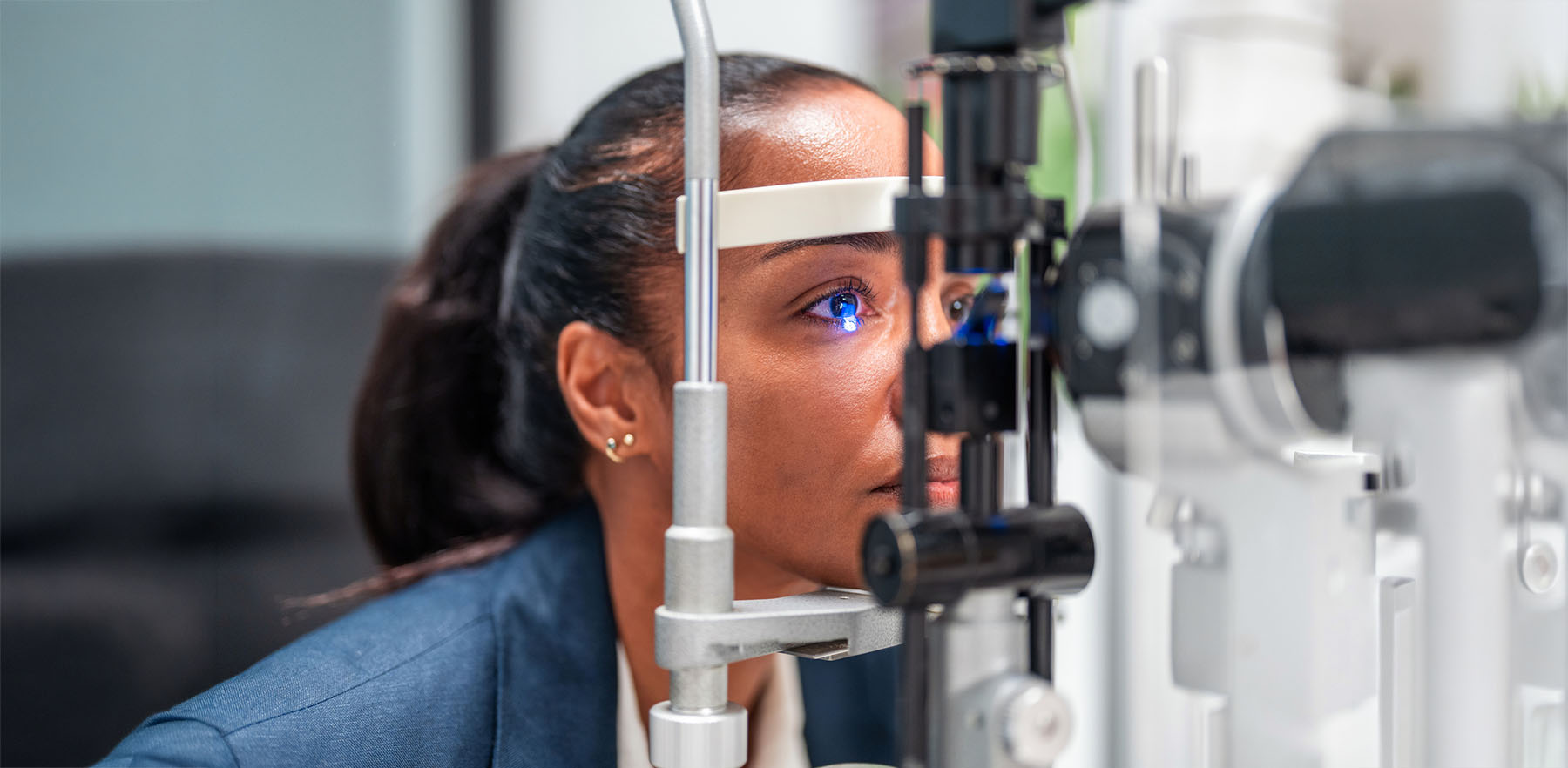
In a medical office, the clinician will make a diagnosis by taking an oral history and examining the eye with fluorescein dye under blue light. Treatment includes antibiotic drops or ointment to prevent infection and, if needed, pain control drops or oral medications. It’s also important to avoid contact lenses until the eye is fully healed. If symptoms don’t improve within 24 hours, Dr. Donaldson suggests a follow-up visit.
Though corneal abrasion treatment is straightforward, misconceptions persist. Some people begin wearing their contacts before the scratch is fully healed, damaging the cornea again. Others wait it out, risking an infection. Dr. Donaldson says some patients have the tendency to re-use old eye drops, thinking they can work across the board. But old drops can be contaminated or simply be the wrong drug.
Self-prescribed eye patches, Dr. Donaldson says, are a definite no-no.
“This is a big one,” she says. “It’s usually not recommended anymore because it can slow healing and even increase infection risk.”
Of course, the best thing one can do to avoid a corneal scratch is by leaning on tried-and-true prevention techniques:
- Wear proper protective eyewear. Eyeglasses alone won’t do. This is especially important for people in lawn work, construction, metal grinding, woodworking and lab work. Use impact-resistant ANSI Z87.1–rated safety glasses, as well as face shields and side shields.
- Match eye protection to the sport. In basketball, hockey, baseball and any sport that uses pucks or sticks, wear polycarbonate sports goggles and, when possible, add a helmet and face shields, particularly for hockey and lacrosse. Runners, skiers and cyclists should use wraparound eyewear to protect from dust, wind and UV exposure.
- Practice proper contact lens hygiene. Clean and disinfect lenses correctly. Don’t overwear them or sleep in them. Also, remove lenses when your eyes feel dry.
- Avoid rubbing your eyes. If your eyes are dry, you might cause small scratches.
- Keep your eyes lubricated. Ask your eye care provider for recommendations on artificial tears. Tear film reduces the risk of injury.
Written by Ana Veciana-Suarez. Medically reviewed by Kendall Donaldson, M.D.
Tags: cornea, corneal infection, corneal specialist, Dr. Kendall Donaldson, ophthalmologist

