
Eye Drops Safety: Tips from an Ophthalmologist
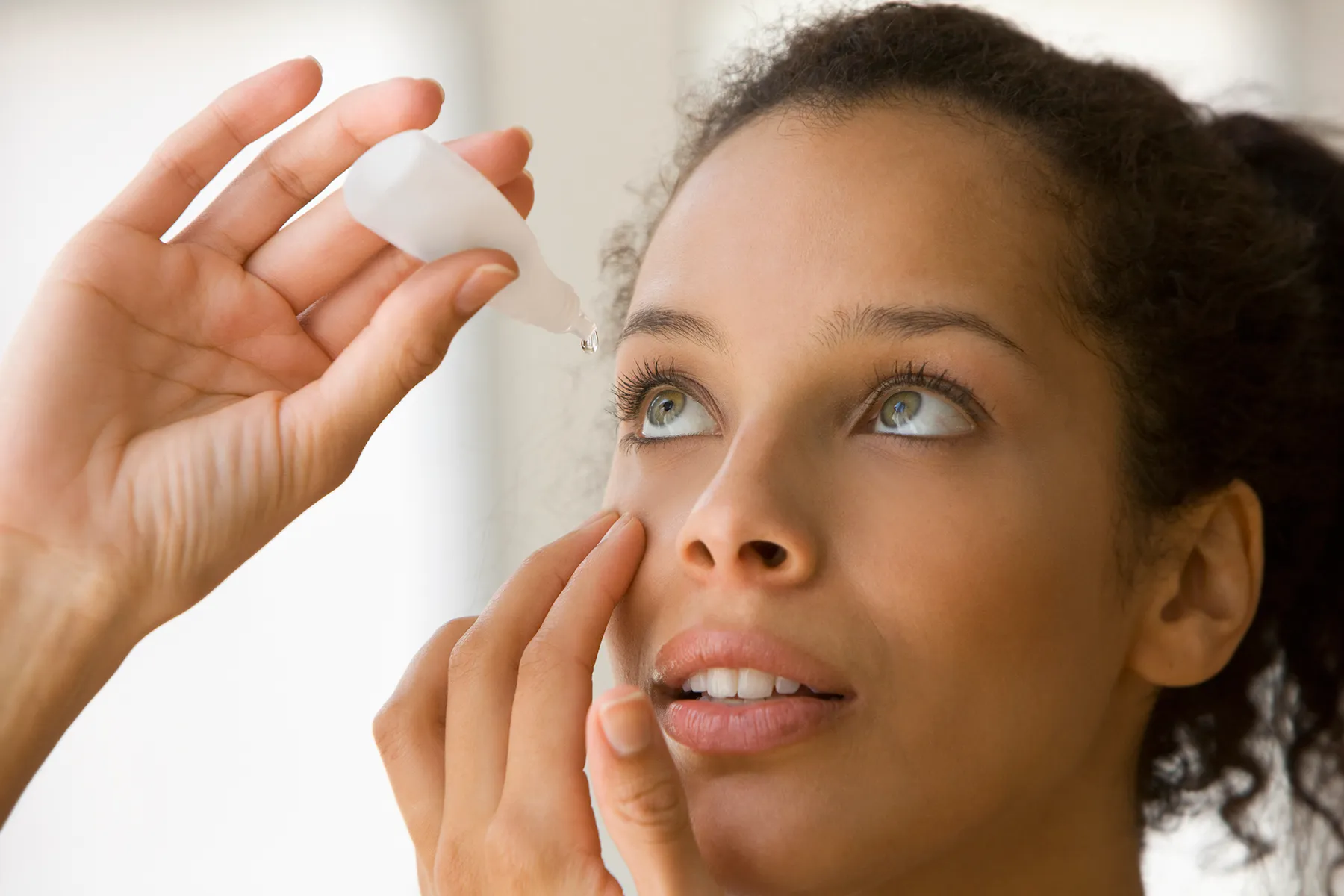
Recent recalls of certain prescription and over-the-counter eye drops may have you wondering if it’s safe to use the little bottles in your medicine cabinet. Even if your particular eye drops have not been recalled, this is a good reminder that putting anything onto the surface of your eyes, like drops for dryness, redness, or itching, requires certain safety precautions to avoid irritation, infection, and vision loss.
Why are some eyecare products recalled?
The Food and Drug Administration requires all eye drops to comply with Current Good Manufacturing Practices to ensure they are sterile. Additionally, prescription eye drops are reviewed by the FDA, but over-the-counter artificial tears and other nonprescription eye drops do not undergo the same rigorous process (much like unregulated vitamins and supplements).
Many over-the-counter lubricating eye drops are now formulated without traditional preservatives that protect the eye drop solution from contamination.
“Preservatives, which can be irritating to the eye when applied frequently, are actually extremely effective at protecting the eye drop solution from microbial contamination,” says Terrence P O’Brien, M.D., an ophthalmologist at Bascom Palmer Eye Institute, part of the University of Miami Health System. “But, many ’preservative-free’ over-the-counter and prescription eye drops no longer contain this additional protection, so extra caution with administration of eye drops is advised.”
While rare, eye drop product contamination can be a source for delivery of virulent microorganisms directly onto the eye. This can result in severe eye infection, causing vision impairment and, in some cases, even life-threatening complications.
“The latest group of eye drop recalls includes a class II FDA recall of 2.5 million bottles of prescription prednisolone acetate steroid eye drops from a manufacturer in India that voluntarily removed their products after some were determined to contain ‘foreign substances’ potentially of ocular harm,” Dr. O’Brien says. “Separately, there is a recall of 3 million bottles of over-the-counter eye lubrication drops due to microbial contamination.”
Are your eye drops safe to use?
“It can be quite confusing, as the names of many eye drops sound alike, and the bottles/packaging look similar,” he says. “To determine if your eye drops have been recalled, carefully check the brand name on the bottle, the lot number, and the expiration date against the FDA database.”
These resources can help you verify if particular eye drops are recalled:
FDA drug recalls: Search this database by brand name or NDC (national drug code) number to find ongoing and past recalls.
FDA MedWatch: Sign up for email alerts to get notified of new medical product recalls and safety alerts.
Eye Drop Safety: This independent resource frequently compiles updated lists of FDA-warned and recalled eye drops.
Retailer and manufacturer websites: Major chains like CVS Health, Walgreens, and specific drug manufacturers often list recalled lot numbers and refund procedures on their dedicated recall pages.
If you have a product that has been recalled or is expired, immediately stop using it and throw it away.
Tell your doctor if you’re experiencing any ocular symptoms after using any vision care product (prescription or over-the-counter). “Promptly contact your eye doctor if you are experiencing any changes in vision, ocular pain, increased sensitivity to light, redness, discharge, or other or signs of eye infection,” Dr. O’Brien says.
How to use eye drops safely
- Store eye drops in a clean, temperate, and convenient space for access. Do not keep them in dusty, warm environments nor leave eye drops in a hot car.
- Before you even touch the bottle, or put in eye drops, always wash your hands thoroughly.
- Elevate and lean back your head and neck. Pull down your lower eyelid to create a space. Avoid touching the tip of the eye drop bottle to your skin, eyelid, and eyelashes to avoid potential contamination. Let gravity allow the drop to reach the surface of your eyeball.
- Close your eyes for 30 seconds to allow the drops to be absorbed.
- Replace the bottle cap promptly to keep the tip clean.
Trust your eyes to the country’s number one eye care hospital.
When you or your family need emergency eye care or routine vision checks, visit a vision expert at Bascom Palmer Eye Institute.
Schedule a visit with a skilled eye doctor for urgent care at a Rapid Virtual Eye Care service provider. They will discuss your symptoms, recommend treatments, and prescribe any medications. Routine in-person and virtual visits are also available.
Call 800-329-7000 to schedule an appointment with a Bascom Palmer ophthalmologist.
Written by Dana Kantrowitz. Reviewed by Terrence P O’Brien, M.D., an ophthalmologist at Bascom Palmer Eye Institute, part of the University of Miami Health System.
Tags: Bascom Palmer Eye Institute, Dr. Terrence O'Brien, eye drop recall, eye drops, eyedrop recall, eyedrops, opthalmology, vision loss prevention

