How Safe is Your Drinking Water?
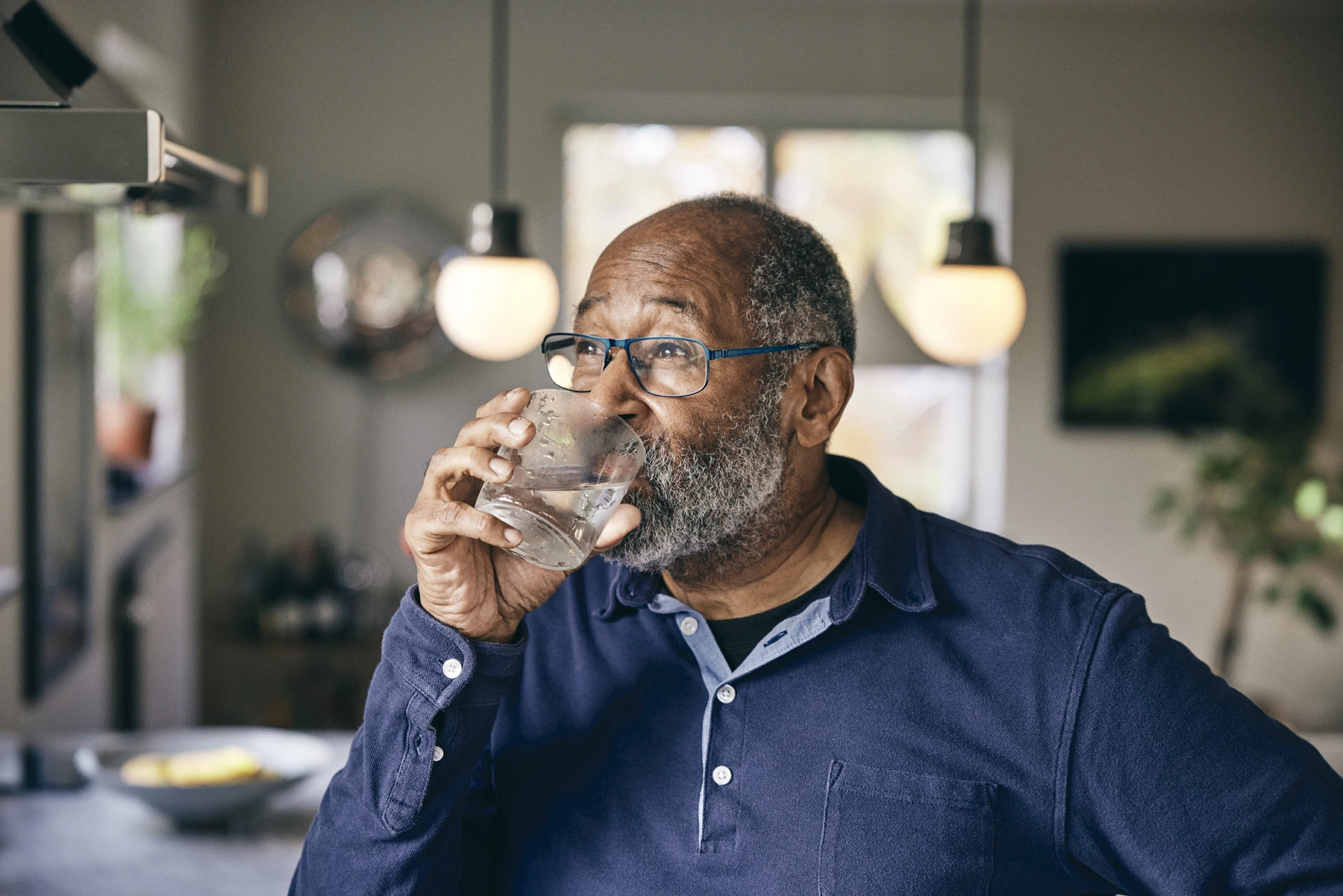
We all put a lot of trust in our drinking water. Adequate hydration is critical to good health, and no liquid is better for your body than water. At the same time, many people wonder just how safe the water coming from their household taps really is.
Naresh Kumar, Ph.D., professor of environmental health at the University of Miami Miller School of Medicine, says that Americans can rest assured that their water is among the safest in the world. That’s due to the Safe Drinking Water Act (SDWA).
“Under that law, water delivered into your home anywhere in the United States must be safe for drinking. Period,” he says.
Whether your water is provided by your local municipality or another provider, they are required by federal law to ensure that it’s safe and to test it regularly to ensure it meets all safety standards. Those results are also publicly available and often provided to customers via mail or online. You can also visit MyTapWater.org to find the results for your own municipality.
New pollutants have emerged
The drinking water in the U.S. is federally protected, Dr. Kumar says. But the SDWA was passed in 1974, so it doesn’t account for pollutants that have entered the water supply since. These include a category of ‘chemicals’ known as per- and polyfluoroalkyl substances, or PFAS, that are found in household goods like cleaning products, makeup, personal hygiene products, paint, and others. They also include microplastics, pharmaceuticals, and other nanoparticles.
“When the Safe Drinking Water Act was passed, we didn’t have a lot of these pollutants in water because they didn’t exist yet,” says Dr. Kumar. “Most water treatment systems weren’t designed to deal with them.”
Filter through your personal protection options
Dr. Kumar says that the long-term health implications of these pollutants are not fully understood, but they are present almost everywhere. They include:
- pharmaceuticals
- personal care products
- microplastics
- other nanoparticles
If you’re concerned about these contaminants, a water filter designed to reduce them may help protect you and your family.
You’ll want to do your research, as not every option specifically filters out PFAS and other nanoparticles. According to the Environmental Working Group, several high-quality filters are available ranging from pitchers and containers for your refrigerator to faucet-mounted filters for larger home systems.
“We’re also not completely clear on the impact of plastic containers on the water we drink, so I recommend glass and stainless steel containers whenever possible,” says Dr. Kumar.
Is the problem in your pipes?
We’ve all heard about or experienced water that smells funny, tastes bad, or is discolored. In many cases, these may be home plumbing issues, including poorly maintained faucets and showerheads, rather than water quality issues. Dr. Kumar recommends regularly cleaning faucets and faucet filters. This is a common source of mildew contamination that can lead to illness.
“Your municipality is legally required to deliver safe drinking water to your home, but once it enters your property, plumbing is your responsibility,” he says. “If you have old, corroded pipes, dirty faucets, or other problems with your plumbing, this may be the cause of quality concerns outside of the municipal water supply.”
He adds that if your water is discolored or has a bad taste or smell, call your local water department immediately. They are required to address such issues to ensure that your water is safe.
Written by Wyatt Myers. Reviewed by Naresh Kumar, Ph.D.
Sources
Water: Essential for your body, Mayo Clinic, 2022, https://www.mayoclinichealthsystem.org/hometown-health/speaking-of-health/water-essential-to-your-body-video
Is Your Drinking Water Safe?, American Academy of Pediatrics, 2023, https://www.healthychildren.org/English/safety-prevention/all-around/Pages/Is-Your-Drinking-Water-Safe.aspx
Interview with Naresh Kumar, Ph.D., a professor of environmental health with the University of Miami Miller School of Medicine.
Safe Drinking Water Act (SDWA), EPA, 2026, https://www.epa.gov/sdwa
MyTapWater.org, 2026, https://mytapwater.org/
Tags: Dr. Naresh Kumar, drinking water safety, how safe is tap water, microplastics in drinking water, tap water safety

