
How Much Protein Do You Really Need Each Day?
Protein is currently enjoying a moment in the limelight. Shelves in the supermarket are filled with products like high protein soda, macaroni and cheese, and toaster pastries, among others. All this protein may have you wondering: Do I need to increase my protein intake? The answer may not be that straightforward.
Protein Basics
First, let’s break down what protein is and why we need it. Proteins are synthesized from a set of 20 common amino acids that are linked together. Amino acids form many complex and unique configurations and are needed by your body in several important ways. For example, they help maintain body structure, mobility, oxygen transport, metabolism, and immune function, just to name a few.
The importance of dietary protein to life has been demonstrated as far back as the nutritional experiments of François Magendie in the early 1800s, when dogs fed diets of only flour and fat died and those fed eggs or cheese lived. Proteins are an essential nutrient to preserve health, especially for growing bodies and in times of stress. We should be prioritizing meeting our needs for the day.
How Much Protein Do You Need?
The minimum protein requirement for adults to sustain healthy bodily functions is approximately 0.8 grams per kilogram of body weight. However, you likely need more for optimal function and to maintain your ideal weight. The latest evidence on protein intake suggests that adults should strive for around 1.2 to 1.6 grams per kilogram of body weight. These needs are also similar for growing children and start at around 1.5 grams per kilogram in infancy. What this looks like for a 150-pound adult each day is around 82 grams (1.2 grams of protein per kilogram), as opposed to the prior recommendation of 55 grams daily (0.8 grams of protein per kilogram).
The Right Protein-Rich Foods
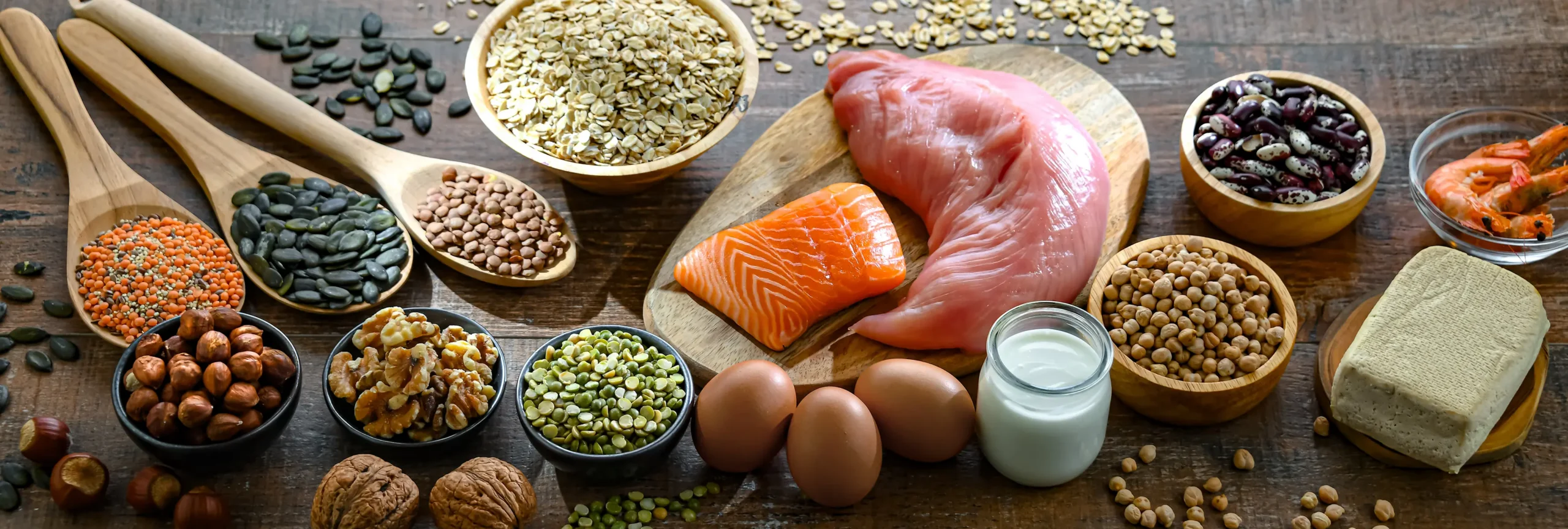
Dietary protein can come from both animal- and plant-based forms. Animal proteins include poultry, eggs, dairy, beef, pork, and fish. Plant-based forms include soy, legumes, lentils, peas, nuts, seeds, and whole grains. A mixed diet that includes both plant and animal sources can help you meet your protein needs while also providing valuable micronutrients.
Plant-based proteins can help with meeting fiber needs, as well, which most people tend to not get enough of each day. This can also balance out animal sources of protein, some of which are high in saturated fat and can have a negative impact on your heart health.
Do Most People Need to Eat More Protein?
Now back to the burning question: Do you need to be eating more protein each day? Despite what commercials and the shelves at the grocery store seem to be telling you, the answer is probably no if you are eating regular meals throughout the day that each contain protein.
As you are selecting your protein sources each day, keep in mind that unprocessed animal- and plant-based sources of protein are your best bets. These are the foods used to determine your dietary protein needs in scientific studies.
Foods that have supplemental protein added to them, such as sodas or breakfast pastries, may not provide the same benefits or fit in a daily balanced diet. Instead, aim for daily meals that include a protein “anchor,” as well as plenty of high-fiber, plant-based foods to provide sustained energy, nutritional adequacy, and support for your cardiovascular and gut health.
Other Protein Considerations
It’s also possible to consume too much protein. Protein beyond what is required can be stored as fat and lead to weight gain. Population data shows that the average U.S. adult consumes more protein than the daily requirements with the majority coming from animal-based forms.
Keep in mind that protein needs can vary from person to person. If you have any conditions that can impair your protein utilization, like kidney disease, speak with your health care provider about what your unique needs may be. Guidelines for the general public may not apply in certain medical situations.
Written by Christy Nicolle Figueredo, Clinical Dietitian.
Sources
- Stipanuk MH, Caudill MA. Chapter 15: Protein and amino acid requirements. In: Biochemical, Physiological, and Molecular Aspects of Human Nutrition. 3rd ed. Saunders Elsevier; 2013
- Trumbo P, Schlicker S, Yates AA, Poos M; Food and Nutrition Board of the Institute of Medicine, The National Academies. Dietary reference intakes for energy, carbohydrate, fiber, fat, fatty acids, cholesterol, protein and amino acids. J Am Diet Assoc. 2002;102(11):1621-1630. doi:10.1016/s0002-8223(02)90346-9
- US Department of Health and Human Services; US Department of Agriculture. The Scientific Foundation for the Dietary Guidelines for Americans, 2025-2030: Appendices. Published January 28, 2026. Accessed July 8, 2026. https://cdn.realfood.gov/Scientific%20Report%20Appendices_FINAL_1.28.26.pdf
- Hoy MK, Clemens JC, Moshfegh A. Protein Intake of Adults: What We Eat in America, NHANES 2015-2016. 2021 Jan. In: FSRG Dietary Data Briefs [Internet]. Beltsville (MD): United States Department of Agriculture (USDA); 2010-. Dietary Data Brief No. 29. Available from: https://www.ncbi.nlm.nih.gov/books/NBK589212/
Tags: animal protein, best sources of protein, daily protein needs, high-protein foods, how much protein per day, plant-based protein, protein intake per day, protein requirements, too much protein

