
A Lung Nodule Showed Up on Your Scan. What Happens Next?
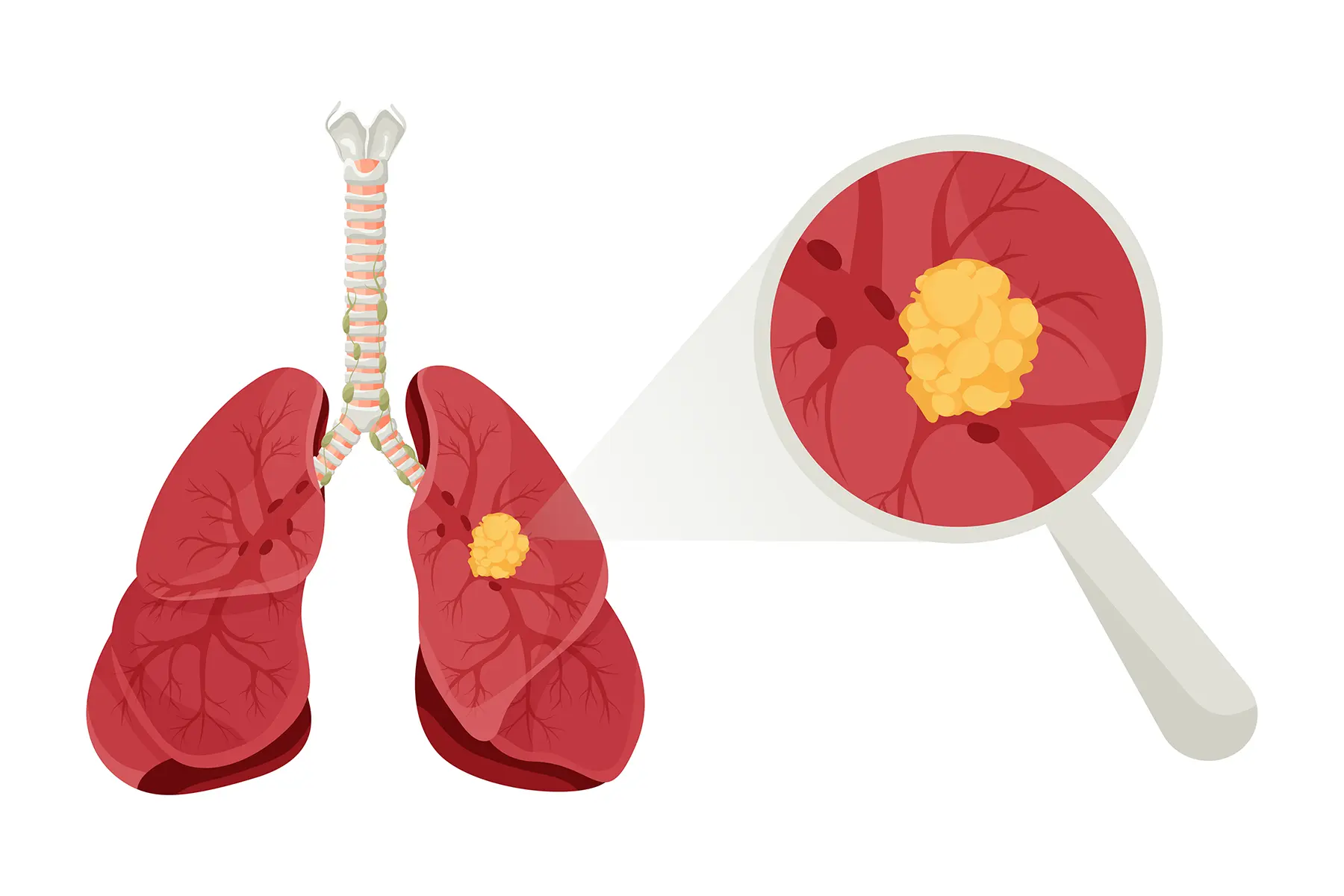
Most lung nodules found unexpectedly are not cancer. A new UHealth clinic in Miami helps patients understand these findings and get the right follow-up care.

A scan for chest pain or another medical concern can sometimes reveal something completely unexpected: a small spot, or nodule, on the lung.
Hearing that you have a lung nodule can be frightening, but there is an important fact to know right away.
“Most incidental nodules are not cancer,” says Estelamari Rodriguez, M.D., a UHealth oncologist and lung cancer expert. “They’re often scars from old infections or other harmless findings, and we tell patients that from the first conversation.”
Still, some lung nodules need to be monitored or evaluated further. That is where UHealth’s new Incidental Lung Nodule Clinic comes in.
The clinic helps make sure lung nodules discovered unexpectedly on imaging receive appropriate follow-up. It combines AI-assisted technology with a nurse navigator and a team of specialists who can guide patients toward the next step in their care.
What Is an Incidental Lung Nodule?
An incidental lung nodule is a small spot on the lung discovered when a patient has imaging for another reason. For example, someone might have a chest scan in the emergency department because of chest pain or concern about a blood clot. The scan may reveal a lung nodule even though doctors were not looking for one.
Many nodules simply require another scan later to see whether they have changed. Others may need evaluation by a specialist or additional testing.
The Incidental Lung Nodule Clinic helps make sure these findings do not get overlooked.
“Incidental nodules may not be the purpose of the scan, but they can be actioned,” says Toni Pryor Leavitt, D.N.P., A.P.R.N., executive director for care coordination at University of Miami Hospital and Clinics. “You can enroll patients in surveillance, coordinate consults and biopsies, if warranted, and potentially detect a cancer sooner.”
How Does the Clinic Work?
The program reviews radiology reports for incidental lung nodules that may need follow-up. AI-assisted technology helps identify reports that may require attention, but it does not diagnose lung cancer or decide how a patient should be treated. Those decisions remain in the hands of the clinical team.
A dedicated nurse navigator reviews findings and helps patients move through the appropriate next steps. Depending on the individual, that might involve another scan, an appointment with a specialist, a biopsy or treatment.
For patients facing an unexpected finding, having someone help coordinate that process can also make the experience less confusing.
“Much of the worry comes from not knowing what happens next,” Dr. Rodriguez says. “Our nurse navigator gives every patient a clear plan and organizes the next steps.”
A multidisciplinary team that includes specialists in pulmonology, thoracic surgery, radiology, oncology and patient navigation also meets regularly to collaborate on patient care.
Why Early Follow-Up Matters
Most incidental lung nodules will not turn out to be cancer. But when a nodule is cancerous, finding it early can make an important difference.
“Finding it early can mean the difference between a cure and managing a chronic, life-limiting illness,” Dr. Rodriguez says.
The goal is to identify concerning nodules at a point when patients may have more treatment options.

“In the United States, over 70% of lung cancers are diagnosed at stage 3 and stage 4, meaning when they have already metastasized outside the lung,” says Diego Avella-Patino, M.D., a UHealth thoracic surgeon and associate professor at the University of Miami Miller School of Medicine. “The goal is to identify these nodules, proceed with the adequate work-up and diagnose lung cancers at a very early stage where you could potentially cure them.”
Is This the Same as Lung Cancer Screening?
No. The Incidental Lung Nodule Clinic and lung cancer screening serve different purposes.
Lung cancer screening is designed to look for cancer in people who meet specific screening criteria. The Incidental Lung Nodule Clinic focuses on nodules discovered unexpectedly when someone has imaging for another medical reason.
That distinction matters. Not everyone who develops lung cancer qualifies for traditional screening.
“Many people who develop lung cancer aren’t eligible for screening, including never-smokers, younger patients and many women and Hispanic patients in our community who can present with cancer with less smoking history,” Dr. Rodriguez says.
By following up on suspicious findings discovered during other medical care, the clinic provides another opportunity to identify potential lung cancers earlier.
Questions About a Lung Nodule?
The Incidental Lung Nodule Clinic can help connect you with appropriate next steps and resources.
Call 305-689-LUNGWhat Should You Do If a Scan Finds a Lung Nodule?
First, remember that a lung nodule does not mean you have lung cancer. Most incidental nodules are not cancer.
What happens next depends on factors such as the nodule’s size and appearance and your individual risk factors. Some people may need another scan after a period of time. Others may need to see a specialist or have additional testing.
The Incidental Lung Nodule Clinic can help patients understand what comes next and connect them with appropriate care.
“It’s been a great opportunity for collaboration across our health system,” Leavitt says. “It touches so many departments and allows for excellent and efficient care coordination.”
For Dr. Rodriguez, success ultimately means finding cancers earlier while providing reassurance and a clear path forward for people whose nodules are not cancer.
“We’ll track stage at diagnosis over time,” Dr. Rodriguez says. “Success means catching cancers earlier while giving everyone else reassurance and a clear plan.”
Originally published on InventUM. Version reviewed and approved by Diego Avella-Patino, M.D., and Toni Pryor Leavitt, D.N.P., A.P.R.N.
Tags: are lung nodules cancerous, Dr. Diego Patino, Dr. Estelamari Rodriguez, incidental lung nodule, lung nodule clinic, lung nodule monitoring, lung nodule specialist Miami, lung nodule treatment

