
The Power of Art to Promote Healing
Clinicians, patients, and survivors contribute to Sylvester’s Art is Medicine exhibit.
Gerald Soff, M.D., refuses to think of himself as an artist.
“I have no artistic talent,” says Dr. Soff, chief of classical hematology at Sylvester Comprehensive Cancer Center, part of UHealth – University of Miami Health System and professor of clinical medicine at the UM Miller School of Medicine. “I’ve tried Drawing from the Right Side of the Brain and took some art classes. I aspired to be mediocre and never got there.”
Nonetheless, Dr. Soff will have two of his photographs in the fourth annual Art Is Medicine exhibit – and Desert Horse-Grant, chief transformation officer for Sylvester, and the Art is Medicine curator, thinks they are pretty spectacular.
Hosted by Sylvester, Art is Medicine launched Nov. 25 in conjunction with Miami Art Week.
The exhibit features artwork submitted by patients, survivors, caregivers, providers, staff and artists.
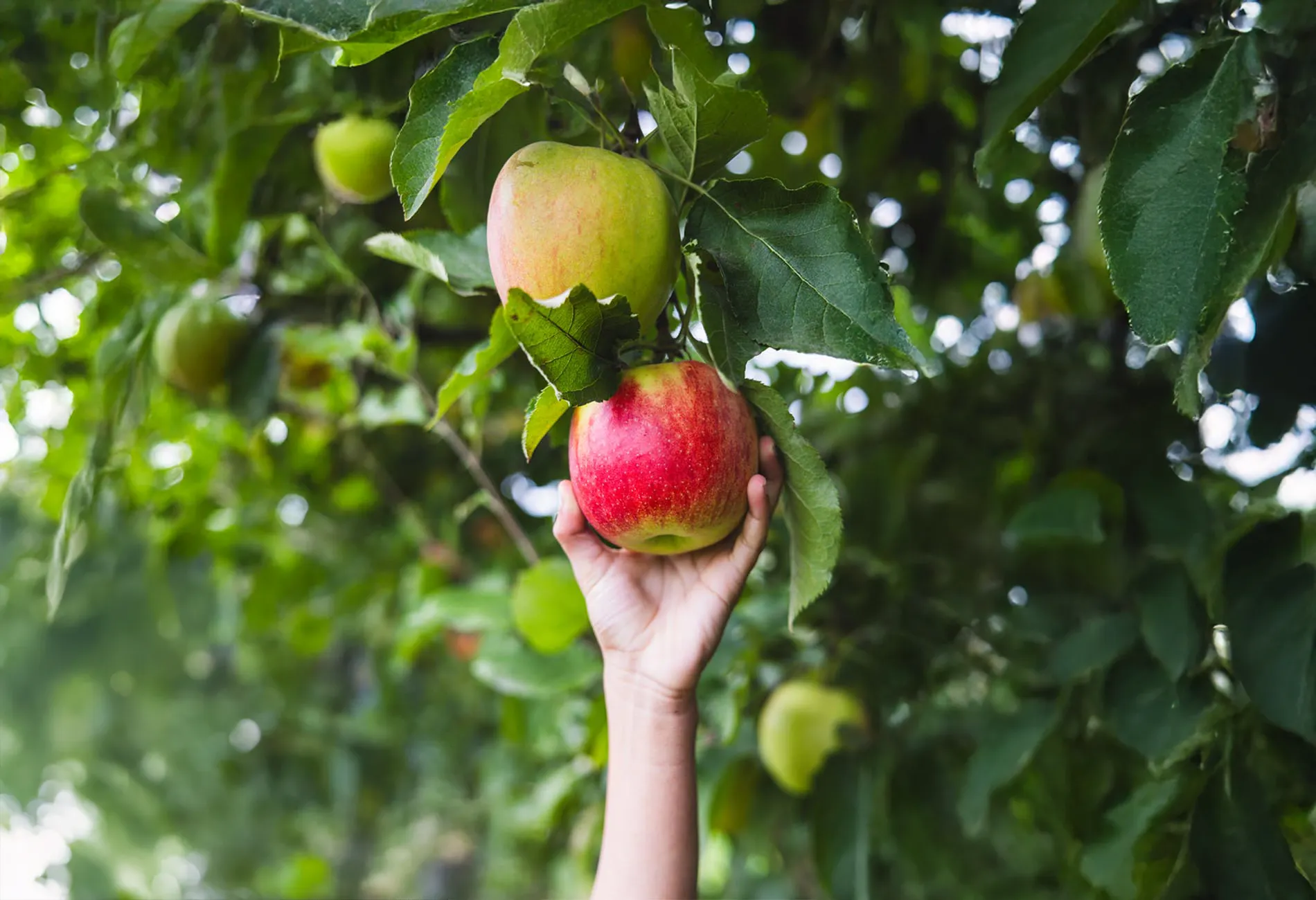
This year’s exhibit theme, “The Power of the Palette,” showcases food as medicine on the main stage, with a QR code to learn more about the related science happening at Sylvester, including the gut microbiome, cell therapy, and nutrition. Contributions from a crowd-sourced art competition surround those works. Professionally printed and displayed in the Sylvester Gallery, showing the name of the artist, the title and their relationship to Sylvester (patient, doctor, caregiver, etc.).

Dr. Soff’s photos, of a soaring bald eagle and a grizzly bear, were both taken on a recent visit to Alaska. Horse-Grant juxtaposes them in a tropical setting to showcase the biodiversity of our great nation. Dr. Soff especially enjoys photographing wildlife and has folders full of digital images, such as blue-footed boobies in the Galápagos, a sleeping baby seal, lava lizards, and one of his favorites, a leaping dolphin perfectly silhouetted against the ocean. He uses a telephoto lens and an SLR camera that he won in a raffle a few years ago.

Dr. Soff became aware of the healing power of art while serving on the art selection committee at a major metropolitan hospital. Though the hospital had a large budget and had hired an art consultant, he found many of the selections “hideous.” The experience prompted him to think about what patients and their families might want to see in hospitals.
“I started taking pictures of things I would want to see if I were a patient. Illness can be horrible, but life is fundamentally beautiful, and that’s what I want to capture in my photos,” he says.
The healing power of nature
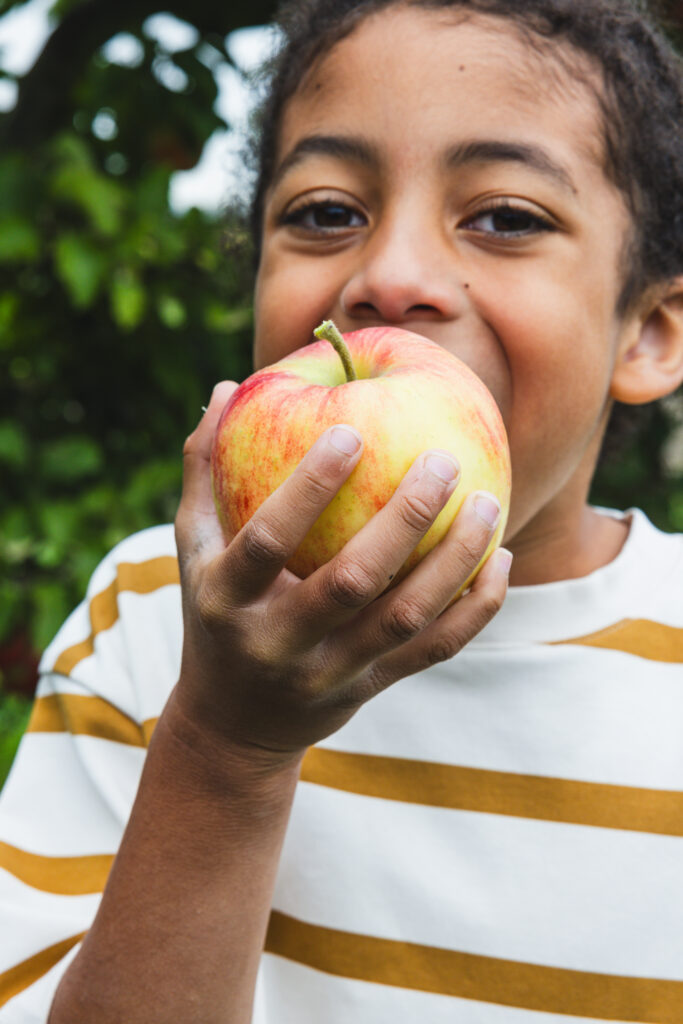
The Art is Medicine gallery aims to foster emotional well-being and a sense of community. It invites patients, visitors and staff to pause, reflect and engage with art as a source of comfort, resilience and connection.
Michael Rosen, a retired consultant for the National Oceanic and Atmospheric Administration and NASA, who is currently undergoing cancer treatment at Sylvester, first became drawn to nature photography during the 20 years he lived in Israel, a corridor for migratory birds. While Rosen has also photographed thousands of flowers and plants, birds are one of his favorite subjects. His photo “Great Blue Herons,” taken in the Wakodahatchee Wetlands at Delray Beach, Fla., will be part of the exhibit.
“From a spiritual or religious standpoint, these are God’s beautiful creatures, and I think I’m very sensitive to their sheer beauty,” he says.
Studies have shown that exposure to nature-inspired imagery can reduce stress, improve mood, and enhance cognitive function.
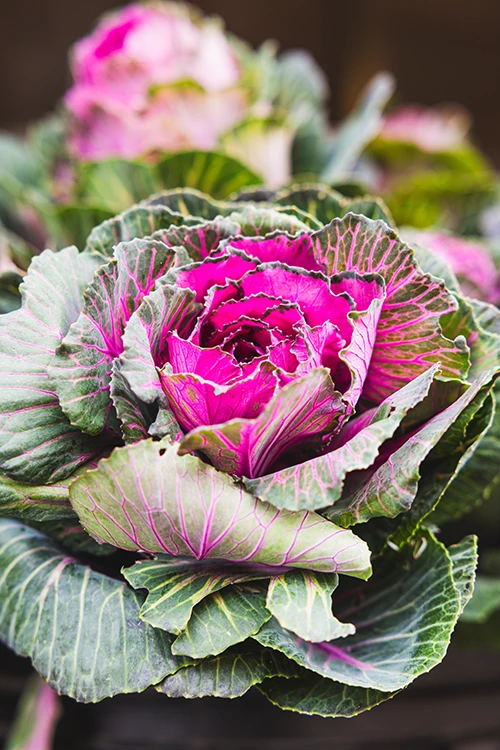
These benefits that are especially meaningful in a health care setting.
Rosen became more attuned to the healing power of nature during his radiation treatment, when, for convenience, he and his wife rented a place near the treatment center.
“The place was a blessing. It was backed by a canal, and across the canal was an arboretum, and it was a quiet, beautiful area. Just being able to go outside, either walking or sitting on my walker, watching the few birds that came there, was tremendously healing,” he says.
Rosen hopes his photos will inspire others to appreciate the natural beauty around them. He talks about one of his favorite bird sanctuaries in New York, the Jamaica Bay Wildlife Preserve, located off an exit sandwiched between a strip mall and JFK airport.
“You’d go by the strip mall, and there would be hundreds of cars parked there. Then you’d get to the sanctuary, and maybe there would be 20 cars. And I always questioned that. Why are people interested in shopping day in and out, but it’s so difficult for them to step into nature and admire the beauty?” he says. “I hope my photos serve as an inspiration for people to get out into nature, to be thankful for being alive and being able to appreciate nature and God’s creation.”
Attuned to beauty
Like Rosen, Brittany Malo had no formal training in photography, but she has a keen eye for beauty and the teaching power of nature. Malo, a nurse, submitted a photo of her friend to the Art is Medicine exhibit. Her friend and fellow breast cancer survivor, Roxy Chaviano, is standing in light amidst the towering trees in Redwood National Forest in the photo.
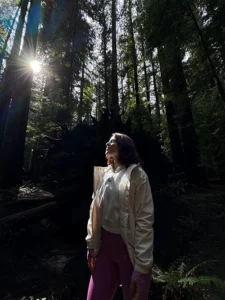
Malo appreciates photography and other visual arts for their power of conveying emotion beyond words. Beyond the sheer aesthetic beauty of the redwoods, this landscape holds a deeper significance for both women.
“We saw a lot of trees that had been struck by lightning, but even though they caught fire, they’d been able to grow back. It was meaningful to be out there with the redwoods after all we’d been through as survivors,” Malo says.
Malo has been diagnosed with Li-Fraumeni syndrome, a rare genetic disorder that increases the risk of developing cancer. While Malo describes living with the syndrome as feeling like a disaster is about to strike at any point, it has also helped her enjoy her life and the beauty that surrounds her more deeply.
“Because of my diagnosis, I feel like I literally stop and smell the roses more often and just slow down and enjoy. I’m more aware of things that are beautiful around me all the time, and I wasn’t like that before,” she says.
“Connecting with one another and ourselves, stress-reduction and finding beauty in life’s smallest moments, is entirely the point of the gallery,” remarks Horse-Grant.
Written by Jodie Nicotra.
Photo Credits: Photographs in this article are credited to Gerald Soff, M.D., Meg Stacker King and Brittany Malo.
Tags: Art is Medicine, Cancer Support Services, food as medicine, living cell therapy, Nutrition, Sylvester Comprehensive Cancer Center, Sylvester Survivorship and Supportive Care Institute

