
Can Back Pain Be Treated Without Surgery? What a Spine Surgeon Wants You to Know
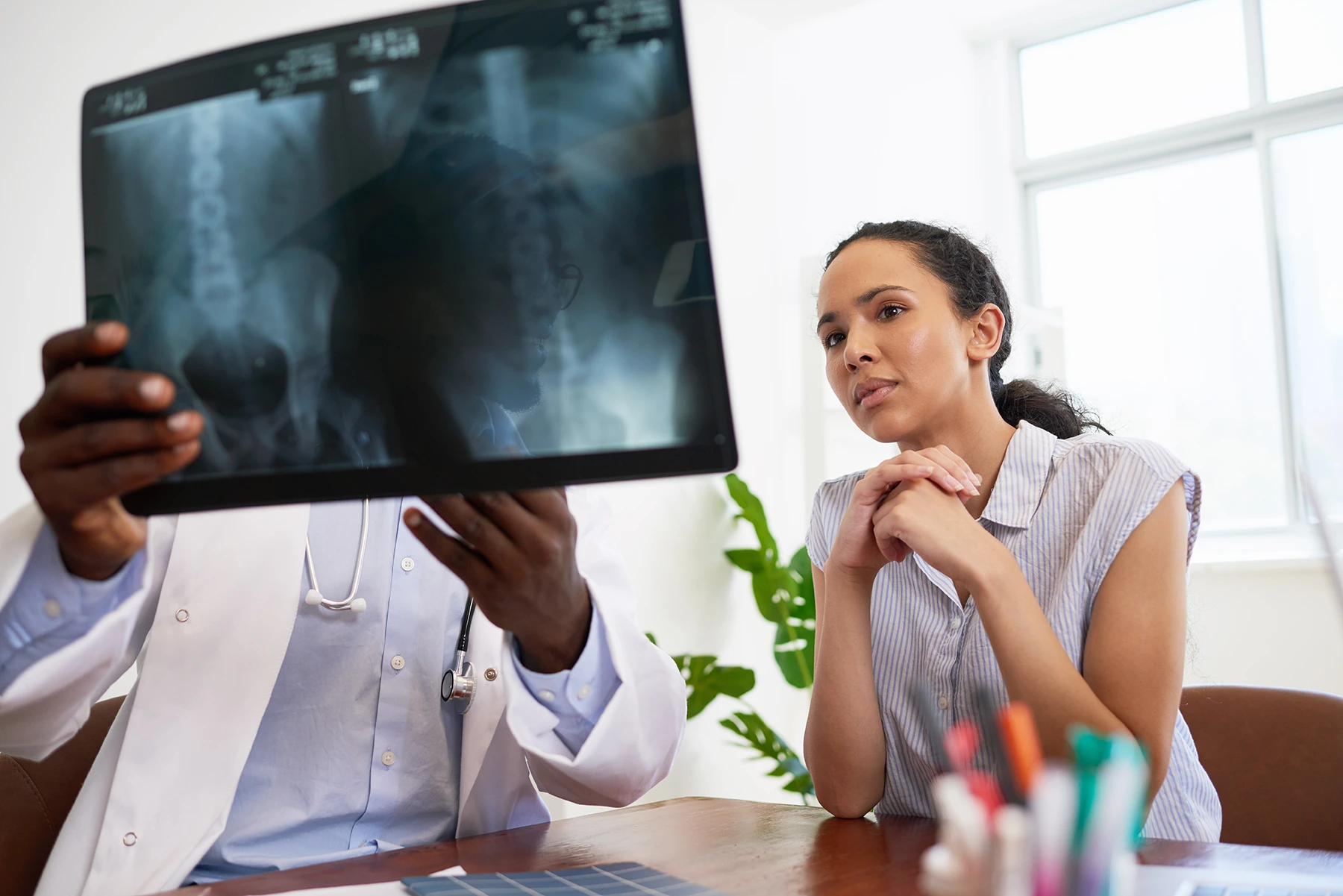
Most people with back pain, sciatica, spinal stenosis, or degenerative disc disease can find relief without surgery. A UHealth spine surgeon explains which nonsurgical treatments are recommended and when surgery may be necessary.
When you’re experiencing back pain or related symptoms like radiating nerve pain or weakness, numbness, or tingling in the legs, you may feel desperate for relief. But, surgery for spinal disorders is not the only solution.
Our team of orthopedic surgical specialists at the University of Miami Health System prioritize nonsurgical approaches for painful conditions, like sciatica, spinal stenosis, and degenerative disc disease, before considering surgical options.
Conservative care comes first.
As a spine surgeon, I want our patients living with back pain to know that nonsurgical treatment is the first step on the road to relief. At UHealth, we prioritize nonsurgical approaches because they often reduce pain, improve our patients’ walking and standing tolerance, and delay or avoid the need for surgery. In most cases, symptoms improve over time without surgical intervention.
There is no single best treatment for everyone with back pain.
The best treatment for sciatica symptoms, for example, depends on what’s irritating the nerve, how long you’ve had symptoms, and whether you’re experiencing weakness. In 80% to 90% of sciatica cases, symptoms improve over time without surgery.
For our patients diagnosed with spinal stenosis, our treatment recommendations are based on where the narrowing in the spine is located, the severity of your symptoms and how long you’ve had them; your age, overall health, and activity level; and how well you respond to non-surgical care.
We’ll take all of these factors into consideration when designing your personalized treatment plan.
Lifestyle changes can reduce back pain flare-ups.
Before considering surgical options, my colleagues and I often recommend lifestyle changes to help patients avoid further irritating spinal nerves, and reduce inflammation and swelling.
Simple adjustments to your day can be helpful. These include:
- avoiding prolonged sitting
- taking frequent standing/walking breaks
- using supportive posture and ergonomics at work and at home
- instead of complete rest, gradually returning to activity
- limiting or avoiding certain activities like repetitive bending, trunk twisting, and heavy lifting
Pain management without habit-forming narcotics
Depending on your health history and level of pain, my colleagues and I may recommend:
- Over-the-counter medicines such as anti-inflammatory drugs like ibuprofen and/or pain relievers like acetaminophen
- Anti-inflammatory creams/ointments
- Prescription medications to reduce pain and inflammation, used for a limited time when needed
- TENS unit (worn externally) to temporarily distract the brain from painful inflammation or nerve pain
- Heat therapy to relax muscle tension and/or cold therapy to reduce inflammation
Physical therapy can help you delay or avoid spine surgery.
When we refer our patients to physical therapy to reduce back and leg pain, my surgical colleagues and I coordinate care with UHealth’s physical therapists. This ensures our patients receive personalized and targeted therapies for optimal results.
UHealth physical therapists can design a program to support your spine and improve movement. Before recommending a new exercise program, our therapists will discuss if you’re experiencing any significant leg weakness, balance problems, or other medical conditions.
Your personalized physical therapy plan may include:
- forward-bending stretches and other flexion-based exercises
- gentle stretching to improve flexibility in the neck, back and hamstrings
- core strengthening (for example, gentle bridges or supported planks) to support the spine
- low-impact aerobic activity, such as walking, stationary cycling, or swimming
- additional exercises to improve posture, balance and body mechanics
Physical therapy for spine conditions may help you:
- restore strength and flexibility after a pain flare
- practice movement patterns that protect the lower back
- gain strength in the core, hips, and legs to support the spine
- improve posture and body mechanics for walking, standing, and lifting
- safely return to work, sports, and daily activities
- build a home exercise program for long-term spine health and symptom management
Interventional treatments can provide symptom relief with no downtime.
If your back pain and related symptoms persist after you’ve tried lifestyle modifications, medications, and physical therapy, we may recommend an image-guided injection prior to considering surgery. These treatments place anti-inflammatory medication near the source of the nerve irritation or muscle inflammation to help reduce swelling and pain, often making it easier for patients to participate in physical therapy and daily activities.
The type of injection we recommend is based on each patient’s diagnosis and the location of their injury or dysfunction. For example, we may administer an epidural steroid injection or other image-guided injections to address spinal stenosis. Before we consider surgery for a patient diagnosed with degenerative disc disease, we may administer spinal injections, epidural injections, or facet injections.
Nerve ablations are another minimally invasive option. This nonsurgical treatment uses heat (radiofrequency), cold (cryoablation), or chemicals to destroy or block specific nerves to stop them from sending pain signals to the brain.
When I recommend spinal injections, I communicate closely with UHealth’s interventional treatment providers. My patients benefit from this multidisciplinary, coordinated effort to relieve their symptoms without surgery.
When is spine surgery necessary?
Surgery is not the first step for most of our patients experiencing back pain and related symptoms. This conservative approach ensures that when we do recommend surgery, we’re confident it will improve the patient’s symptoms, and the potential benefits outweigh the risks.
At UHealth, we consider surgery only if you:
- experience severe leg or back pain despite lifestyle changes and non-surgical care
- develop significant or worsening weakness
- have imaging (MRI or CT scans) that shows a clear structural cause that surgery can address
Written by Joseph P. Gjolaj, M.D., MBA, FACS, FAOA
Spine Surgeon, University of Miami Health System
Specializing in minimally invasive spine surgery, scoliosis, and spinal trauma
Edited by Dana Kantrowitz, a contributing writer for UHealth’s news service.

Tags: alternatives to spine surgery, chronic back pain relief, Dr. Joseph Gjolaj, spine surgeon recommendations

