
He Nearly Gave Up on Leukemia Treatment. Now He’s Back on the Court.
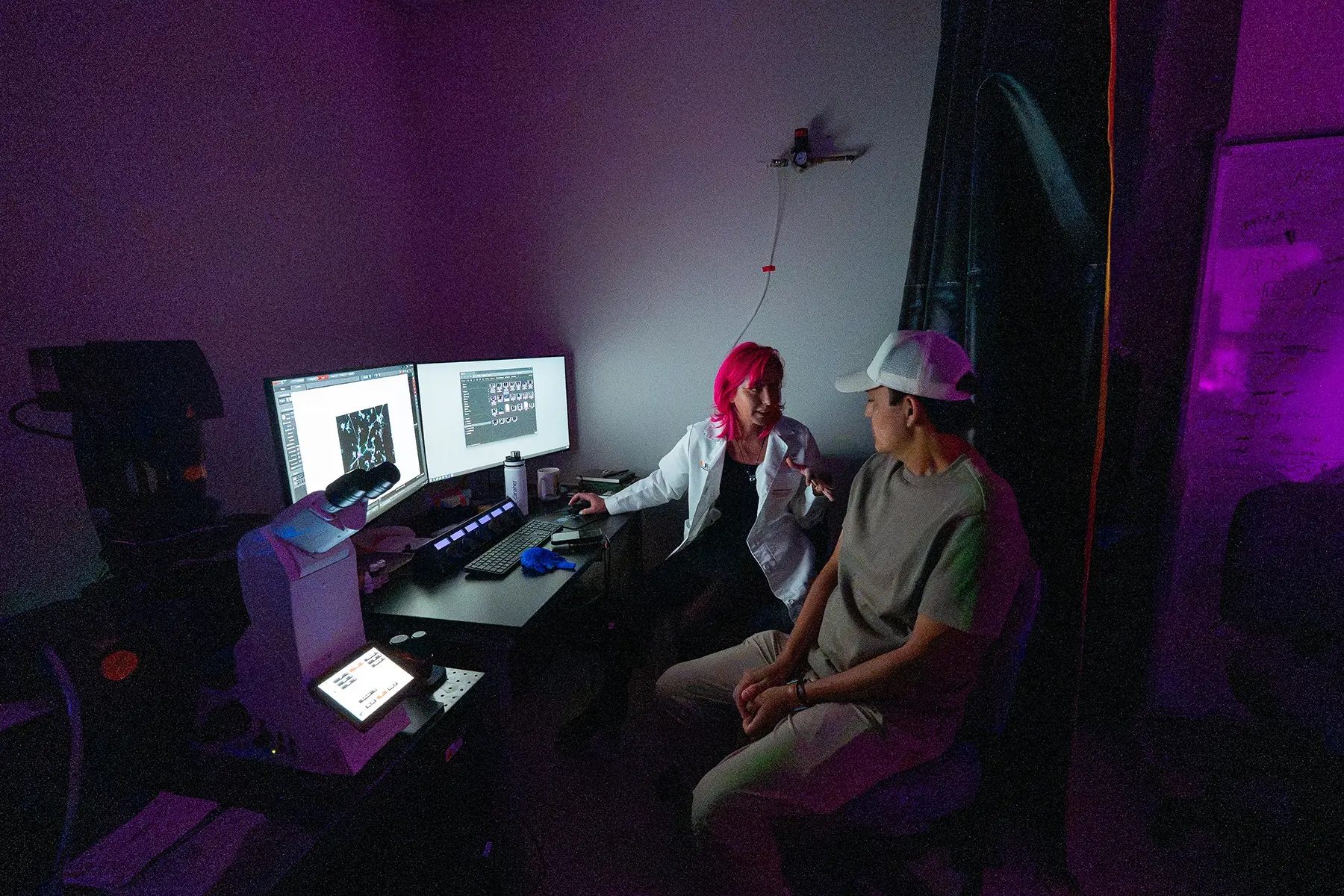
After multiple leukemia relapses, Charlie Moon was ready to stop treatment. Advanced cancer therapies and compassionate care at Sylvester Comprehensive Cancer Center gave him renewed hope — and helped him return to the sport he loves.
When Charlie Moon was diagnosed with leukemia in London on Dec. 28, 2019, the news stunned him. But it wasn’t the cancer diagnosis itself that hit hardest.
“It devastated me when they told me I might never play padel again,” he says. “In one moment, every plan I had from A to Z completely changed.”

For Moon, a lifelong athlete and passionate padel player, the sport had shaped his identity. So when cancer threatened to take away the game he loved, it felt like it was taking away part of who he was.
Over the next five years, he endured a relentless series of battles. He received treatment in multiple countries, experienced repeated relapses, underwent intensive therapies and faced the emotional toll that often accompanies a life-threatening illness. By 2024, after cancer returned yet again, he was exhausted.
So exhausted, in fact, that he decided he was done.
“I initially decided not to receive any more treatment,” Moon says. “I didn’t believe my body was strong enough to go through it again. I felt that I had reached my limit.”
He left Miami for his native Ecuador, determined to spend what he believed would be his final days surrounded by family and familiar places.
Then a text message changed everything.
A friend connected him with specialists at Sylvester Comprehensive Cancer Center, part of the University of Miami Health System. Moon saw the opportunity as a last chance.
“I decided to return to Miami for one final attempt,” he says. “Their belief in me helped me find the courage to believe in life again.”
A difficult road back
By the time Moon arrived at Sylvester, his case was exceptionally complex.
Charlie “came to us in his third relapse, which means he had already received several lines of chemotherapy,” says Sangeetha Venugopal, M.D., M.S., hematologist-oncologist at Sylvester. “By the third relapse, the chances of achieving remission are less than 20%.”
Fortunately, his leukemia expressed a protein called CD22, allowing physicians to use a targeted therapy called inotuzumab ozogamicin. He would later undergo both a bone marrow transplant and CAR T-cell therapy, advanced treatments that have expanded options for patients with relapsed leukemia.
Advances like these are transforming blood cancer care.
“In the past decade, we are gradually moving away from chemotherapy-dominant regimens to precise, immunotherapy-integrated and chemotherapy-free approaches,” Dr. Venugopal says. “CAR T-cell therapies, bispecific antibodies and antibody-drug conjugates have ushered in an era of incremental survival benefit in patients with acute lymphoblastic leukemia.”
But for Moon, the science was only part of the story.
The power of human connection
Having received care in hospitals across Europe and South America, Moon expected medical expertise. What surprised him was something else.
“What I experienced here gave me a lot of confidence,” he says.
During months-long hospital stays, he found encouragement not only from physicians and nurses but from environmental services staff, care coordinators, therapists and fellow patients.
“The human part was my favorite part,” Moon says. “They didn’t simply treat my cancer. They treated me as a human being.”
Small gestures became meaningful. Staff remembered his favorite foods. Nurses celebrated his birthday. Survivors stopped by to offer encouragement. Mental health specialists helped him navigate some of the darkest days of his journey.
Those dark days were real.
When cancer spread to his bones during a later relapse, the pain and treatment side effects became overwhelming. He experienced severe depression and, at times, suicidal thoughts.
“Many people experiencing suicidal thoughts may not truly want their lives to end,” he says. “They desperately want the pain of that particular moment to stop.”
Today, he speaks openly about the importance of mental health and encourages others, particularly men, to seek help when they need it.
“Asking for help is not weakness,” he says. “Expressing fear, pain or sadness can be the first step toward freedom and healing.”
Winning a different kind of match
Moon often compares cancer to competition.
“As an athlete, I learned that pressure is a privilege,” he says. “I approached cancer as the most important match I would ever play.”
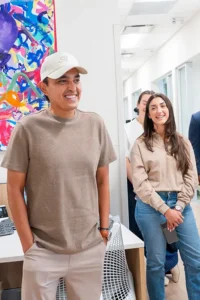
The difference, he says, was that this time he wasn’t competing for a trophy.
He was competing for his life.
Today, nearly a year after being discharged from the hospital following his last transplant, Moon is back on the padel court. As a longtime member of the Reserve Padel community, he developed a close friendship with Reserve Padel founder and CEO Wayne Boich.
Moon recently played in a tournament and lost the match.
But from his perspective, he won.
“If I can walk onto the court by myself, hold a racket and hit a ball, I’ve already won something much greater than any match,” he says. “For me, it’s now impossible to truly lose a match.”
Everyday tasks others might overlook have become victories: waking up free from machines, brushing his teeth, taking a shower, walking without assistance and spending time with loved ones.
“I don’t take anything for granted anymore,” he says. “Being able to move, breathe and live without pain is extraordinary.”
That perspective now fuels his advocacy through the Moonlight Open, a fundraising event created with Reserve Cares to support cancer patients and advance cancer care.
His message to those facing their own diagnosis is simple:
“Don’t give up,” he says. “Take it day by day. Have faith. Focus on the victories you have today, no matter how small they seem. As long as you keep fighting, there’s hope.”
Charlie’s perspective now fuels his advocacy through the Moonlight Open. Created by Reserve Founder and CEO Wayne Boich and the Reserve Cares team as the padel community rallied around Charlie during his treatment, the event has grown into an annual fundraiser supporting leukemia research and patients and families affected by blood cancers. The inaugural Moonlight Open raised nearly $1 million, and its second edition will take place Nov. 6 in support of Sylvester Comprehensive Cancer Center.
Written by staff writer. Reviewed by Sangeetha Venugopal, M.D., M.S.
Tags: acute lymphoblastic leukemia, advanced leukemia treatment, blood cancer treatment, bone marrow transplant, CAR T-cell therapy, leukemia survivor, relapsed leukemia treatment, Sylvester Comprehensive Cancer Center

