
When Cancer Treatment Ends, Support Continues
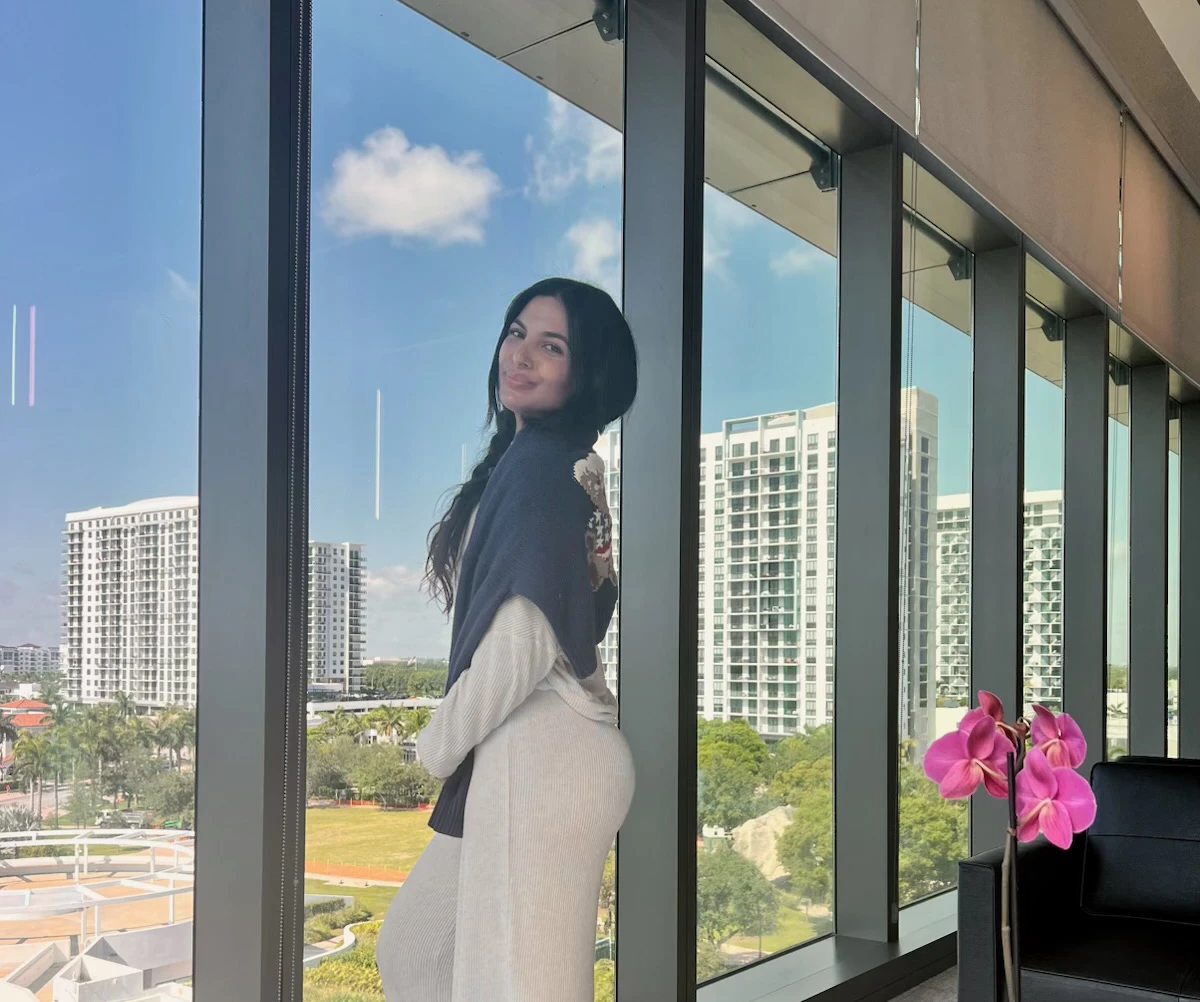
The Sylvester Survivorship and Supportive Care Institute bridges care gaps to improve the lives of cancer survivors.
A cancer diagnosis often comes with the expectation that treatment will be physically and emotionally grueling. What many people don’t anticipate are the lingering challenges that can persist long after treatment ends, including chronic pain, fatigue, feelings of anxiety, fear and depression and other lasting effects that can shape daily life for years.
Addressing those long-term challenges is the focus of the Sylvester Survivorship and Supportive Care Institute (SSCI). Located in the Kenneth C. Griffin Cancer Research Building and across Sylvester’s locations, the institute provides coordinated, multidisciplinary care designed to support healing beyond treatment. SSCI’s approach centers on improving quality of life and fostering resilience among cancer survivors at Sylvester Comprehensive Cancer Center, part of UHealth – University of Miami Health System and the University of Miami Miller School of Medicine.
“The Survivorship Institute sets Sylvester apart from many other cancer centers as it brings together a fully integrated, multidisciplinary approach to care that is holistic, wellness-focused and patient-centered,” says Frank Penedo, Ph.D., associate director for population sciences and director of Sylvester’s SSCI. “It offers care that is backed by science and aligns with standards of care for cancer survivors to support them through the unique challenges of survivorship.”
New-found ground after cancer
For Kristina Ruiz, survivorship brought challenges she didn’t fully anticipate, even with a background in mental health care. As a clinician, Ruiz had long helped patients manage anxiety and depression. But facing ovarian cancer at age 31 gave her a deeply personal understanding of how those emotions can surface after treatment ends.
“During chemo, I was so focused on staying strong and being strong for everyone else that the emotions for me didn’t catch up until afterward,” she says. “It didn’t hit me until the chemo was done, and then everything just slapped me in the face. For the first time, I had to practice all the things I teach and really use those tools on myself.”
As Ruiz transitioned out of active treatment, she began to build new routines that supported her healing. Walking in the fresh air and spending time in nature became grounding practices, while psychosocial care through SSCI helped her work through an unexpected aspect of survivorship: a shifting sense of identity.
“It feels like I keep trying to go home to a place that doesn’t exist anymore,” Ruiz says. “I keep trying to be my old self, but it’s like that old me isn’t there anymore.”
Over time, that sense of loss gave way to a new perspective. Ruiz found that the experience of cancer reshaped how she saw herself in ways she hadn’t expected.
“After going through treatment for cancer, for the first time, I felt like I could actually see myself,” she says. “And for the first time in 32 years, I truly felt beautiful, which was ironic because I didn’t have makeup on, I didn’t have any hair, no cute clothes—none of the things that I previously thought had made me beautiful.”
Looking back, Ruiz emphasizes the importance of connection for those newly diagnosed.
“Community is everything. If you don’t have your family, then join something or be a part of something in whatever hospital you’re in. Because having people around who are loving and understanding and supportive changes the whole trajectory of your recovery and mental health,” she says.
Accepting shifting priorities
Like Ruiz, Leanne Ballard found that surviving cancer required more than physical recovery. Diagnosed at 41 with a rare form of diffuse large B-cell lymphoma, Ballard moved quickly into an aggressive treatment plan that included six rounds of chemotherapy.
“My treatment was so urgent, and it happened so fast that I wasn’t able to process it until I was in it, and then I just freaked out. There was too much to balance between all the roles I had, as well as trying to figure out how to do work,” she says.
As treatment progressed, Ballard sought emotional support both inside and outside the workplace. In addition to working with a workplace therapist, she participated in SSCI-sponsored group therapy for cancer survivors and one-on-one psychosocial counseling.
“My therapists helped me to be aware of and accept what was happening, and to know that it was OK to cry or be emotional and freak out or just shut down,” Ballard says. “The therapy with SSCI focused on learning how to heal and navigate the post-cancer stuff. It really helped me learn a lot about myself and helped reinforce what I was learning about staying true to my boundaries and to myself.”
Ballard’s experience reflects one of SSCI’s central goals: supporting survivors’ journeys as they navigate the emotional and psychological changes that often follow treatment. These changes can affect work, relationships and long-held expectations.
For Ballard, survivorship led to a reassessment of what mattered most.
“I’m mid-career, so before cancer I prioritized my career and didn’t think as much about my health,” she says. “It’s not that I’m not ambitious anymore, but I definitely need to focus on myself and my family more than anything. After what I’ve been through, I never want to go through that again, and I don’t want my family to have to experience it either. There’s no compromise.”
Support for the whole survivorship journey
Together, stories like Ruiz’s and Ballard’s illustrate that survivorship is not a single moment, but an ongoing process that evolves long after treatment ends. Through multidisciplinary care, counseling and community-based support, SSCI helps survivors navigate that process with greater confidence and compassion.
By addressing the physical, emotional and psychological dimensions of life after cancer, the institute is redefining what it means to recover. Survivors are supported not only in living beyond cancer but in moving forward with renewed purpose, resilience and hope.
“Survivorship is about helping patients reclaim their lives after cancer, not just physically, but emotionally and socially as well,” says Dr. Penedo. “Our goal is to ensure that every survivor feels supported, empowered and hopeful as they move into the next chapter of their lives.”
Written by Jodie Nicotra. Reviewed by Frank Penedo, Ph.D.
Tags: cancer recovery, Dr. Frank Penedo, quality of life after cancer, Sylvester Comprehensive Cancer Center, Sylvester Survivorship and Supportive Care Institute

